
Okay, listen up, because I know what you’re thinking: “Cabbage? Really?” But trust me when I say this recipe completely changed how I approach weeknight vegetables. We’ve all had boring, soggy sides, right? Well, those days are over!
This simple, brilliant technique for Charred Cabbage delivers this incredible, smoky depth of flavor with almost zero effort. It’s not roasting, it’s not steaming—it’s pan-frying over high heat until you get those dark, caramelized spots. That deep char is where all the magic happens, turning a humble vegetable into something you actually crave.

I started making this version of Charred Cabbage out of sheer desperation last spring when I needed a fast side dish that wasn’t broccoli. Now, it’s on rotation nearly every Tuesday. It takes barely any time to prep, and the payoff is huge. You need a cast-iron skillet and about fifteen minutes, and you’ve got the best vegetarian side dish in your arsenal.
Why This Simple Charred Cabbage Recipe Works So Well
Honestly, the best things in the kitchen are always the simplest, and this Charred Cabbage proves it every single time. You don’t need a fancy spice rack or hours of slow cooking to get big flavor.
When you heat your pan up properly, the natural sugars in the cabbage start to concentrate and caramelize almost instantly. That contrast between the slightly bitter char and the sweet interior is just fantastic. It makes vegetables feel substantial, not like an afterthought! It’s satisfying, bright, and cooks faster than almost anything else.
Here’s why I swear by this method for weeknights:
- The Prep is ridiculously fast—seriously, five minutes, tops. You just chop and oil it up.
- It’s all about Intense Flavor. That high-heat char pumps out smoky, savory notes you just can’t get steaming it!
- Minimal Ingredients rule the day. You just need the cabbage, oil, salt, and pepper, but if you want to jazz it up later, that’s easy too. You can check out my technique for making roasted cauliflower steaks sometime if you want another easy winner.
Ingredients for Perfect Charred Cabbage
You don’t need a whole pantry raid for this recipe, thank goodness. The ingredient list is short, which means the quality of what you select really matters. For this Charred Cabbage to shine, you only need four things, but I’m going to be very specific about what you grab at the store.
You want to aim for a head of cabbage that feels heavy for its size. Seriously, pick it up! If it feels light, it’s probably dried out already. We are aiming for maximum water content so it steams itself slightly while all those beautiful outer leaves get blackened and crisp.
Here’s exactly what you need for about four servings:
- 1 perfect, firm head of green cabbage
- 2 generous tablespoons of good olive oil – don’t skimp here!
- 1 teaspoon of salt (I like kosher, but use what you have)
- 1/2 teaspoon of freshly cracked black pepper
My biggest tip when you’re selecting the cabbage for this is simple: make sure those outer leaves are vibrant green and tightly wrapped around the center. A loose, floppy head won’t give you the structural integrity needed to hold those beautiful wedges together when they hit that hot cast iron. It just makes the best Charred Cabbage when it’s dense!
Step-by-Step Instructions for Making Charred Cabbage
Alright, this is where the magic happens! Forget fiddly techniques; this method is all about heat management. We’re transforming a simple wedge of cabbage into something smoky and tender in under twenty minutes. Pay special attention to how you cut it, because keeping that core attached is non-negotiable—it acts like a handle and keeps the structure together while everything else softens up beautifully. Don’t worry about the outer leaves getting wild; that’s part of the charm when you make Charred Cabbage!
Preparing the Cabbage Wedges
First things first, you need to cut everything up. Take that firm head of cabbage and slice it right down the middle, from top to bottom, keeping that tough core perfectly intact. Then, slice it in half again so you have four solid wedges. Brush both sides of every wedge generously with your olive oil. Then, sprinkle on that salt and pepper! Be generous with the seasoning because the outer layers will crisp up a bit and need that flavor punch.
Achieving the Deep Sear on Your Charred Cabbage
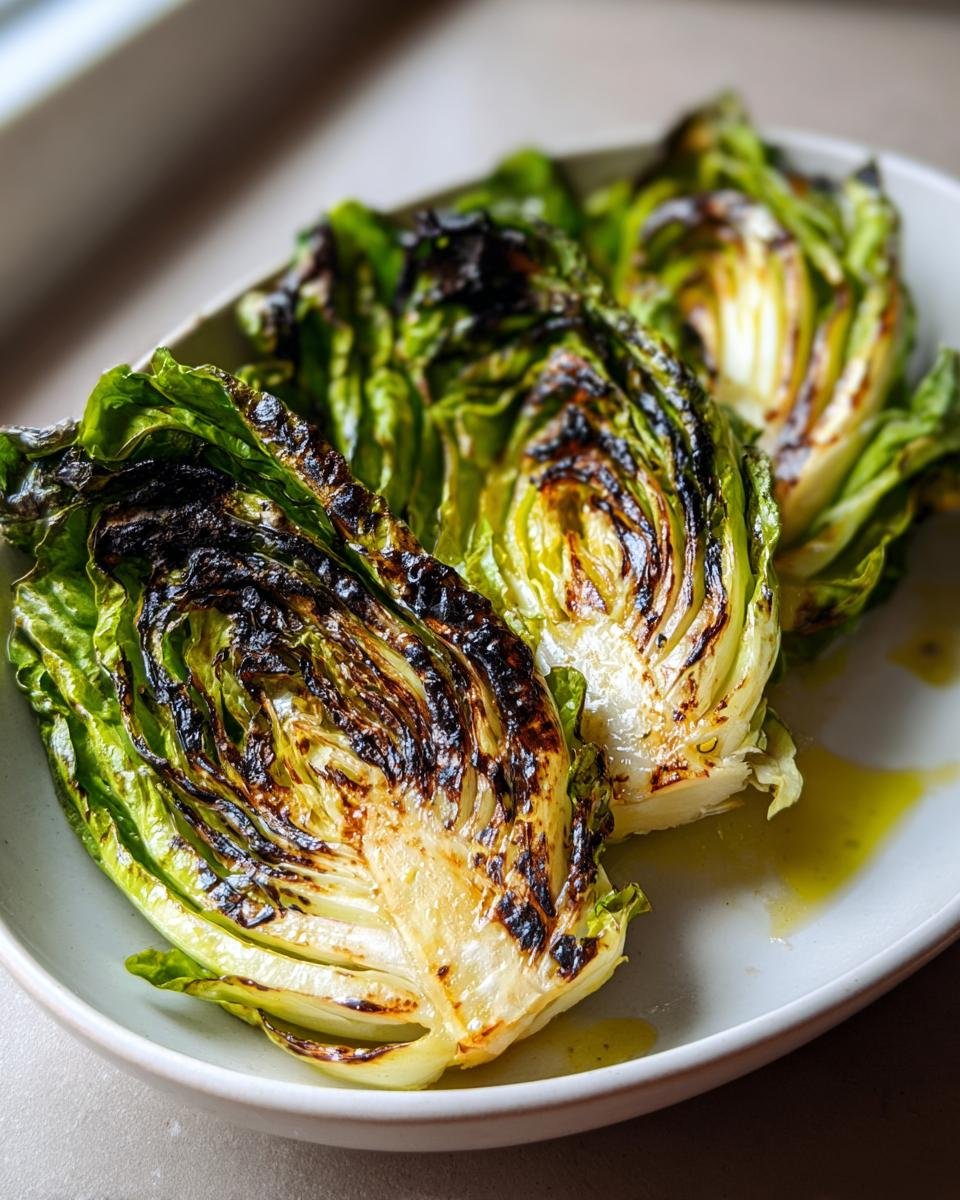
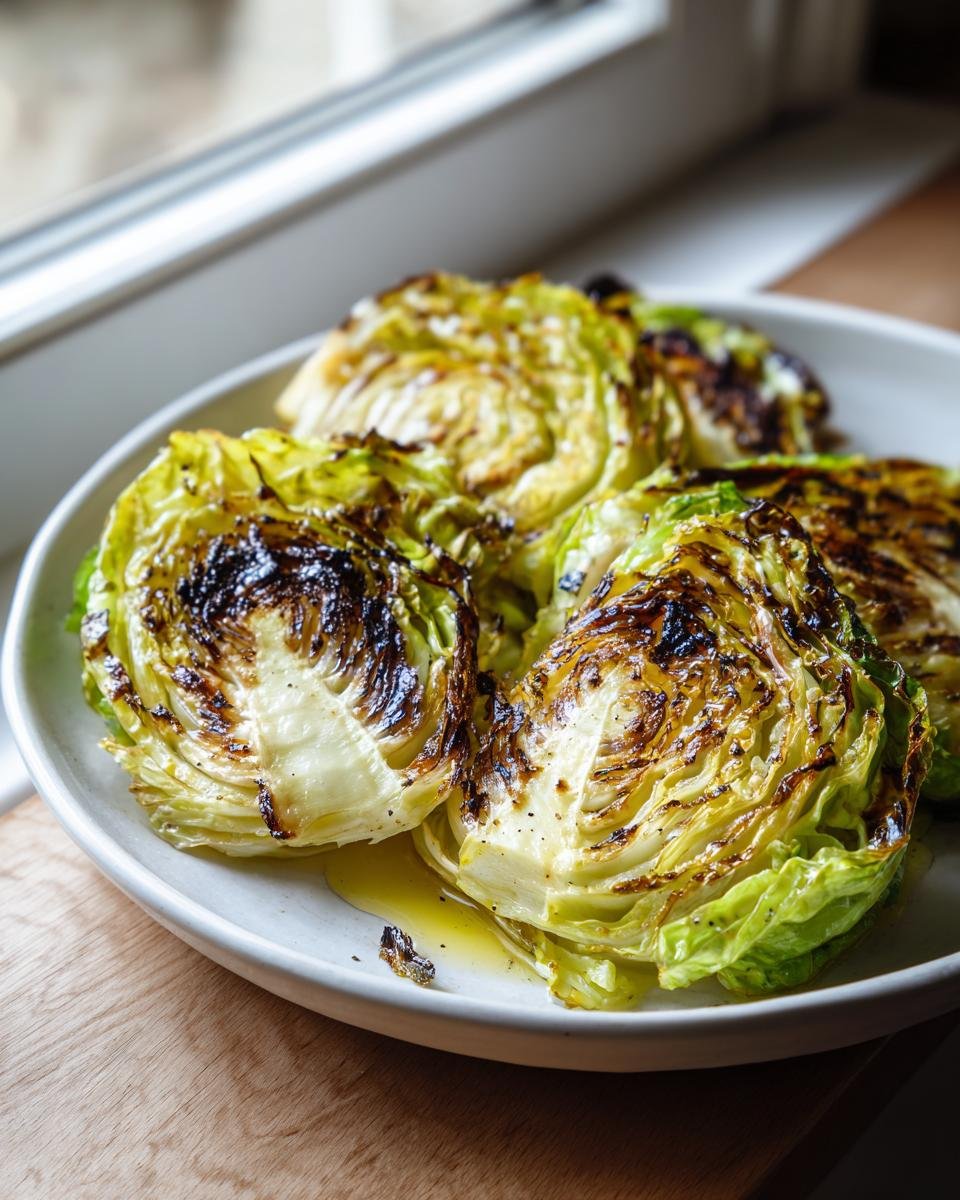
This is the most important part, so listen up: you need your cooking surface screaming hot. I mean cast-iron hot! Put your skillet or grill pan over medium-high heat—maybe even crank it to high for a minute before you start—and let it get nice and hot. You want to see a tiny wisp of smoke just to know it’s ready. Place those wedges cut-side down onto the dry heat. Do not touch them! Seriously, put your hands in your pockets. They need a solid five to seven minutes like this. You are aiming for a deep, dark crust on that cut face. If you overcrowd the pan, the temperature drops, and you end up steaming the cabbage instead of searing it, which ruins the whole point of Charred Cabbage. Cook in batches if you have to—a proper, hard sear is worth the extra step.
Finishing the Charred Cabbage Until Tender
Once that first side is deeply charred—you’ll see those beautiful dark spots—it’s time to flip them over. Use tongs for this, as the cabbage might be a little wobbly now. Cook the other side for another five to seven minutes. This second side doesn’t need to char quite as aggressively; we are using this time to steam the thick insides until they are tender when poked with a fork. Once they yield nicely, pull them off the heat immediately! They’ll continue cooking on the plate for a minute, and we want them served hot and ready to eat. If you want to try something where vegetables steam nicely in a separate pan, check out my recipe for sautéed baby bok choy.
Expert Tips for the Best Charred Cabbage
I’ve made this Charred Cabbage recipe probably fifty times now, and I learned the hard way that one ingredient makes all the difference: HEAT. Seriously, if you try to cook this over medium heat, you’re just going to end up with soggy, steamed cabbage that tastes sad.
I remember the first time I tried cutting corners. I was rushing dinner and didn’t let my Dutch oven preheat long enough—maybe three minutes instead of the five or six needed. Sure enough, the cabbage sat there weeping water onto the pan instead of instantly searing. The result? Zero char, super floppy leaves, and I almost gave up on cabbage forever!
So, my number one expert tip is this: your skillet needs to be ripping hot before the cabbage goes in. Don’t be timid! Once those edges hit the hot surface, you should hear an immediate sizzle—that’s the sound of flavor developing.
Also, resist the urge to check it constantly. If you move those wedges around too soon, you break that crucial crust layer we’re trying to build. You’ll notice that even when I cook roasted asparagus, I prioritize getting the tray hot first. High heat, patience, and a good quality fat are my secrets to success for any simple vegetable side like this amazing Charred Cabbage.
Flavor Variations for Your Charred Cabbage
The beauty of this Charred Cabbage recipe is just how easy it is to dress it up once you’ve mastered the basic char. Once those wedges come off the skillet looking perfect, you can completely change their personality with just a drizzle or a sprinkle. It’s all about playing with contrast!
If you want to lean into a sweeter profile, grab some hot honey—I use a fantastic recipe for hot honey that gives that perfect spicy kick. Drizzle that over the hot cabbage right before serving.
For a completely different vibe, try an Asian-inspired finish. Whisk together a little soy sauce, rice vinegar, and sesame oil, and toss the wedges in that mixture immediately after you pull them from the heat. That saltiness melts right into the caramelized spots! A sprinkle of sesame seeds on top finishes that look perfectly.
Serving Suggestions for Charred Cabbage
Now that you have this spectacular, smoky side dish, the big question is: what do you eat it with? Honestly, since this Charred Cabbage gets so rich from the oil and that deep sear, it pairs unbelievably well with simple, clean proteins. It’s sturdy enough to hold up next to anything! I love serving it alongside roasted chicken or flaky white fish.
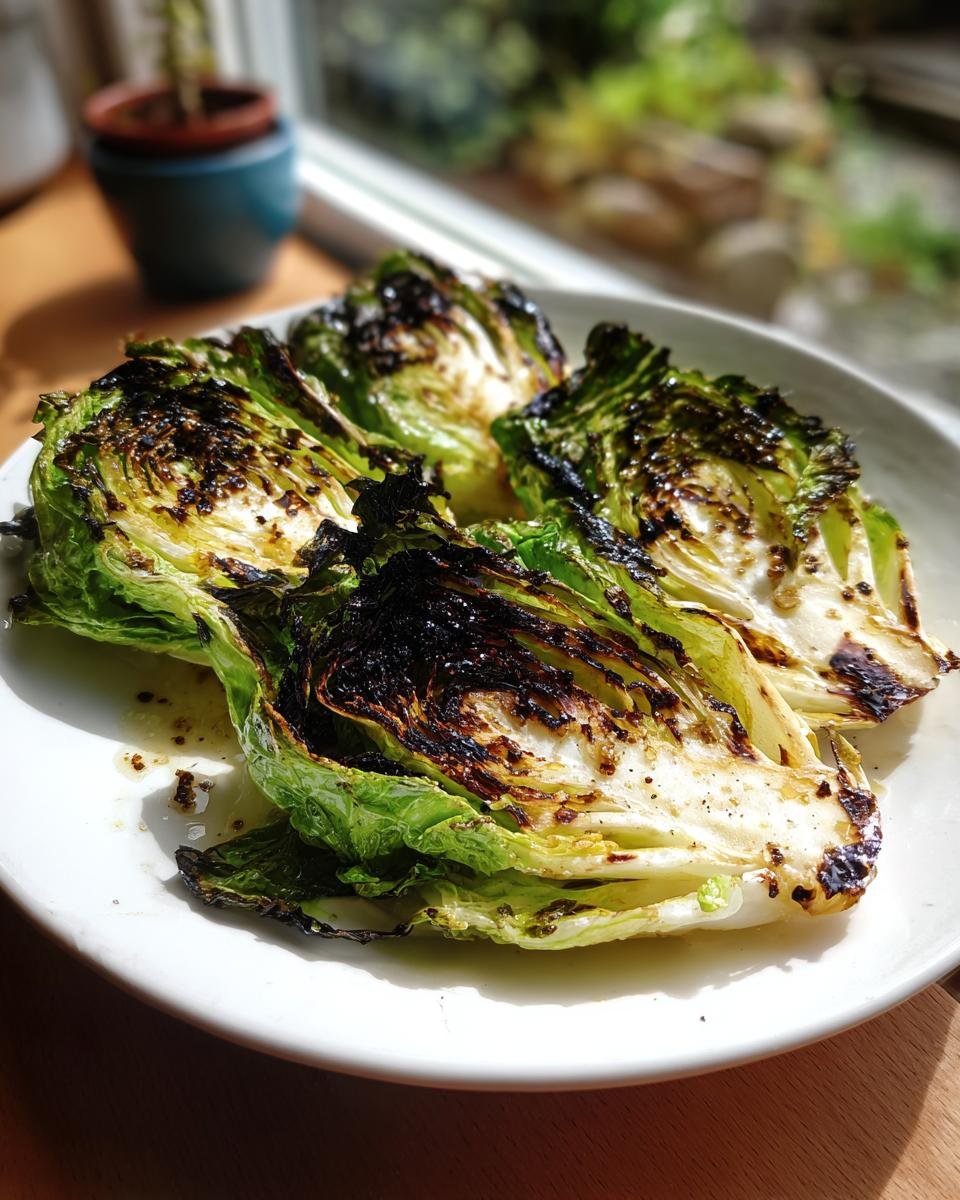
If you’re looking for great main dishes to toss this side with, you absolutely must check out my list of irresistible recipes with ground beef—the smoky cabbage cuts right through the richness of meatloaf or meat patties perfectly.
And don’t forget that little note about lemon juice from the original recipe! Seriously, squeeze fresh lemon juice over everything right before it hits the table. That burst of acidity is the balancing act that makes the whole meal pop. If you want a little heat for the main event, a pinch of red pepper flakes on top of the cabbage works wonders too.
Storing and Reheating Leftover Charred Cabbage
So, the first sign of how truly excellent this Charred Cabbage is? When you realize you have leftovers! Which honestly doesn’t happen often around my house, but when it does, you want to treat those smoky wedges right so they taste almost as amazing the next day. The biggest enemy here is moisture, so we need to manage it carefully when we store and reheat them.
For storage, keep it simple: airtight container is your best friend. I usually let them cool down slightly on the counter just until they aren’t piping hot anymore, and then I seal them up tight in the fridge. They hold up really well for about three to four days. It’s still vegetable matter, so you don’t want to push your luck past that point, even if they smell incredible!
Now, reheating is where people mess up Charred Cabbage. Please, I beg you, ditch the microwave if you can! A microwave heats everything evenly, which means it steams the beautiful char right off those tasty edges, leaving you with lukewarm, soft cabbage. Not the goal!
The best way, hands down, is to use high heat again. Toss the wedges back into that trusty cast-iron skillet—no extra oil needed, unless your pan is looking really dry. Just heat it over medium-high heat until they start to sizzle again. A quick toss for maybe three minutes wakes up the smoky flavors and brings back a little bit of that texture you loved the first night. If you absolutely must use the microwave for speed, then do it in short, 30-second bursts and then give them one final blast in a hot, dry oven for about five minutes just to try and re-crisp those outer leaves.
Frequently Asked Questions About Charred Cabbage
I get so many questions about this simple recipe because people can’t believe how good it is for being so easy! It’s the kind of vegetable side that makes people look twice when you bring it to the table. Here are a few things folks always ask me when they’re trying this Charred Cabbage for the first time.
What is the main difference between Charred Cabbage and Roasted Cabbage?
That’s a great question because the result is related, but the method changes everything! Roasting usually means cooking slowly in an oven, often on a sheet pan with a little space around the vegetables. That gives you an all-over tender edge. With Charred Cabbage, we are focusing on extremely high, direct heat in a skillet. This creates an intense, almost black crust on the flat surfaces while the interior steams itself soft. It’s much faster, and the flavor profile is way smokier and deeper than a standard roast. If you love the idea of high-heat vegetables, you should also try out my recipe for roasted cauliflower steaks!
Can I use different types of cabbage, like Savoy or Red Cabbage?
You sure can experiment! Green cabbage is my go-to because it’s sturdy, holds its shape beautifully during the hard sear, and has a mild, sweet flavor that takes on smoke really well. Savoy is a bit more delicate and frilly, so it might fall apart a bit more once you flip it, but it works! Red cabbage is another great option. Just be aware that red cabbage tends to bleed its color onto everything when it cooks, so your olive oil will turn bright pink almost immediately. The cooking time might also need slight adjusting depending on how tightly packed the head is.
My cabbage isn’t getting dark spots; what am I doing wrong?
If you aren’t getting that signature char, I can tell you exactly what’s happening: your pan isn’t hot enough! I cannot stress this enough for successful Charred Cabbage—your cast iron needs to be screaming hot before those wedges ever touch it. If you hear a gentle sizzle instead of a loud, immediate hiss when the cabbage makes contact, pull it off and wait until the pan heats up more. You need that immediate, intense surface contact for that beautiful caramelization to happen.
Can I prepare the wedges ahead of time?
You can certainly cut the wedges ahead of time! I sometimes do this the night before and store the wedges—cut-side up in a container—in the fridge. However, you should wait to oil and season them until just before they go into the pan. Oil softens the cabbage structure a bit, and we need that raw, crisp structure to hold up to the initial high blast of heat. It keeps your prep time down right before dinner, which is always a win in my book!
Nutritional Snapshot of Charred Cabbage
I always get asked about the nutrition breakdown because this is such a fantastic, simple vegetable side dish that’s naturally low in almost everything we watch out for! Since we are only using olive oil as our primary fat and relying on salt and pepper, the numbers come out really great.
Keep in mind these are estimates based on one wedge per serving, using the exact proportions listed in the recipe, but it gives you a good idea of how healthy this is. You can see that it’s naturally low in sugar and packed with fiber—that’s the cabbage doing its job!
Here’s the general breakdown:
- Serving Size: 1 wedge
- Calories: 100
- Fat: 7g (mostly unsaturated from the olive oil)
- Carbohydrates: 9g
- Protein: 2g
- Sugar: 4g (mostly natural sugars from the vegetable itself)
Not too shabby for something that tastes this good! Remember, since seasonings vary a lot, the sodium number can jump up if you are super heavy-handed with the salt, so try to stick close to the recommended amount!
Nutritional Snapshot of Charred Cabbage
I always get asked about the nutrition breakdown because this is such a fantastic, simple vegetable side dish that’s naturally low in almost everything we watch out for! Since we are only using olive oil as our primary fat and relying on salt and pepper, the numbers come out really great.
Keep in mind these are estimates based on one wedge per serving, using the exact proportions listed in the recipe, but it gives you a good idea of how healthy this is. You can see that it’s naturally low in sugar and packed with fiber—that’s the cabbage doing its job!
Here’s the general breakdown:
- Serving Size: 1 wedge
- Calories: 100
- Fat: 7g (mostly unsaturated from the olive oil)
- Carbohydrates: 9g
- Protein: 2g
- Sugar: 4g (mostly natural sugars from the vegetable itself)
Not too shabby for something that tastes this good! Remember, since seasonings vary a lot, the sodium number can jump up if you are super heavy-handed with the salt, so try to stick close to the recommended amount!
Print
Simple Charred Cabbage
- Total Time: 19 min
- Yield: 4 servings 1x
- Diet: Vegetarian
Description
A straightforward recipe for cooking cabbage until it develops a smoky, charred exterior.
Ingredients
- 1 head green cabbage
- 2 tablespoons olive oil
- 1 teaspoon salt
- 1/2 teaspoon black pepper
Instructions
- Cut the cabbage head into four equal wedges, keeping the core intact to hold the wedges together.
- Brush both sides of each cabbage wedge generously with olive oil.
- Sprinkle salt and pepper evenly over all surfaces of the cabbage.
- Heat a large cast-iron skillet or grill pan over medium-high heat until hot.
- Place the cabbage wedges cut-side down onto the hot pan.
- Cook for 5 to 7 minutes without moving until the cut surfaces are deeply charred.
- Flip the wedges and cook for another 5 to 7 minutes until the outer leaves are tender.
- Remove from heat and serve immediately.
Notes
- You can squeeze fresh lemon juice over the finished cabbage for brightness.
- A sprinkle of red pepper flakes adds mild heat.
- Prep Time: 5 min
- Cook Time: 14 min
- Category: Side Dish
- Method: Pan-Frying
- Cuisine: American
Nutrition
- Serving Size: 1 wedge
- Calories: 100
- Sugar: 4
- Sodium: 300
- Fat: 7
- Saturated Fat: 1
- Unsaturated Fat: 6
- Trans Fat: 0
- Carbohydrates: 9
- Fiber: 3
- Protein: 2
- Cholesterol: 0
Keywords: charred cabbage, pan-fried cabbage, simple vegetable side, grilled cabbage