
Oh my goodness, is there anything better than that deep, smoky flavor you only get from cooking meat low and slow over charcoal? Nothing beats it! For years, I was terrified of grilling large cuts of meat. I mean, I burned hotdogs regularly! My first attempt at barbecue pork ended up drier than jerky. Total disaster. But I kept practicing because that smoky taste is just addictive. Trust me when I say that learning how to cook the perfect Grilled Pork Roast completely changed my grilling game. This recipe isn’t some complicated pitmaster secret; it’s actually designed to be incredibly straightforward. If you’re looking for an easy route to smoky, tender barbecue perfection, you’ve found your new favorite playbook.
Why This Grilled Pork Roast Recipe Delivers Flavor and Ease
This straightforward recipe is all about patience, not fancy techniques. We’re keeping things minimal so the quality of that pork shoulder shines through. It’s honestly the easiest way I know to get competition-level tenderness right on your backyard grill. You don’t need to spend hours messing with elaborate wet rubs, because this method focuses on using the grill itself as the powerhouse flavor maker.
- The low-and-slow pace ensures the connective tissue melts beautifully, giving you meat so tender you barely need a knife.
- We rely on time and steady heat, not tons of extra ingredients, to build that amazing crust and smoky depth.
- The simple spice blend is classic for a reason—it seasons the meat perfectly without covering up that wonderful flavor you paid for. If you want even more flavor boosters for your grilling adventures, check out my tips on flavorful chicken marinades!
Perfect Low-and-Slow Temperature Control
The key here is fighting the urge to crank up the heat! We need indirect heat—around 275 to 300 degrees Fahrenheit—for several hours. This gentle cooking melts down all that tough connective tissue in the pork shoulder. It ensures that when we hit that target internal temperature of 195 degrees, the roast is falling apart tender, not tough.
Simple, Classic Spice Rub for Maximum Taste
Forget those complicated brines! For this Grilled Pork Roast, the seasoning is purposefully minimal. We’re using salt, pepper, paprika, and thyme. This combination enhances the natural savoriness of the pork. It forms a fantastic crust on the outside while making sure the inside stays purely pork-flavored, not overwhelmed by competing spices.
Essential Components for Your Grilled Pork Roast
Okay, let’s talk about what you need to have on hand because success starts at the prep stage. I know some recipe blogs just list things vaguely, but for barbecue success, precision matters, especially with cheaper cuts like pork shoulder. Getting the right amount of salt on there is critical!
You’ll need just a handful of pantry staples and, obviously, a great piece of pork. When you shop, make sure you look for a pork shoulder roast that weighs roughly three pounds. That size is perfect for getting that beautiful low-and-slow cook time without feeling like you’re feeding an army.
Ingredient Clarity and Preparation
Here is the complete shopping list. Don’t eyeball the measurements; this rub needs to be perfectly balanced! Grab these items, and you are halfway to the best Grilled Pork Roast you’ve ever made:
- 3 lb pork shoulder roast
- 2 tablespoons olive oil
- 1 tablespoon salt
- 1 teaspoon black pepper
- 1 teaspoon garlic powder
- 1 teaspoon paprika
- 1/2 teaspoon dried thyme
Seriously, weigh that salt! A simple, honest rub like this works because we aren’t hiding anything. The quality of the ingredients, especially that shoulder, does all the heavy lifting here.
Step-by-Step Instructions for a Flawless Grilled Pork Roast
This is where the magic happens—or where you can mess things up if you rush, so slow down! Trust me, the result is worth the wait. Once you get the hang of indirect grilling, you won’t go back to indoor oven roasting. It’s just too flavorful out here!
Preparing the Pork and Spice Rub
First thing’s first: Get that roast bone dry! Grab a stack of paper towels and blot every single surface of that pork shoulder until it feels almost tacky. This step is non-negotiable if you want a decent crust! Now, whisk together all your spices—that salt, pepper, thyme, garlic, and paprika—in a small bowl. Drizzle the olive oil all over the roast; it acts as the glue. Then, come in with your spice mix, pressing it firmly but gently into every crevice. You want it to stick, not just fall off!

Mastering the Indirect Heat Technique for Grilled Pork Roast
Time to fire up the grill, but we’re not using direct heat! Set your coals up on one side, or if you have a gas grill, light only half the burners. We are aiming for a gentle temperature, right around 275 to 300 degrees Fahrenheit. Place that beautifully seasoned roast on the cool side—this is indirect heat, essential for slow cooking. If you’re nervous about drying out, here is my big tip: place a metal pan filled with water on the heat side of the grill while it cooks. That steam keeps the environment humid!
Close the lid and let the grill do the work. This is going to take a while, maybe 3.5 to 4 hours, but you cannot cheat this process. You must rely on your instant-read meat thermometer. We aren’t pulling this roast off until it hits 195 degrees Fahrenheit. That’s the golden ticket for perfect tenderness!
The Crucial Resting Period for Your Grilled Pork Roast
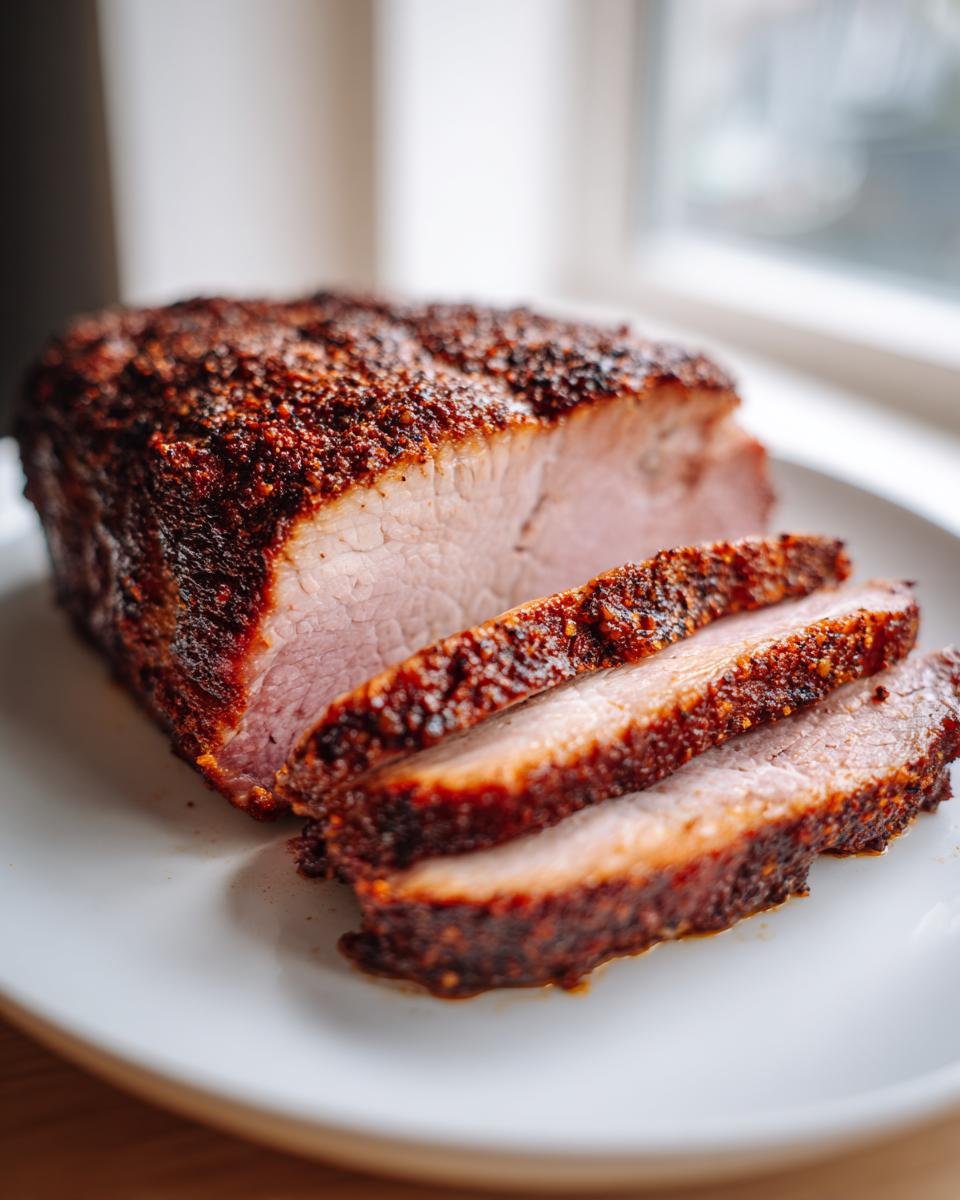
Once you pull that beautiful roast off the heat at 195°F—take a peek at my guide on slow cooker meatloaf for tips on internal readings if you need a refresher!—you must cover it loosely with foil and let it sit for a full 15 minutes. Seriously, don’t slice it immediately! If you do, all those wonderful juices you worked so hard to develop will run right out onto your cutting board. Resting lets those juices redistribute back into the fibers, guaranteeing that every slice or shred is juicy heaven.
Expert Tips for the Best Ever Grilled Pork Roast
Even with a simple recipe like this, the details make the difference between a good Grilled Pork Roast and one you brag about for weeks. Since we’re relying on the grill for hours, temperature consistency is your absolute best friend. Also, let’s talk about what exactly you bought at the butcher counter!
For slow cooking, you really want a Boston Butt, which is technically the upper part of the pork shoulder. It’s got a ton of fat and connective tissue that renders down perfectly over those 4 hours. The other half, the Picnic Roast, is cheaper but a bit tougher, so the Butt is worth seeking out if you can find it.
Grill Temperature Consistency
If your grill temperature fluctuates wildly, you’ll end up with uneven cooking. Keep that lid closed and check your dome thermometer every 30 minutes, adjusting your vents slowly. A major temperature swing just ruins that gentle rendering process we need so badly.
Checking Doneness Accurately
Don’t just trust the clock—please don’t! Time is just a guideline when you’re slow grilling. Your Grilled Pork Roast might take 3.5 hours or 4.5 hours, depending on how hot your burners are running. You absolutely must use a reliable, instant-read meat thermometer inserted into the thickest part without hitting bone. That 195°F reading is the only way to guarantee your pork is perfectly done.
Serving Suggestions for Your Grilled Pork Roast
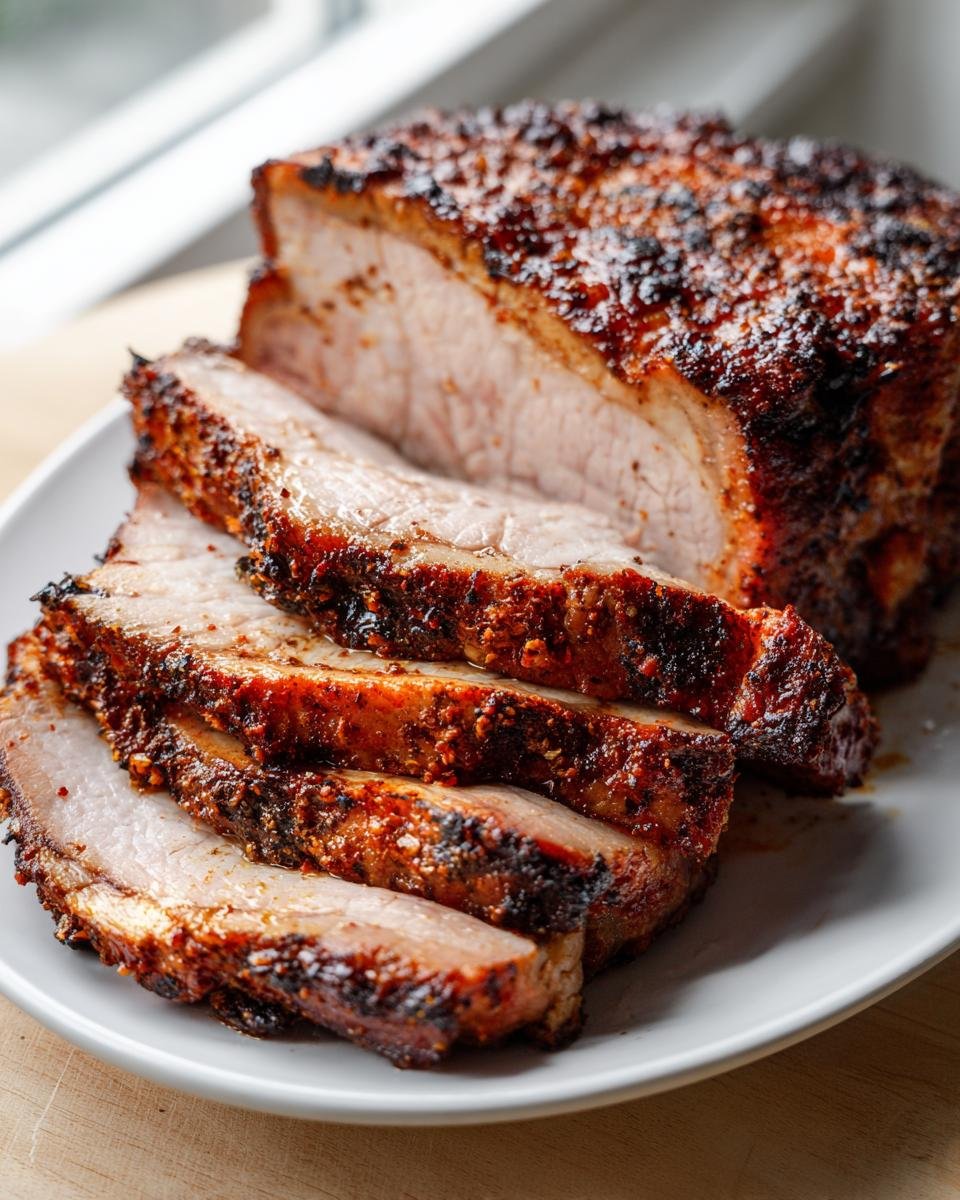
Okay, you’ve pulled that gorgeous, smoky roast off the grill, and now you need the perfect supporting cast! You can’t just eat this meaty goodness standing over the sink, even though I absolutely have done that. You need sides that can stand up to that rich flavor.
My family always loves having something tangy and something green alongside sharp roast pork. Think about balancing that smokiness! A slightly warm, vinegary potato salad is always a winner—we use my recipe for flavorful warm German potato salad, which cuts right through the richness.
If you’re looking for something easier, just toss some carrots, Brussels sprouts, and onions with olive oil and roast them up until they are tender and browned. Simple roasted vegetables are the best partners for this kind of barbecue. They soak up all those delicious pork drippings perfectly!
Storage and Reheating Instructions for Leftover Grilled Pork Roast
Nobody wants dry pork the next day, right? When you inevitably have leftovers from that massive Grilled Pork Roast, you need to treat them right. Store any extra shredded or sliced pork in a really tight, airtight container as soon as it cools down a bit. You should be able to keep it safely in the fridge for about three or maybe four days—any longer and you risk losing that great flavor.
When it’s time to reheat, please don’t microwave it plain! That’s a one-way ticket to tough meat town. I always take a small amount and put it in a saucepan with just a thin splash of broth or even water. Heat it on medium-low, covered, until it’s warmed through. That little bit of liquid steams the pork as it heats, keeping your leftovers juicy and reminding you of how good it was fresh off the grill!
Variations on the Simple Grilled Pork Roast Rub
You know, even though I stand by our basic salt, pepper, and thyme rub, sometimes you just need to shake things up a little! This method is so forgiving that you can experiment with the surface seasoning without fear. It’s perfect for when you want to pivot that plain roast into something slightly different for leftovers the next night.
If you want to caramelize the outside a tiny bit more—which is always a treat—try substituting one teaspoon of that regular salt for a tablespoon of dark brown sugar in the rub. Just be careful when you grill it; sugar burns faster than salt during that long cook time, so keep an eye on the temperature!
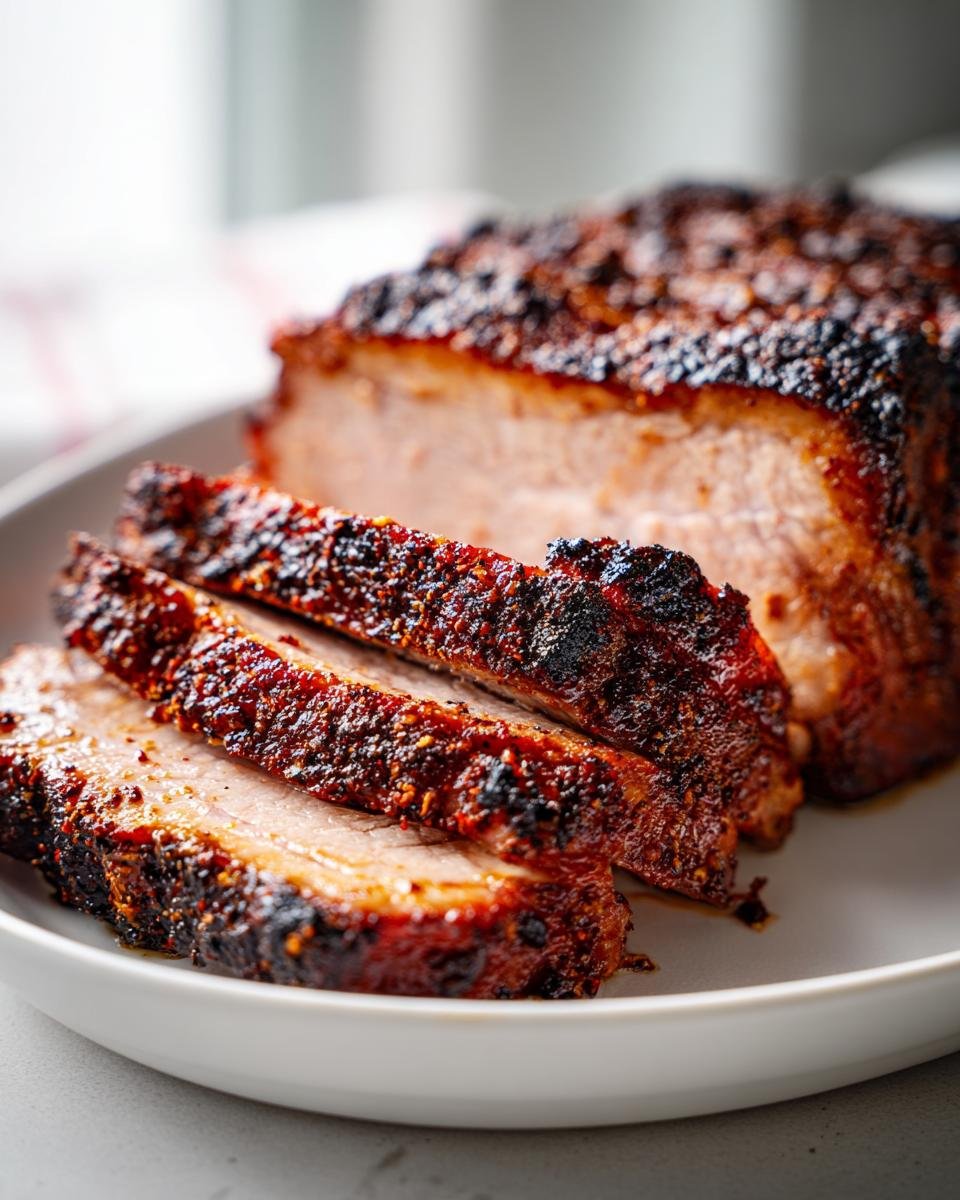
Another fun swap is using smoked paprika instead of regular paprika if you really want to double down on that barbecue flavor. Or, if you want something a little punchy, add just a tiny pinch of cayenne pepper. For the ultimate flavor blast later in the week, you can dump the leftovers into a pot and stir in the amazing flavors from my irresistible honey BBQ sauce. It takes seconds!
Frequently Asked Questions About Grilling Pork Roast
Can I use a different cut of pork for this Grilled Pork Roast?
You absolutely could, but I really wouldn’t recommend it for this recipe! Pork shoulder, which is what we call Boston Butt, is perfect because of all that fat and connective tissue. That tissue needs hours of slow grilling to break down into juicy gelatin. If you just used a leaner loin, for example, it would dry out long before it hit the temperature we need for a tender Grilled Pork Roast. Stick to shoulder or butt for the best slow grilling results!
What is the best internal temperature for shreddable pork?
This is a great question that trips up a lot of people! While pork is technically safe to eat much earlier, if you want that fall-apart, shreddable texture, you absolutely need to push past the standard safety temperature. We aim for 195 degrees Fahrenheit. At that point, the connective tissue has completely melted. Pulling it at 160°F will give you meat that’s safe but still tough to pull apart.
How do I prevent flare-ups during the long cook time?
Flare-ups are the enemy of low-and-slow cooking! They cause charring and soot, which we absolutely don’t want on a beautiful Grilled Pork Roast cooked for hours. The main way we prevent this is by using the indirect heat setup we discussed. If your fat drips, it should fall onto the unlit side of the grill. If you notice a small flare-up on a gas grill, just shut off that burner temporarily until things calm down!
Nutritional Snapshot for This Recipe
I always feel a little sneaky sharing this part because honestly, when I’m pulling barbecue perfection off the grill, I’m not thinking about the macros! It’s comfort food, plain and simple. However, because this recipe focuses on a simple rub versus a heavy, sugary sauce, it actually comes out pretty lean, which is a nice bonus!
You’ll want to remember that these numbers are just estimates based on the ingredients listed and how the recipe is proportioned. When you’re cooking with smoke and spices, things can shift a little, but it gives you a great baseline for tracking your meal.
Here is the breakdown based on a standard 4 oz serving of cooked meat:
- Calories: 350
- Protein: 38g (That’s fantastic fuel!)
- Fat: 20g (Most of this comes right from the pork shoulder itself)
- Saturated Fat: 7g
- Sodium: 450mg (Remember, we added 1 tablespoon of salt for the entire roast, so this factors in well!)
- Sugar: 0g (Yes, zero sugar in the meat itself—no hidden syrups here!)
- Carbohydrates: 0g
See? All that flavor we developed through hours of smoking and seasoning, and we still managed to keep the sugar count at absolute zero. Isn’t that just the best part about cooking your own Grilled Pork Roast? You control exactly what goes into nourishing your body!
Print
Simple Grilled Pork Roast
- Total Time: 4 hours 10 min
- Yield: 6 servings 1x
- Diet: Low Fat
Description
A straightforward recipe for cooking a pork roast on the grill.
Ingredients
- 3 lb pork shoulder roast
- 2 tablespoons olive oil
- 1 tablespoon salt
- 1 teaspoon black pepper
- 1 teaspoon garlic powder
- 1 teaspoon paprika
- 1/2 teaspoon dried thyme
Instructions
- Pat the pork roast dry with paper towels.
- In a small bowl, mix the salt, pepper, garlic powder, paprika, and thyme.
- Rub the olive oil over the entire surface of the pork roast.
- Sprinkle the spice mixture evenly over the roast, pressing it gently to adhere.
- Preheat your grill to a medium-low heat, around 275 to 300 degrees Fahrenheit.
- Place the roast on the cooler side of the grill (indirect heat).
- Close the grill lid and cook for 3 to 4 hours, or until an internal temperature of 195 degrees Fahrenheit is reached.
- Remove the roast from the grill and let it rest, loosely covered with foil, for 15 minutes before slicing or shredding.
Notes
- Use a meat thermometer to check for the correct internal temperature.
- For extra moisture, you can place a pan of water on the grill grate opposite the roast.
- Prep Time: 10 min
- Cook Time: 4 hours
- Category: Main Course
- Method: Grilling
- Cuisine: American
Nutrition
- Serving Size: 4 oz cooked
- Calories: 350
- Sugar: 0
- Sodium: 450
- Fat: 20
- Saturated Fat: 7
- Unsaturated Fat: 13
- Trans Fat: 0
- Carbohydrates: 0
- Fiber: 0
- Protein: 38
- Cholesterol: 100
Keywords: grilled pork roast, pork shoulder, barbecue pork, slow grilled pork, easy pork roast