
Oh my gosh, if there is one meal that separates the novice cook from the kitchen hero, it’s the Whole Roasted Chicken. I remember my first attempt; the skin was pale and flabby, and the breast meat tasted like sad, dry cardboard. I thought I’d never get that gorgeous, crackly skin and meat that just falls off the bone, but trust me, that triumph is yours for the taking! This isn’t just another recipe; this is *the* definitive, foolproof guide to making the most perfect whole roasted chicken you’ve ever tasted. We nail the seasoning, the temperature, and most importantly, that magical resting time. Get ready to amaze everyone!
Why This Whole Roasted Chicken Recipe Works So Well
If you’ve been intimidated by roasting a whole bird, stop right now! This recipe makes achieving that picture-perfect dinner easier than you think. We ditch complicated marinades and focus on core techniques that absolutely guarantee success every single time. It’s honestly the simplest way to create an impressive centerpiece.
Here’s what makes this recipe your new go-to for an easy chicken dinner:
- The skin comes out shatteringly crisp—no soggy mess here, I promise!
- The breast stays unbelievably juicy while achieving perfectly cooked thighs.
- We keep the ingredient list short, so you don’t need a million things from the spice cabinet.
Key Features of Our Whole Roasted Chicken
The magic truly lies in preparation. First, you’ve got to pat it dry—I mean *really* dry—to help that olive oil and paprika mixture adhere perfectly. Then, using lemon and rosemary inside the cavity adds steam and flavor from the inside out. But the killer step? Letting it rest for 10 minutes afterwards. That lets all those juices redistribute instead of running out onto your cutting board. If you want more ideas for flavor boosting, check out my thoughts on flavorful chicken marinades, though honestly, for this roast, simplicity wins!

Ingredients Needed for the Best Whole Roasted Chicken
Look, you don’t need fancy rubs or overnight brines for a fantastic roast chicken. I like keeping it extremely honest here. When you start with great basic ingredients, you get amazing results, period. The spice mix is simple, but it hits every note—garlic, paprika for color, and good salt. Remember, if you ever have extra fresh herbs lying around, you can try my trick for when I freeze fresh herbs in olive oil for later use!
Here is exactly what you need to gather before you even preheat the oven. Don’t skip the quality of the bird itself; aim for about 4 pounds for even cooking:
- 1 whole chicken (approximately 4 pounds)
- 2 tablespoons olive oil
- 1 teaspoon salt
- 1/2 teaspoon black pepper
- 1 teaspoon paprika
- 1/2 teaspoon garlic powder
- 1 lemon, halved
- 4 sprigs fresh rosemary
Essential Equipment for Roasting Your Whole Roasted Chicken
Okay, so we have the ingredients ready, but let’s talk tools. You don’t need a commercial kitchen to nail this whole roasted chicken, but there are a few things you absolutely shouldn’t skip if you want that perfect outcome. Having the right gear makes the process smooth, fast, and honestly, more enjoyable.
Think of this as your bare-bones shopping list for roasting glory. I always pull these items out way before I start prepping the bird, because once that spice rub is mixed, we move fast!
- A sturdy roasting pan. You need something deep enough to catch all those amazing drippings without spilling over when you move it in and out of the oven.
- A small bowl. This is just for mixing up that glorious spice paste—don’t try mixing it directly on the chicken skin, it gets messy!
- Kitchen twine. This is optional, but tying the legs together, or trussing, helps the chicken cook more evenly and just looks professional when you pull it out.
- And the most non-negotiable item: a reliable meat thermometer. Seriously, don’t guess! We are aiming for 165 degrees Fahrenheit in the thigh, and that thermometer is the only tool that tells you the absolute truth about your roast chicken.
Step-by-Step Instructions for a Perfect Whole Roasted Chicken
Alright, buckle up! This is where the magic happens, but we need to follow a sequence. I hate soggy chicken so much that I will personally come to your house and monitor the drying process—it’s that important! Getting the steps right here separates a good roast chicken from a legendary one. Pay close attention to preheating first, because we want that oven screaming hot when the bird goes in.
We’ll use a clear order here, just like my method for a great steak, which you can see here, by the way. Temperature control is everything!
- First things first: Preheat your oven to a blazing 425 degrees Fahrenheit (that’s 220 degrees Celsius). Don’t wait until you’re ready to roast; give it plenty of time to get hot!
- Next, pull out any giblets hiding inside that cavity—ditch those, or save them for stock if you’re ambitious. Now, grab your paper towels. You have to pat the chicken aggressively dry, inside and out. I mean it! If it’s damp, the skin will steam, and we want crunch!
- While that’s drying, quickly mix up our simple rub in a small bowl: olive oil, salt, pepper, paprika, and garlic powder. Sniff it! Smells great already, right?
- Take that gorgeous spice paste and rub it everywhere on the skin. Seriously, don’t miss a spot underneath the wings.
- Now for the flavor bomb! Halve your lemon and stuff those two halves right into the cavity, along with those four lovely sprigs of fresh rosemary.
- If you want a tidy bird while it cooks, use some kitchen twine to tie the legs together. It’s optional, but it makes for a prettier final product.
- Get the chicken breast-side up into your roasting pan. Pro tip here: If you want maximum crispiness, set the chicken on a wire rack inside the pan instead of directly on the bottom! This lets air circulate underneath.
- Time to roast! Pop it into that screaming hot oven for about 1 hour and 15 minutes to 1 hour and 30 minutes. The only true way to know it’s done is to check with a meat thermometer in the thickest part of the thigh. It must read 165 degrees Fahrenheit (74 degrees Celsius). No cheating!
- When it hits that temperature, pull it out right away. Now, this is the hardest part: You must let it rest for 10 minutes before carving. If you cut it sooner, all that beautiful juice you worked so hard to keep inside just rushes out. Be patient!
Preparing the Chicken and Spice Rub
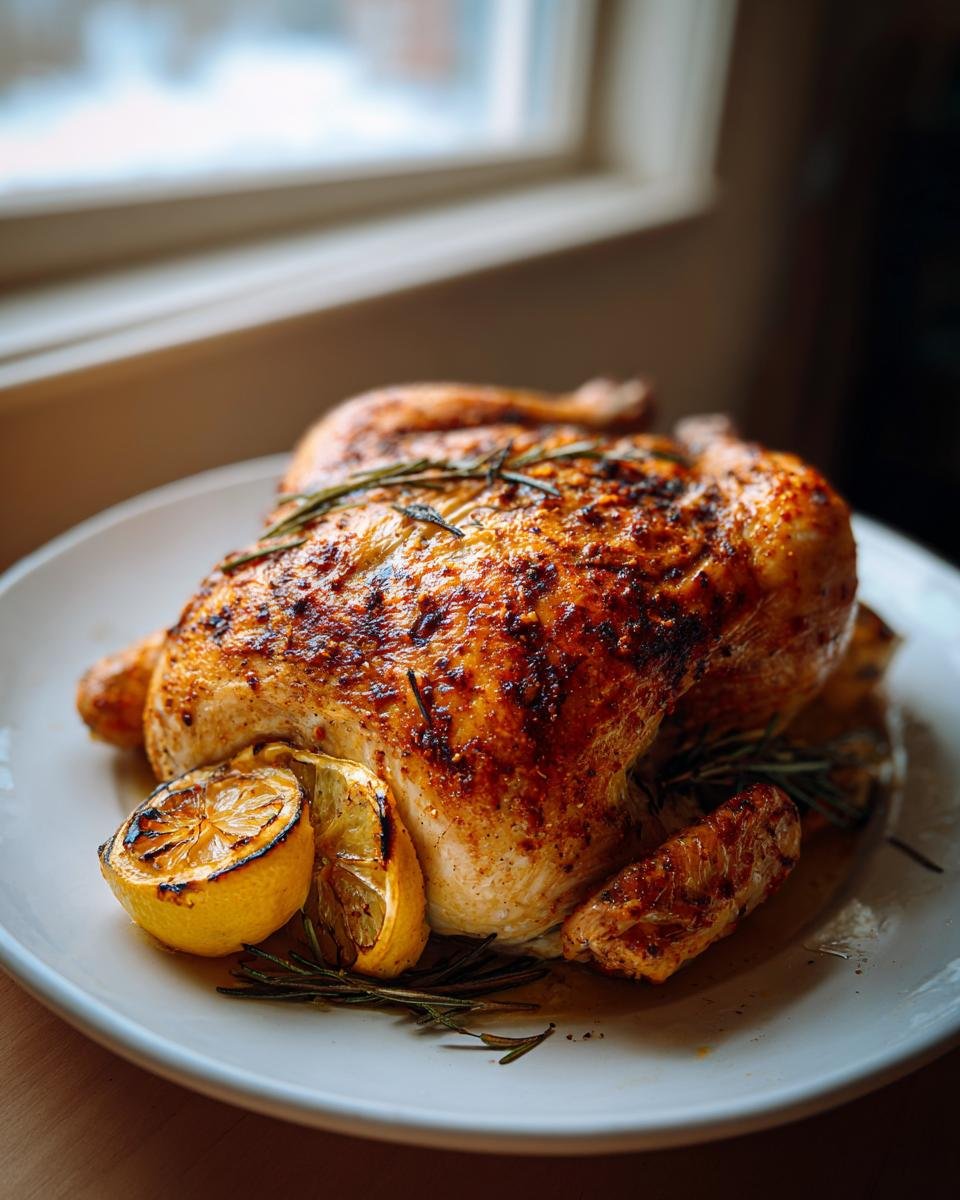
The secret to that gorgeous golden crust starts right here with drying the bird—don’t rush this step! Use paper towels until the skin feels slightly tacky, not wet at all. Once dried, evenly coat the whole exterior surface with the olive oil and spice blend. We are using just enough oil to make the spices stick, not enough to make the skin greasy later. The paprika is key for that rich color we all associate with a perfect roast chicken. Get those lemon halves and rosemary nestled snug in the cavity next!
The Roasting Process for Whole Roasted Chicken
We start high, at 425°F, to jump-start that skin crisping process. Keep an eye on the time, shooting for around 90 minutes total, but honestly, your internal thermometer is your best friend. You are aiming for that safe and juicy 165°F right there in the thickest part of the thigh—make sure the thermometer tip isn’t touching any bone, or you’ll get a false high reading! Remember that vital 10-minute rest period immediately after it leaves the heat; this keeps the meat tender and locks in all that moisture we desperately want in our easy chicken dinner.
Tips for Achieving the Ultimate Whole Roasted Chicken
Knowing the recipe steps is one thing, but knowing how to troubleshoot during the cook time is what makes you a great cook! We’ve covered patting the chicken dry and the resting period, but sometimes the oven doesn’t play nice. Don’t panic if things look a little too brown or if the breast seems like it’s taking forever compared to the legs. This is where we intervene slightly.
I always have aluminum foil nearby, almost like a blanket of rescue. If you’re worried about over-browning, the foil is your best friend. Some people also swear by basting, but honestly, I think excessive opening of the oven door lets too much heat escape, which messes up our crisp skin goal. If you’re looking for even more flavor inspiration outside of roasting, maybe check out how I tackle flavor when I use a chicken marinade for grilling.
Dealing with Browning During Whole Roasted Chicken Cook Time
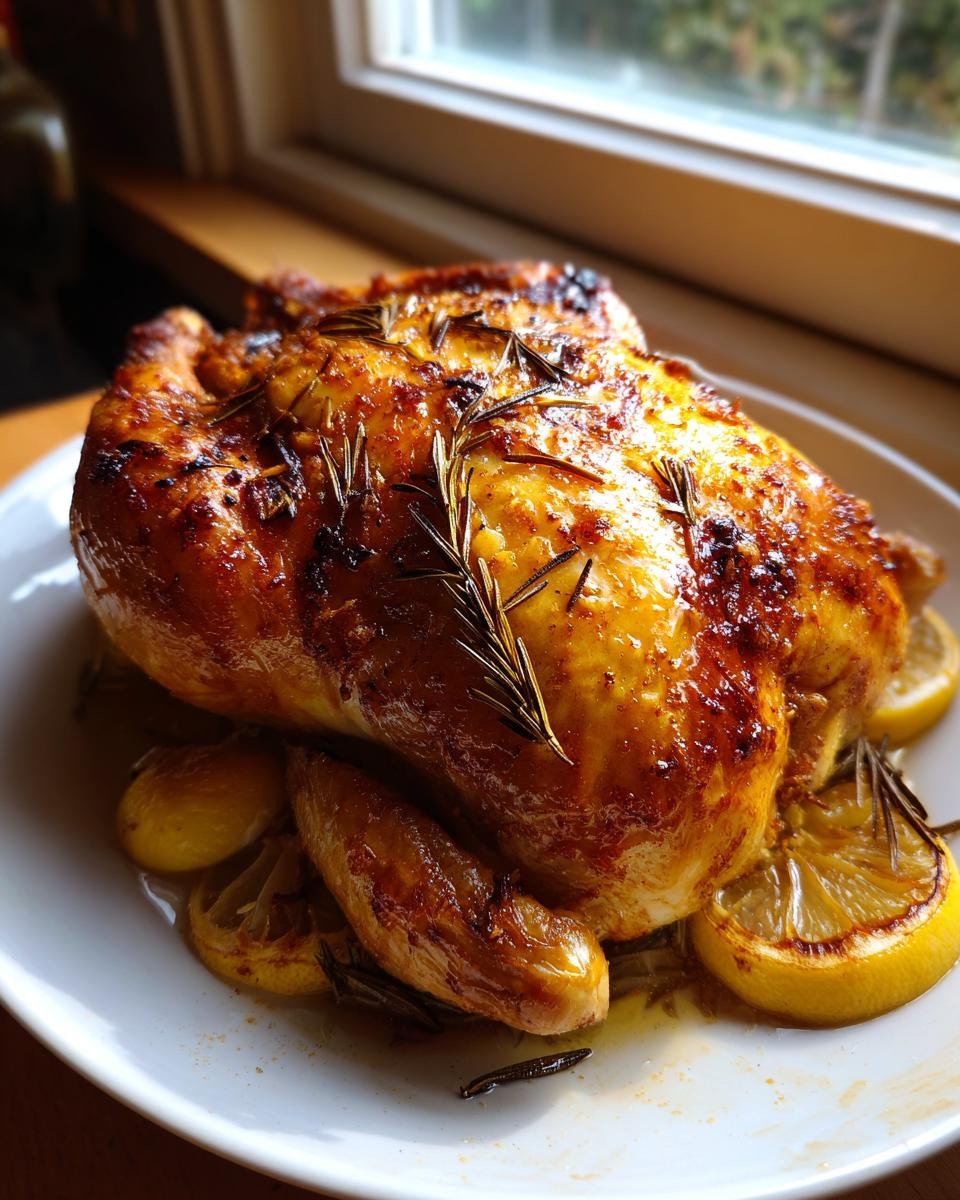
If you notice the skin getting that beautiful, deep golden-brown color way too fast—say, 45 minutes in—it’s time to intervene gently. You don’t want the skin to burn before the inside is cooked, right? Just take a piece of aluminum foil, maybe a rectangle big enough to cover the whole bird, and loosely tent it over the chicken. This acts like a little umbrella, shielding the skin from the direct heat blast while letting the trapped heat continue to perfectly cook the meat underneath. Pull it off for the last 10 minutes if you need to re-crisp it, but generally, tenting works like a charm until you pull it out!
Serving Suggestions for Your Whole Roasted Chicken
So, you’ve pulled that stunning, juicy whole roasted chicken out of the oven, let it rest, and carved it perfectly. Now what? Honestly, a roast chicken this good doesn’t need a lot of fuss, but having something to soak up those incredible pan juices is essential. The goal here is simplicity that complements the richness of the bird, not overshadows it.
My favorite dishes are usually the ones that can cook right alongside the chicken or use the wonderful drippings it leaves behind! If you’re looking for a perfect starchy companion, you absolutely must check out my recipe for delicious roasted garlic potatoes with herbs. Roasting them in the same oven means everything is hot and ready at the same time.
For something green, keep it crisp and bright. Either lightly blanch some asparagus and toss it with a squeeze of lemon right before serving, or simply steam some fresh green beans. A little sprinkle of salt and a drizzle of good quality olive oil is all you need. You want those vegetables to taste fresh, not heavy.
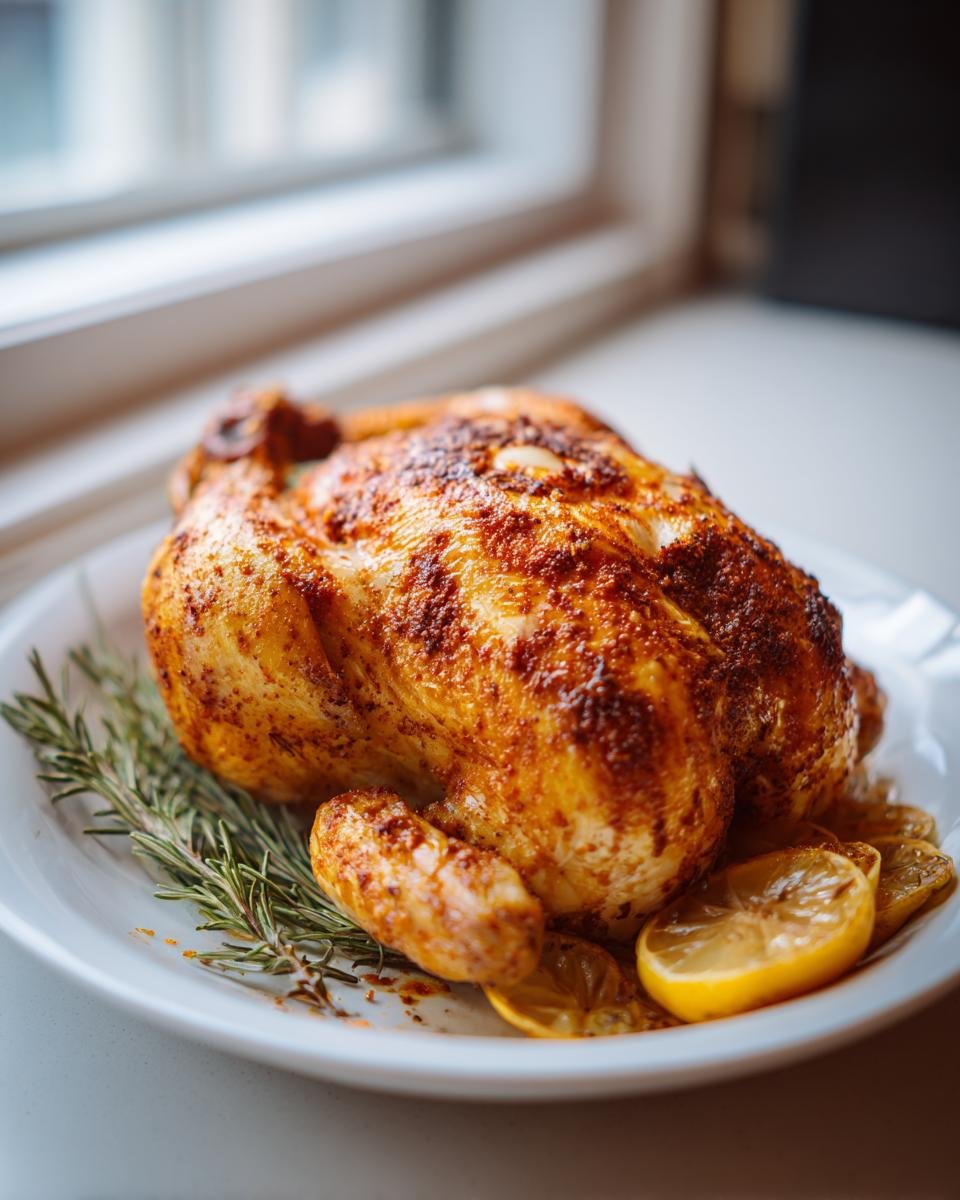
The roasted lemon halves that came out of the chicken cavity? Don’t toss them! Squeeze the slightly caramelized juices from those over your carved meat for one last punch of bright, fragrant flavor. It’s totally free but makes the whole meal taste like you spent hours fussing over every detail!
Storing and Reheating Leftover Whole Roasted Chicken
Don’t you just hate that moment when the amazing roast chicken leftovers are sitting there, and you know reheating them can be a total disaster? We all know the struggle: the breast dries up instantly, or the skin turns rubbery. We worked too hard for that perfectly juicy meat to let it go to waste or suffer through a sad microwave session!
The key to keeping this easy chicken dinner delicious for days is handling the leftovers right away before they even hit the fridge. You want to pack them away safely shortly after carving, and more importantly, reheat them gently. It’s all about moisture retention, folks.
For storage, get airtight containers ready. Once the chicken has cooled down a little bit—don’t put steaming hot food directly in the fridge, it’s not great for your appliance or the food safety!—wrap the pieces tightly, maybe even popping a tiny splash of leftover broth or water in the container before sealing. This helps keep things humid.
You should aim to eat your leftovers within three to four days. If you think it’ll take longer than that, you should definitely freeze what you know you won’t eat right away. Slice the meat off the bone first; it thaws and reheats much better when it’s not stuck to the skeleton.
Now for the reheating trick! Ditch the microwave if you can. The oven or even a skillet on medium-low heat works best to revive that juiciness. If you’re using the oven, place the slices in a baking dish with just a tablespoon of water or chicken stock, cover it tightly with foil, and heat slowly around 300°F until warmed through. That creates a little steam bath, preserving the moisture we fought so hard to keep in during the initial roast!
Frequently Asked Questions About Whole Roasted Chicken
I get so many questions after people try this recipe because they are shocked at how easy it is to get a restaurant-quality roast chicken at home! It’s funny how a simple, whole roasted chicken can create so much excitement. Here are a few things I hear most often after folks make this easy chicken dinner for the first time. If you have any other burning culinary questions, drop me a line!
How do I know when the chicken is done without a thermometer?
Oh gosh, please don’t rely solely on visual cues! I know in the old days people cut into the thigh, but honestly, that’s how you end up with dry chicken or worse—undercooked meals! My biggest piece of friendly advice is to invest in a decent meat thermometer. That way you aren’t guessing. If you absolutely must check without one, you can pierce the thickest part of the thigh joint; the juices should run clear, not pink or cloudy. But honestly, just stick to the temperature rule for food safety and peace of mind!
Can I stuff the cavity with vegetables instead of lemon/rosemary?
You absolutely can! That’s a great way to introduce more flavor and vegetables to your dinner all at once. Instead of the lemon and rosemary I use for basic seasoning, you can stuff carrots, onions, celery, and maybe some robust herbs like thyme. Just make sure you don’t pack the cavity too tightly. Stuffing it densely actually prevents the heat from circulating properly, which can lead to uneven cooking. Remember, if you add a lot of dense vegetables, you might need to add about 10 to 15 minutes to your total bake time to ensure everything is cooked safely through!
What temperature should the Whole Roasted Chicken reach?
This is the most important question for kitchen confidence! For safety, the internal temperature of your whole roasted chicken must reach a minimum of 165 degrees Fahrenheit (that’s 74 degrees Celsius). You need to test this right in the thickest part of the thigh, making sure that the thermometer probe isn’t resting against the bone, because the bone will hold heat and give you a false high reading. Once you hit 165°F, pull that beauty out immediately and let it rest! If you want to explore other great chicken recipes that use high heat, like how I make simple honey garlic chicken, you can check that out over here.
Why is patting the chicken dry so important for a roast chicken?
This step is the secret weapon for crispy skin—it cannot be skipped! Moisture is the enemy of crispiness. If you put a wet chicken into a hot oven, you are essentially steaming the skin rather than roasting it. When you pat it dry with paper towels until the skin feels tacky and almost dry to the touch, you are setting the stage for that gorgeous, crackly crust we’re aiming for. It allows the oil and spices to adhere beautifully and crisp up nicely under the high heat.
Nutritional Estimate for Whole Roasted Chicken
This recipe really is wonderful because it offers so much delicious protein without a lot of excess fillers! Keep in mind, these numbers are estimates based on using a 4-pound bird with the olive oil topping as listed. Since you are eating the meat and the skin, the fat content includes that delicious rendered fat, so it’s not as high as you might think if you trimmed some away!
Here is a general guideline for a single serving (about 1/4 of the chicken):
- Calories: 450
- Protein: 55 grams
- Fat: 25 grams (including saturated and unsaturated fats)
- Carbohydrates: 0 grams
- Sugar: 0 grams
- Sodium: 350 mg
Please remember, this is just an estimate based on the ingredients in this specific whole roasted chicken recipe, excluding any side dishes you might pile on your plate!
Nutritional Estimate for Whole Roasted Chicken
This recipe really is wonderful because it offers so much delicious protein without a lot of excess fillers! Keep in mind, these numbers are estimates based on using a 4-pound bird with the olive oil topping as listed. Since you are eating the meat and the skin, the fat content includes that delicious rendered fat, so it’s not as high as you might think if you trimmed some away!
Here is a general guideline for a single serving (about 1/4 of the chicken):
- Calories: 450
- Protein: 55 grams
- Fat: 25 grams (including saturated and unsaturated fats)
- Carbohydrates: 0 grams
- Sugar: 0 grams
- Sodium: 350 mg
Please remember, this is just an estimate based on the ingredients in this specific whole roasted chicken recipe, excluding any side dishes you might pile on your plate!
Print
Whole Roasted Chicken
- Total Time: 105 min
- Yield: 4 servings 1x
- Diet: Low Fat
Description
A recipe for roasting a whole chicken until the skin is crisp and the meat is juicy.
Ingredients
- 1 whole chicken (about 4 pounds)
- 2 tablespoons olive oil
- 1 teaspoon salt
- 1/2 teaspoon black pepper
- 1 teaspoon paprika
- 1/2 teaspoon garlic powder
- 1 lemon, halved
- 4 sprigs fresh rosemary
Instructions
- Preheat your oven to 425 degrees Fahrenheit (220 degrees Celsius).
- Remove the giblets from the chicken cavity and pat the chicken dry, inside and out, with paper towels.
- In a small bowl, mix the olive oil, salt, pepper, paprika, and garlic powder.
- Rub the oil mixture all over the outside of the chicken.
- Place the lemon halves and rosemary sprigs inside the chicken cavity.
- Tie the chicken legs together with kitchen twine, if desired.
- Place the chicken breast-side up in a roasting pan.
- Roast for 1 hour and 15 minutes to 1 hour and 30 minutes, or until a meat thermometer inserted into the thickest part of the thigh registers 165 degrees Fahrenheit (74 degrees Celsius).
- Remove the chicken from the oven and let it rest for 10 minutes before carving.
Notes
- For crispier skin, you can place the chicken on a wire rack set inside the roasting pan.
- If the chicken browns too quickly, loosely tent it with aluminum foil.
- Prep Time: 15 min
- Cook Time: 90 min
- Category: Dinner
- Method: Roasting
- Cuisine: American
Nutrition
- Serving Size: 1/4 chicken
- Calories: 450
- Sugar: 0
- Sodium: 350
- Fat: 25
- Saturated Fat: 7
- Unsaturated Fat: 18
- Trans Fat: 0
- Carbohydrates: 0
- Fiber: 0
- Protein: 55
- Cholesterol: 180
Keywords: whole roasted chicken, roast chicken, easy chicken dinner, whole bird