
Oh, let me tell you about real comfort food. Forget those fussy little layer cakes that need hours of chilling and frosting time—I’m talking about the dessert that satisfies that deep, dark chocolate craving instantly. I’m talking about the legendary Texas Sheet Cake. Seriously, this recipe is magic.
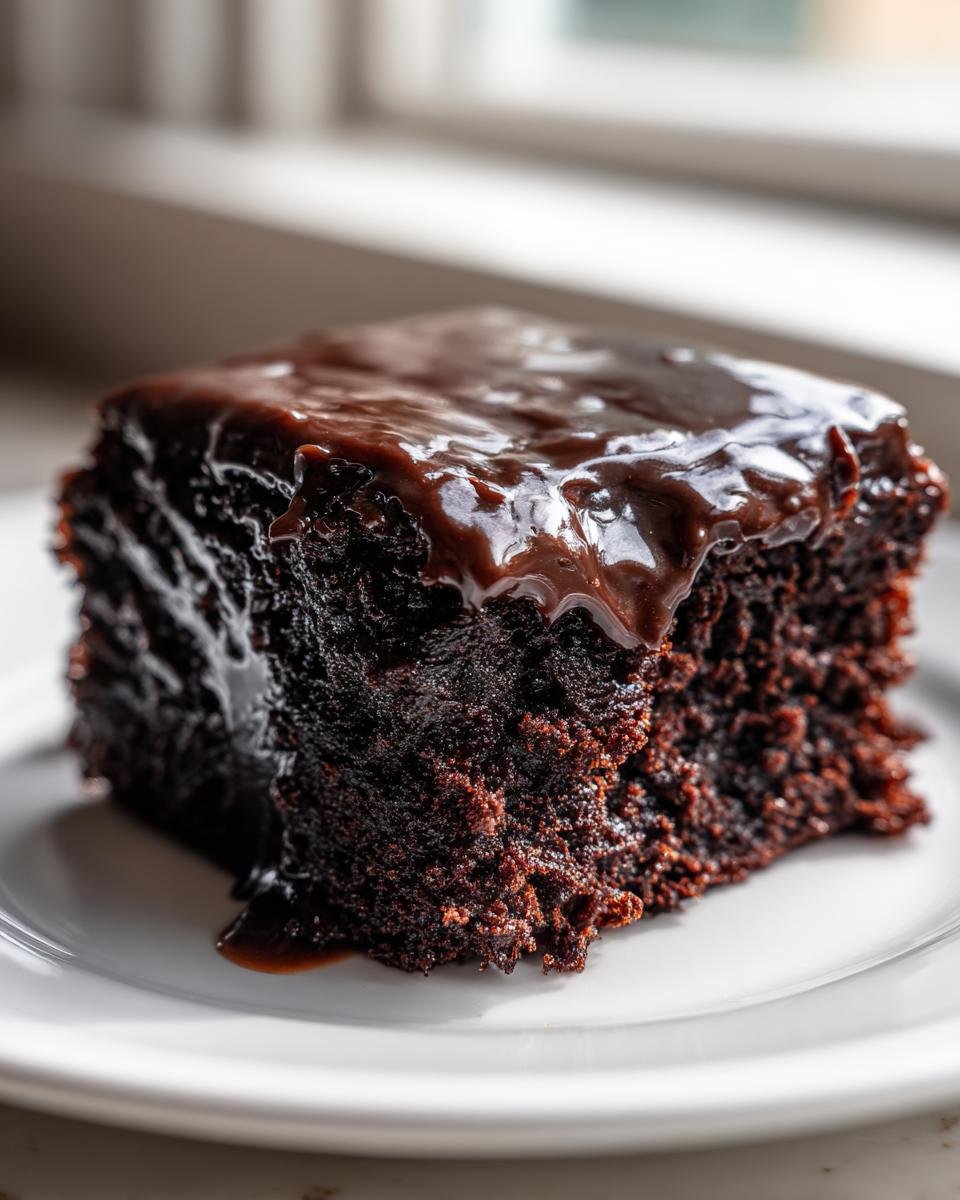
This isn’t just any chocolate cake, folks. It’s impossibly moist, baked right in the pan you serve it from, and it has this unbelievable, crackly, fudgy chocolate glaze poured right over the top while it’s still screaming hot from the oven. It’s messy, it’s easy, and it cures whatever ails you, I promise.
I’ve messed around with chocolate cakes my entire adult life, trying to beat this one, but I always come back. This version, the one I’m sharing with you today, has been perfected over years of baking for potlucks, birthday parties, and just Tuesday night emergencies. Trust me, once you use this method, you’ll realize why Southerners guard their sheet cake secrets so closely!
Why This Texas Sheet Cake Recipe Stands Out
I know what you are thinking: it’s just a sheet cake, right? Wrong! This particular recipe doesn’t just taste good; it stays perfect for days, which is rare for chocolate cake. My secret? It’s the method and the ingredients working together to create something truly superior.
- Unmatched Moisture: The combination of oil, buttermilk, and hot coffee ensures the crumb stays tender and never tastes dry, even on day three.
- Speedy Assembly: We’re talking about mixing the cake batter in practically ten minutes flat. There’s hardly any fuss, and you bake it right in the serving pan!
- The Glaze is the Star: That warm, fudgy chocolate glaze sets up perfectly, giving you that incredible sugary crust without being crumbly or hard.
- It Ages Gracefully: Seriously, this cake is even better the next day. I used to try the Hershey’s Cake recipe, but this one holds up wonderfully.
When you need a guaranteed crowd-pleaser that requires minimal effort but delivers maximum rich, chocolate flavor, this is the one to pull out. It’s the definition of easy baking success!

Essential Ingredients for the Perfect Texas Sheet Cake
Okay, gathering the supplies is almost as fun as baking it, and these ingredients are non-negotiable if you want that signature moist texture. I always keep these staples stocked. Trust me, a good sheet cake depends on the details, even when it’s supposed to be simple!
For the cake itself, we need the structure providers: two cups of all-purpose flour, two cups of regular granulated sugar—none of that reducing sugar business here! We get our lift from one teaspoon each of baking soda and salt. Then comes the moisture trio: one cup of buttermilk, one cup of vegetable oil (I use standard vegetable oil, but canola works too), and two large eggs. Don’t forget that teaspoon of vanilla extract for warmth.
Now for the secret weapons that make it special. First, you need that half-cup of strong, very hot coffee. Yes, coffee! It blooms the cocoa powder and deepens the chocolate flavor without making it taste like your morning brew. I always make it a little stronger than normal before I start mixing. Also, make sure your buttermilk is room temp if you can manage it; it mixes in so much better!
For the warm, poured-on glaze, you need one full cup (that’s two sticks!) of unsalted butter, which melts into that gorgeous chocolate base. Don’t skimp here! We use a half-cup of unsweetened cocoa powder for that deep color and flavor. Then, the bulk of the sweetness comes from four cups of powdered sugar, plus another teaspoon of vanilla and about a half-cup of milk to get the right pouring consistency. If you’re like me and love that crunch, grab a cup of chopped pecans to stir in right at the end. Honestly, this list looks a bit long, but it comes together so fast—sort of like that Orange Crush Cake I made last month!
Step-by-Step Guide to Baking Your Texas Sheet Cake
Now for the fun part! Baking a Texas Sheet Cake is less about delicate precision and more about good, honest timing. You need to move quickly once that cake comes out of the oven because the glaze waits for no one! You’ll want to have everything ready to go before you even turn on the oven, I learned that lesson the hard way years ago.
Mixing the Moist Texas Sheet Cake Batter
First things first: preheat that oven to 350 degrees F (175 degrees C). Then, grab your 15×10 inch jelly roll pan. Don’t skimp on greasing and flouring this; you want that cake to slide right out, or at least, slide right into its glaze! In a big bowl—and I mean big, because this batter spreads out—whisk together your flour, sugar, baking soda, and salt. Just get them nicely blended.
Next, we add the wet stuff: buttermilk, oil, eggs, and vanilla. Mix it until it *just* comes together. We aren’t whipping meringue here, just incorporating. Now, here’s where people panic, but don’t you dare! Carefully pour in that half-cup of strong hot coffee. Yes, it mixes up to be an incredibly thin batter. If yours looks watery, you’re doing it right! That thin consistency is exactly what guarantees the moist crumb in this wonderful perfect chocolate cake.
Baking and Testing the Texas Sheet Cake
Once smooth, pour that thin batter right into your prepared pan. Spread it out evenly—it spreads fine on its own once it gets warm. Pop it into the preheated oven for about 30 to 35 minutes. That sounds quick, and it is! This is where you need to be paying attention.
I used to overbake this cake when I first started, and they came out a little sad. Now, I always test early around the 30-minute mark. You’re looking for a wooden pick inserted near the center to come out clean. If you see any wet batter clinging, give it three more minutes and check again. Don’t let it sit in there too long, or that coffee moisture starts to vanish!
Creating the Fudgy Chocolate Glaze for Texas Sheet Cake
While the cake is cooling down just slightly, we make the glaze. This glaze is awesome because you cook it totally separate and pour it on warm! In a saucepan over medium heat, melt your whole stick and a half of butter. It needs to get nice and bubbly.
Pull the butter off the heat right away. Whisk in the cocoa powder quickly so there are no lumps. Then, beat in the powdered sugar, that extra teaspoon of vanilla, and the milk until it looks smooth and glorious. If you’re using pecans—and you really should!—stir them in right now so they get nice and cozy in the glaze. Remember, the entire pan of chocolate goodness needs to be poured while this glaze is still warm, so don’t let it sit around cooling off!
Applying the Glaze While the Texas Sheet Cake is Hot
This is the crucial moment! As soon as that cake comes out of the oven (and you’ve confirmed it’s done with your pick test), you work fast. Pour that warm glaze right over the top, spreading it evenly across the whole cake. It should flow easily and start sinking into the top layer a little bit, which is what keeps this Texas Sheet Cake so dreamy.
Don’t fuss with it too much once it’s on there. Just use an offset spatula to make sure you hit the corners. Then, just walk away! Let it cool completely before slicing. As it cools, that beautiful glaze will set up into that perfect, slightly textured, fudgy top layer you dream about. Perfection!

Tips for a Flawless Texas Sheet Cake Every Time
Baking this cake has become second nature to me over the years, but I still follow a few non-negotiables to make sure it turns out exactly right every single time. It’s not about fancy equipment; it’s about understanding those little chemical reactions happening right there in your mixing bowl!
First off, let’s talk about that buttermilk. If you are just dumping cold buttermilk straight from the fridge into your mix, stop! I always try to pull the buttermilk out an hour before I start baking so it can warm up slightly, closer to room temperature. Warmer buttermilk incorporates into that oil and sugar mixture much better, leading to a smoother batter and a finer crumb overall. It’s just like when I make my buttermilk beignets—temperature matters!
The hot coffee is another crucial player. I know people get nervous about pouring hot liquid into batter, but hear me out: the heat is what activates the cocoa powder perfectly, turning it from dull brown powder into that deep, complex chocolate flavor we crave. If you use cold coffee, you risk curdling the butter/oil mixture and you won’t get that glorious bloom effect.
I remember the very first time I attempted a proper Texas Sheet Cake—I must have been about twenty. I was so worried about over-mixing that I barely combined anything, and I used lukewarm coffee instead of hot. The result? A cake that tasted fine, but it had oddly dense spots, like little lumps of flour paste scattered throughout. Yikes! I learned my lesson: trust the hot liquid, mix until *just* smooth, and embrace the thin batter. That experience taught me that this cake rewards a firm, quick hand, not a hesitant one.
Finally, remember the pan size! This recipe is calibrated for that classic 15×10 inch pan. If you use a giant half sheet pan, the cake layers will be too thin, and you’ll have to slash your glaze ratio in half or end up with a crispy disaster. Keep the dimensions right, and the results will be fantastic.
Ingredient Notes and Substitutions for Texas Sheet Cake
Look, I love sticking to traditions, especially when it comes to a perfect, old-school recipe like this one. But let’s be real—life happens, and sometimes you run out of buttermilk or you just can’t find pecans at the store. Don’t panic! While I swear by the original ingredient list, I’ve figured out a few swaps over the years that keep the spirit of this amazing classic chocolate cake alive.
The most common question I get is about the buttermilk. If you’re out, don’t worry about running to the store! You can easily make your own substitute. Just take one cup of regular milk—any kind works—and stir in one tablespoon of white vinegar or lemon juice. Let that sit on the counter for about five minutes until it looks slightly curdled. Boom! Instant buttermilk substitute that works perfectly in this recipe. It gives you that slight sour tang needed to react with the baking soda for that beautiful rise.
Now, about those pecans. If you have a nut allergy in the family, or maybe you just burned the last of your supply making another dessert, omitting them is totally fine. The cake won’t suffer! The texture will just be incredibly smooth instead of having those crunchy little islands of flavor. Just make sure you pour that warm glaze over the cake immediately, because without the pecans slowing it down, those gooey spots will set up even faster.
Another ingredient swap that comes up is the coffee, especially if you are baking for kiddos or someone sensitive to caffeine. You can definitely use hot water instead of coffee, but I have to give you fair warning: you *will* lose some of that deep chocolate complexity. The coffee really brings out the richness of the cocoa powder—it’s almost like an amplifier! If you use water, try adding just a tiny splash (like half a teaspoon) of instant espresso powder dissolved in the hot water. It won’t give you the same depth, but it’s a good compromise.
Finally, the oil. Please, for the life of this wonderful cake, stick to a neutral oil like vegetable or canola. Do not try using olive oil or coconut oil here. You need that light, neutral fat base so the chocolate and coffee flavors can shine through without any competing taste trying to sneak into your rich frosting!
Serving Suggestions for Your Texas Sheet Cake
The beauty of a Texas Sheet Cake is that it’s perfectly happy all by itself. That warm, fudgy glaze is essentially its own fancy topping, so you don’t really need to add much fuss if you’re in a hurry. But I love dressing it up just a tiny bit for company!
My absolute favorite way to serve this rich, dark beauty is slightly warm, sliced into squares, with a big, cold scoop of vanilla ice cream right on top. The contrast between the slightly warm, gooey cake and the melting, creamy ice cream is just heaven. It’s that classic pairing that nothing can beat. If you have any around, maybe make one of my Ultimate Chocolate Milkshakes to go alongside it for the ultimate chocolate overload!
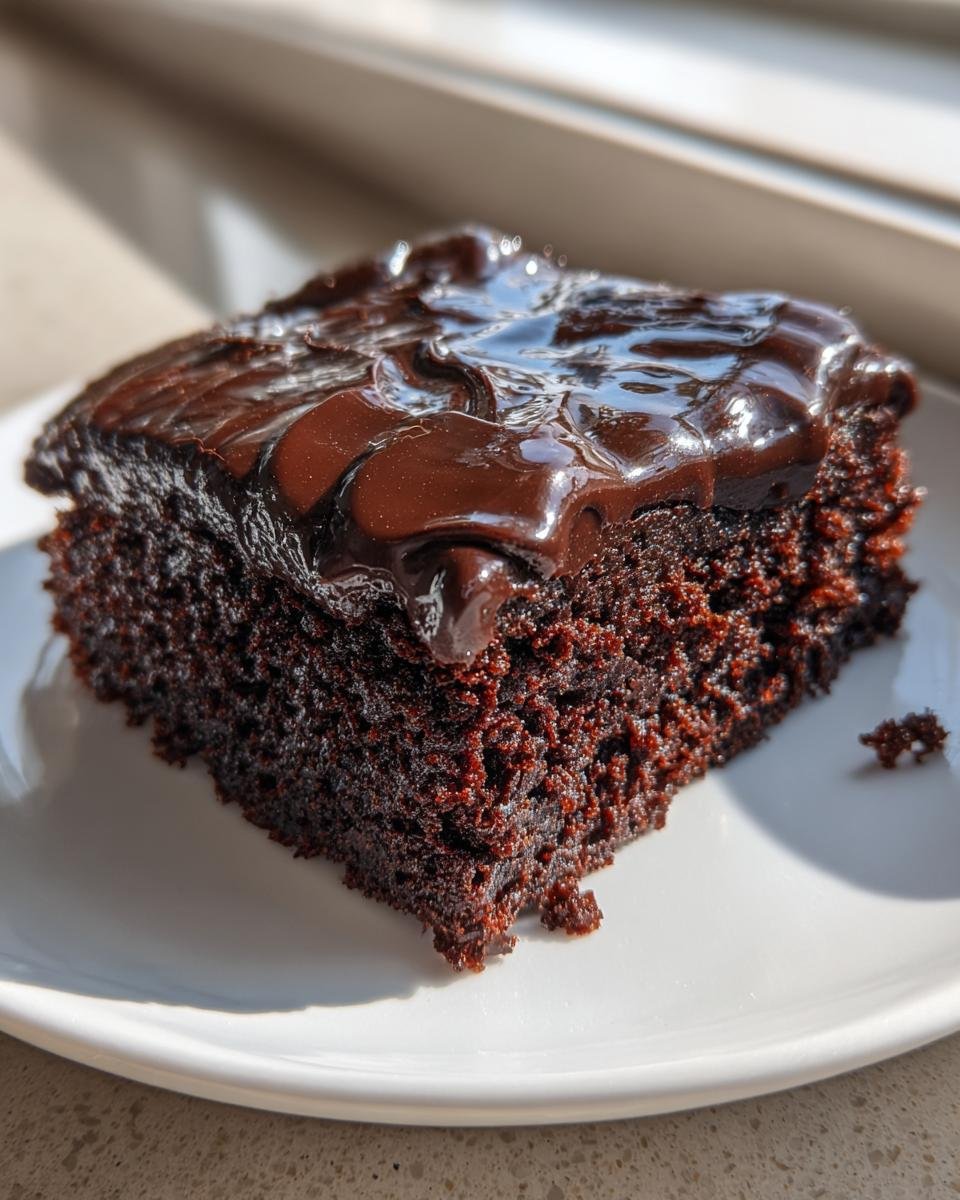
If you’re serving it after dinner when no one wants heavy ice cream, a simple pile of fresh berries on the side cuts through the richness perfectly. A scattering of fresh raspberries or sliced strawberries adds a bright, slightly tart note that makes every bite feel lighter. Sometimes I’ll even dust the plate with powdered sugar just for a little extra flair right before bringing it to the table.
Remember, because this cake is baked right in the pan, it looks great served right out of that jelly roll tin—keeps things rustic and homey! Just slice it up right there, put some paper plates down, and enjoy; that’s the true Texas way to do it.
Storage and Reheating Instructions for Leftover Texas Sheet Cake
This is the best part about a sheet cake, honestly: good leftovers! Unlike fussy layer cakes, this Texas Sheet Cake actually tastes *better* on day two because the moisture from that rich glaze soaks right down into that coffee-infused crumb. It’s built to last!
Now, how long it lasts depends entirely on where you keep it. Since this cake has a buttery, milk-based frosting poured right on top, you need to be smart about storage to keep that glaze from getting sticky or melting off. Generally, I keep this cake on the counter, covered tightly, for the first 24 hours. It holds up beautifully at room temperature as long as your kitchen isn’t scorching hot!
If you know you won’t finish it off by the next afternoon—which is tough, because this stuff disappears fast—you absolutely must move it to the refrigerator. Cover that pan *tightly* with plastic wrap or foil. You want to keep the air out so the cake doesn’t dry out beneath that lovely glaze. It will stay perfectly good in the fridge for up to five days. Just make sure to pull it out about 30 minutes before serving so the glaze softens up a bit; nobody likes biting into refrigerated chocolate frosting!
If you’re looking to freeze pieces (maybe you made a double batch because you’re smart like that), let the cake cool completely first, glaze and all. Cut individual squares. Wrap each square tightly in plastic wrap first, and then slide those wrapped pieces into an airtight freezer bag or container. They’ll be good frozen for about two months. When you want to eat one, just unwrap it and let it thaw on the counter for a few hours.
And what if you want that amazing fudgy glaze to be gooey again? You can gently warm up individual slices in the microwave for about 10 to 15 seconds. It softens the glaze just enough to make it luscious again without melting it entirely into soup. I wouldn’t advise reheating the entire cake, though; just do it slice by slice!
Troubleshooting Common Texas Sheet Cake Issues
Even with the best intentions and the greatest recipe in the world, sometimes baking just throws you a little curveball. Don’t sweat it! I’ve faced every disaster this wonderful Texas Sheet Cake can throw at you, and I’ve got the quick fixes that will save your dessert.
The most common panic moment is always the glaze. That’s because we’re pouring a melted magic potion over a hot cake, and chemistry can be tricky! If you follow my steps exactly, it should set up beautifully, but here’s what to do if things go slightly sideways.
What if my chocolate glaze is too runny?
Oh, the dreaded runny glaze! This usually happens if you didn’t use quite enough powdered sugar or if your cake wasn’t hot enough when you poured it on, meaning the glaze didn’t thicken up as it cooled. Don’t rush to throw it out! If it’s merely slightly thin, just let it be. Once the cake cools completely on the counter, it will usually firm up significantly.
If it’s truly soupy after it cools for an hour, you can save it! Simply take out a few tablespoons of the glaze from the pan (scooping from an edge is usually best) and whisk in another half-cup of powdered sugar until it stiffens up to a nice, thick paste consistency. Then, gently reheat that small amount of stiffer glaze mixture on the stove for about 20 seconds until it’s pourable again, and spread it back over the top. It works like a charm, but you have to work fast before the rest of the glaze hardens!
Why is the center of my sheet cake sinking?
Sinking usually points a big, flashing arrow toward one of two culprits: either the cake was underbaked, or you opened the oven door too many times while it was setting up! If you check the cake too soon, the structure is weak and the cooling air rushes in and collapses the center.
If you notice sinking happening while it’s actively baking, close that door and do not peek for at least ten more minutes. If the center sinks *after* you take it out, it usually means it needed just a few more minutes of baking. If you didn’t overbake it but it sank anyway, sometimes pouring a small amount of the hot glaze into the deepest part of the depression can help fill and firm up that area as it sets. But honestly, this cake is so forgiving; even a slightly sunken center is delicious when drowned in that fudgy frosting!
The cake seems dry—how can I rescue it?
Dryness is truly the enemy of a good chocolate cake, and usually, it means the cake was baked for too long after the wooden pick came out clean. This is where that hot coffee (and those two cups of oil!) really pay off, as they give you a bit of insurance.
The best rescue mission involves moisture injection. If you have any leftover glaze poured over a slice or two, you can make a quick, thin milk wash to pour over the rest. Mix two tablespoons of milk with one tablespoon of powdered sugar and a tiny splash of vanilla. Whisk it thin and drizzle it lightly over the top of the cake (you can do this before or after the main glaze sets, though before is better if the cake is still hot). It won’t fix drastic overbaking, but it’ll add just enough moisture back to save the day!
Another trick, and this one is great for serving: warm milk! If you’re cutting portions for folks, drizzle a tiny bit of warm milk or even coffee right over the square just before serving. It softens the crumb beautifully without soaking it completely soggy, giving you that fresh-from-the-oven tenderness again.
Frequently Asked Questions About Texas Sheet Cake
I get so many questions anytime I post a picture of this cake because everyone wants the secret to that perfect, easy chocolate frosting. Don’t worry, I’ve gathered the most common stuff people ask me about making this classic easy homemade chocolate frosting recipe.
Can I use regular milk instead of buttermilk in this Texas Sheet Cake?
You technically can, but I strongly advise against it if you want the true texture of this recipe! Buttermilk is acidic, and that acid reacts with the baking soda to give this cake its lift and its moist crumb. If you must use regular milk, please take a minute to curdle it yourself by adding one tablespoon of white vinegar or lemon juice per cup of milk allowed to sit for five minutes. That little bit of acid makes all the difference in how this buttermilk cake turns out!
Why is the glaze so thin when I pour it on? Should I wait for it to thicken before using it?
That glaze is supposed to look thin and almost runny when you take it off the stove! You are dealing with physics here, my friend. The whole point is that thin glaze flows over the hot cake, soaks in slightly, and then sets up as it cools. If you wait for it to thicken up on the stovetop, it will turn into concrete in your saucepan, not a smooth topping for your cake!
Can I skip the hot coffee? It makes me nervous.
That’s okay! I understand not everyone wants hot liquid in their batter. If you skip the coffee, the cake won’t taste like coffee, I promise—it just deepens the chocolate flavor. If you skip it, just use hot water instead. But to get that depth of flavor back, I recommend dissolving a teaspoon of instant espresso powder into the hot water before adding it to the batter. It helps make that cocoa pop!
Do I have to use pecans? I prefer a plain chocolate frosted cake.
Absolutely not! Pecans are optional, always have been. They add a lovely crunch and some texture contrast to that super soft cake, but if you omit them, you just get more pure, unadulterated, fudgy chocolate topping. Just stir them in at the very end when you mix the glaze, or leave them out completely. No drama either way!
Estimated Nutritional Information for Texas Sheet Cake
Because this is a rich, comforting dessert made with butter, sugar, and oil, I always prepare for a hearty serving size! If you are counting macros or tracking calories, here are some general estimates based on a standard 15×10 serving cut into 24 squares. Keep in mind that these numbers will shift depending on the exact brand of oil or amount of butter you use, so treat this as a guideline!
- Serving Size: 1 square
- Calories: 350
- Sugar: 45g
- Fat: 18g (with 7g saturated fat)
- Carbohydrates: 48g
- Protein: 3g
If you skip the glaze entirely, those numbers drop significantly, but let’s be honest, you aren’t really making a Texas Sheet Cake if you skip that amazing hot chocolate topping, are you? Enjoy every bite!
Estimated Nutritional Information for Texas Sheet Cake
Because this is a rich, comforting dessert made with butter, sugar, and oil, I always prepare for a hearty serving size! If you are counting macros or tracking calories, here are some general estimates based on a standard 15×10 serving cut into 24 squares. Keep in mind that these numbers will shift depending on the exact brand of oil or amount of butter you use, so treat this as a guideline!
- Serving Size: 1 square
- Calories: 350
- Sugar: 45g
- Fat: 18g (with 7g saturated fat)
- Carbohydrates: 48g
- Protein: 3g
If you skip the glaze entirely, those numbers drop significantly, but let’s be honest, you aren’t really making a Texas Sheet Cake if you skip that amazing hot chocolate topping, are you? Enjoy every bite!
Print
Classic Texas Sheet Cake
- Total Time: 50 min
- Yield: 24 servings 1x
- Diet: Vegetarian
Description
A simple, moist chocolate cake baked in a sheet pan, topped with a warm, fudgy chocolate glaze.
Ingredients
- 2 cups all-purpose flour
- 2 cups granulated sugar
- 1 teaspoon baking soda
- 1 teaspoon salt
- 1 cup buttermilk
- 1 cup vegetable oil
- 2 large eggs
- 1 teaspoon vanilla extract
- 1/2 cup strong brewed hot coffee
- 1 cup (2 sticks) unsalted butter
- 1/2 cup unsweetened cocoa powder
- 4 cups powdered sugar
- 1 teaspoon vanilla extract
- 1/2 cup milk
- 1 cup chopped pecans (optional)
Instructions
- Preheat your oven to 350 degrees F (175 degrees C). Grease and flour a 15×10 inch jelly roll pan.
- In a large bowl, whisk together the flour, granulated sugar, baking soda, and salt.
- Add the buttermilk, oil, eggs, and vanilla extract to the dry ingredients. Mix until just combined.
- Carefully pour the hot coffee into the batter and mix until smooth. The batter will be thin.
- Pour the batter into the prepared pan. Bake for 30 to 35 minutes, or until a wooden pick inserted into the center comes out clean.
- While the cake bakes, prepare the glaze. In a saucepan over medium heat, melt the butter.
- Remove the butter from the heat. Whisk in the cocoa powder.
- Stir in the powdered sugar, milk, and vanilla extract until the glaze is smooth. If using pecans, stir them in now.
- As soon as the cake comes out of the oven, pour the warm glaze evenly over the hot cake.
- Allow the cake to cool completely before slicing and serving.
Notes
- For a richer chocolate flavor, use strong, freshly brewed coffee.
- You can frost the cake while it is still warm, which allows the glaze to soak in slightly.
- If you skip the pecans, the cake is naturally gluten-free, but check your flour source.
- Prep Time: 15 min
- Cook Time: 35 min
- Category: Dessert
- Method: Baking
- Cuisine: American
Nutrition
- Serving Size: 1 square
- Calories: 350
- Sugar: 45g
- Sodium: 250mg
- Fat: 18g
- Saturated Fat: 7g
- Unsaturated Fat: 11g
- Trans Fat: 0g
- Carbohydrates: 48g
- Fiber: 1g
- Protein: 3g
- Cholesterol: 40mg
Keywords: Texas Sheet Cake, chocolate cake, sheet cake, easy chocolate frosting, buttermilk cake