
Oh, French cooking! It sounds so fancy, doesn’t it? Like something you only order in a restaurant with white tablecloths and tiny portions. Well, I am here to tell you that you can capture that incredible, restaurant-worthy flavor right in your own kitchen in under 25 minutes. This recipe for Steak Au Poivre is my absolute favorite weeknight showstopper. It’s all about that punchy peppercorn crust and creating the silkiest, creamiest cognac sauce you’ve ever tasted.
Trust me, mastering that pan sauce is easier than you think. Once you nail the timing on searing the steak and deglazing with the liquor, you’re channeling serious Old World chef vibes. It’s rich, deeply savory, and honestly unforgettable. Forget those complicated multi-day recipes; this is pure, quick elegance!
Why This Steak Au Poivre Recipe Works Perfectly
I want you to feel confident making this tonight because it’s deceptively simple! This recipe is fantastic because it proves you don’t need hours on the clock for incredible results. Here’s why it always turns out perfectly for me:
- It’s lightning fast! You get that beautiful pan-seared steak finish in just about 15 minutes total cook time.
- The aggressive use of crushed peppercorns gives you an intense kick that cuts right through the richness of the steak.
- The secret is building the cognac sauce right over the fond—those little brown bits left in the pan—which packs tons of flavor instantly.
- It tastes complex, but seriously, it’s just great technique using a few quality players.
Essential Ingredients for Authentic Steak Au Poivre
You can’t fake a classic, and for this Steak Au Poivre, the ingredients matter—especially the star of the show, the steak itself. We’re working with simple components here, so make sure your heavy cream is actually heavy cream, okay? Don’t skimp!
If you’re looking for tips on excellent beef cuts in general, you might want to check out this guide on sirloin tip roast secret recipe. But for this recipe, focus on what goes directly into the pan.
For the Perfectly Peppercorn-Crusted Steak Au Poivre
You need two beautiful beef sirloin or filet mignon steaks, and they must be about an inch thick. This thickness is crucial for getting that perfect sear on the outside while keeping the inside perfectly medium-rare. The peppercorns are our crust, so grab coarse black peppercorns. You absolutely must crush them yourself; those little pre-ground bits are just too fine and they burn too fast. We want texture!

For the Creamy Cognac Pan Sauce
This is where the magic happens! You’ll need half a cup of heavy cream—none of that half-and-half nonsense—and a quarter cup of cognac or brandy. If you absolutely can’t do the alcohol (and I get it, sometimes you can’t!), you can totally swap it out for beef broth, but promise me you’ll taste the difference? The cognac brings that signature sweetness and depth that makes this recipe famous.
Step-by-Step Instructions for Perfect Steak Au Poivre
Okay, let’s get cooking! This process moves really fast once you start, so have everything measured out and ready before your pan even hits the flame. I always try to have my irresistible garlic butter steak bites sides prepped before I even look at the stove, just to keep things calm!
Preparing the Peppercorn Crust and Searing the Steak Au Poivre
First things first: grab a sturdy plastic bag and crush those peppercorns! Use a rolling pin or even the bottom of a heavy pan—you want them coarse, not dust. Mix the crushed pepper with a tiny bit of salt. Now, press that pepper crust firmly onto both sides of your steaks. Don’t be shy here; you want a good, thick coating.

Get your skillet screaming hot over medium-high heat with the tablespoon of oil and butter. When that butter melts and foams, gently lay your steaks in. For perfect medium-rare, sear them for about 3 to 4 minutes on each side. Once they’re done, yank them immediately out onto a warm plate and cover them loosely with foil. They HAVE to rest while you make the sauce!
Making the Classic Cognac Sauce in the Same Pan
Lower the heat to medium. See all those yummy brown bits stuck to your pan? That’s flavor gold. Pour in your cognac or brandy. If you’re comfortable and you stand back, you can carefully light it—flambéing removes the harsh alcohol burn instantly. If you skip the flame, just let it bubble and reduce for about a minute.

Next, stir in the heavy cream. Let that sauce simmer gently, stirring until it thickens up enough to lightly coat the back of a spoon—this takes maybe 2 or 3 minutes. Taste it for salt, and that’s it! Pour that silky sauce right over your rested steak and serve immediately. Amazing, right?
Expert Tips for Mastering Steak Au Poivre
Look, I know high heat can be scary, especially when dealing with expensive cuts of meat, but this is where the magic happens. If you want that dark, flavorful crust—we call that Maillard reaction, but I just call it tasty—your pan needs to be hot, and critically, your steaks need to be dry!
I always pat my steaks down with paper towels until they feel almost chalky right before I coat them in pepper. Moisture is the enemy of searing, so banish it! If you skip that step, you’re just steaming your beautiful steak instead of creating that gorgeous crust.
Here’s one thing I learned after ruining a few filet mignons: I used to season with salt *after* crusting them with pepper. Don’t do that! I now lightly salt the steak first, then apply the peppercorn, and finish with just a tiny pinch more salt on top of the pepper crust right before it hits the pan. It helps the salt adhere and seasons the crust itself. You can find great background on seasoning basics right over here about steak marinade and flavor bombs, though we aren’t marinating here!
When you are making that gorgeous pan sauce, resist the urge to boil the cream into oblivion. You want a simmer, barely bubbling, just enough to let the alcohol cook off and the sauce reduce slightly until it clings lovingly to your spoon. If you cook it too hard, the cream separates and you end up with grainy texture, and nobody wants that sad ending to their perfect steak dinner!
Serving Suggestions for Your Steak Au Poivre Dinner
Steak Au Poivre is so rich and intensely flavored that you really don’t need a massive side dish stealing the show. We want things simple and elegant here. My go-to is always something creamy to soak up any leftover cognac sauce—creamy mashed potatoes are non-negotiable in my opinion!
If you need a veggie to round it out, keep it green and snappy. I often whip up some simple steamed asparagus, or even better, these absolutely perfect roasted green beans. They get a little crisp, and a squeeze of lemon brightens everything up. You just don’t want anything too heavy or saucy competing with that gorgeous peppercorn crust. Keep it light, keep it classic!
Storage and Reheating Instructions for Leftover Steak Au Poivre
First off, if you manage to have leftovers of my favorite Steak Au Poivre, you are incredibly disciplined! But hey, sometimes a single steak isn’t enough, or maybe you made it for lunch the next day. Here’s how I handle the leftovers so they taste almost as good as fresh.
The absolute most important thing is to separate the sauce from the steak. That creamy cognac sauce is going to keep in the fridge just fine—pop it into a small, airtight container. Keep it separate because when the steak cools, the fat in the sauce tightens up, and you don’t want the steak sitting in it, getting soggy.
When it comes time to reheat the steak, you have to be super gentle. If you throw a perfectly medium-rare steak back into a screaming hot pan, guess what? Medium-well! Or worse, well-done!

I usually reheat the steak slices very slowly right in a separate, lightly oiled pan over low to medium-low heat, just until the internal warmth comes back. We are just warming it through, not cooking it further. If you use the microwave, you’ll lose all that hard-earned crust—so be warned!
For the sauce, you can reheat that gently in a tiny saucepan. If it seems a little too thick after chilling, stir in just a splash of water or a tiny bit more heavy cream until you get the right silky consistency back. Then drizzle it over those nicely warmed slices. Enjoy your second perfect meal!
Variations on the Classic Steak Au Poivre Flavor Profile
Part of the fun of cooking is taking a classic, like our amazing Steak Au Poivre, and giving it a little personal spin, right? We aren’t changing the core—that peppercorn crust sticking to that perfectly seared steak is sacred—but we can tweak the sauce ingredients to suit our mood.
My favorite way to mix things up is in the liquid we use to deglaze the pan. If I’m feeling something a little warmer and smokier than the traditional cognac or brandy, I’ll swap it out for a nice bourbon or a decent single malt whiskey. It adds a completely different layer of warmth to the sauce. It’s still deep and savory, but with just a hint of sweetness that pairs shockingly well with the cracked pepper.
Another super easy trick that I use when I want the sauce to have a little more *zing* is adding mustard. Don’t go crazy, just stir in about half a teaspoon of Dijon mustard right after you add the heavy cream. It cuts through the richness of the cream and the inherent savory quality of the steak. It’s tangy, it’s bright, and it feels sophisticated, but honestly, it’s just mustard!
Now listen, if you’re curious about exploring totally different flavor profiles—maybe something sweet and unexpected—check out these amazing rhubarb cookies sometime! But when it comes to dinner, stick to these little sauce tweaks to keep your Steak Au Poivre exciting week after week.
Frequently Asked Questions About Making Steak Au Poivre
I get so many notes asking about specific steps in this recipe, so let’s tackle the biggest concerns right here. I want everyone to feel like they can master this classic French steak!
What if I don’t have cognac or brandy?
That’s a super common question! Like I mentioned, you can definitely skip the liquor if you aren’t interested in using it. Just keep your skillet over medium heat and let the pan sit empty for about a minute after pouring in the liquid substitute. You need that time for the alcohol to burn off or for the liquid to reduce slightly before you add the heavy cream. If you use beef broth instead, the sauce will be savory, but you’ll lose that signature sweet/sharp note the cognac provides. It’s a flavor trade-off, but it still works great!
Can I use a different cut of beef than sirloin or filet mignon?
You absolutely can, but I have to warn you: thickness matters most! If you want that classic medium-rare center and a crusty exterior, stick to at least a 1-inch thickness. Ribeye works wonderfully because it has great fat marbling, which keeps it juicy even when you get that hard sear. Just try to avoid really lean, thin cuts like flank steak, as they cook too fast and dry out before you can build up that beautiful peppercorn crust. If you’re looking for other excellent beef dishes, you might enjoy these 10 irresistible beef stir fry recipes for lighter dinners!
Why are my crushed peppercorns burning during the sear?
Oh, that is the worst! It means your pan was too hot, or you left the pepper on the steak for too long *before* it hit the oil and butter. Remember, you coat the steak, sprinkle with salt, and then immediately sear it. The fat layer (butter and oil) protects the pepper slightly, but if the pan is smoking hot or if you leave the crusted steaks sitting out for more than five minutes before cooking, the pepper starts to degrade and turns bitter. Keep that heat at medium-high, not smoking hot!
How do I know if I crushed the peppercorns correctly?
You’re looking for texture, not powder! Spread them on a cutting board and run over them with your rolling pin until you see large, jagged pieces mixed with some smaller granules. When you press them onto the steak, you should see and feel the texture sticking out. If it looks like black dust coated all over the meat, you went too far and you’ll definitely burn it.
Estimated Nutritional Data for Steak Au Poivre
Now, I never weigh anything perfectly when I’m cooking—I mean, who has the time?—but I can give you a good estimate of what you’re looking at based on the ingredients listed for two servings. This Steak Au Poivre is rich because we’re using good cuts of meat and heavy cream, so keep that in mind!
It’s important for me to say this upfront: nutrition is highly variable! How much butter you used to grease the pan, the exact grade of your steak, and how much of that gorgeous sauce you spoon over the top will change these numbers. So, treat this guide as a general ballpark figure only.
For one serving (one steak with a reasonable drizzle of that creamy cognac sauce), here are the rough estimates:
- Calories: Around 550
- Total Fat: About 40 grams
- Protein Power: A whopping 45 grams! That’s why it feels so satisfying.
- Carbohydrates: Very low, just shy of 3 grams.
There’s a good amount of protein here, which is what you want in a steak dinner. The fat count is higher than some leaner options, but honestly, that fat is what makes the cognac pan sauce so unbelievably good. If you’re watching sodium, this dish uses about 350mg, which I think is pretty controlled for a restaurant-quality meal, especially since we are salting to taste!
Share Your Steak Au Poivre Success
Wow, you made it! Now that you’ve chopped, seared, and flambéed your way to culinary perfection, I seriously want to know how it went. This is my absolute favorite recipe, and hearing about your results truly makes my day.
Did you get that perfect medium-rare on your first try? Did your family instantly devour the cognac sauce? Please don’t keep your successes—or even your little kitchen oops moments—to yourself!
I love hearing about any little tweaks you made. Maybe you used filet mignon instead of sirloin, or perhaps you found a secret ingredient that made your pan sauce even better than mine? Don’t be shy about sharing your tips in the comments below. I treasure every single piece of feedback!
If you’re ready to give this recipe a star rating—and I hope you give it five, you deserve it after that sensational sear!—please drop your feedback right down below. It helps other cooks feel confident trying out this classic French favorite.
If you have a question that isn’t covered in the FAQ, or if you just want to send a sweet note or picture of your meal, you can always reach out directly through my contact page. Happy cooking, and thank you for trying out my favorite peppercorn steak!
Print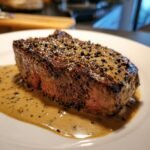
Steak Au Poivre
- Total Time: 25 min
- Yield: 2 servings 1x
- Diet: Low Fat
Description
A classic French dish featuring pan-seared steak coated in crushed peppercorns and served with a creamy pan sauce.
Ingredients
- 2 (8 ounce) beef sirloin or filet mignon steaks, about 1 inch thick
- 1 tablespoon coarse black peppercorns
- 1 tablespoon olive oil
- 1 tablespoon unsalted butter
- 1/4 cup cognac or brandy
- 1/2 cup heavy cream
- 1/2 teaspoon salt (or to taste)
Instructions
- Place peppercorns in a plastic bag and crush them coarsely using a rolling pin or the bottom of a heavy pan.
- Press the crushed peppercorns firmly onto both sides of the steaks, coating them evenly. Sprinkle lightly with salt.
- Heat olive oil and butter in a heavy skillet over medium-high heat until the butter melts and foams.
- Carefully place the steaks in the hot skillet. Sear for 3 to 4 minutes per side for medium-rare, adjusting time for desired doneness.
- Remove the steaks from the skillet and set them aside on a plate to rest, loosely covered with foil.
- Return the skillet to medium heat. Pour the cognac or brandy into the skillet. Let it warm for about 30 seconds.
- Carefully ignite the alcohol with a long match or lighter if you are comfortable doing so (stand back). Allow the flames to die down naturally. If you do not flambé, simply let the alcohol cook down for 1 minute.
- Stir in the heavy cream and bring the sauce to a simmer. Cook, stirring occasionally, until the sauce thickens slightly, about 2 to 3 minutes. Taste and add more salt if needed.
- Pour the sauce over the rested steaks before serving.
Notes
- For best results, use high-quality steaks.
- If you prefer not to flambé the cognac, simply let it reduce by half before adding the cream.
- You can substitute beef broth for the cognac if you avoid alcohol, though the flavor profile will change.
- Prep Time: 10 min
- Cook Time: 15 min
- Category: Dinner
- Method: Pan Frying
- Cuisine: French
Nutrition
- Serving Size: 1 steak with sauce
- Calories: 550
- Sugar: 2
- Sodium: 350
- Fat: 40
- Saturated Fat: 18
- Unsaturated Fat: 22
- Trans Fat: 0
- Carbohydrates: 3
- Fiber: 0
- Protein: 45
- Cholesterol: 150
Keywords: Steak Au Poivre, peppercorn steak, French steak recipe, pan-seared steak, cognac sauce