
Oh man, I have been craving that perfect bite of buttery, savory crab cake lately—you know, the kind that tastes totally luxurious but doesn’t demand you spend half your Saturday wrestling with bread filler? Well, I cracked the code for you! Forget complicated steps and endless binders; this recipe for **Easy Crab Cakes** is my go-to for getting that amazing, sweet lump meat flavor on the table fast. Seriously, the first time I made these for my brother’s surprise birthday dinner, everyone thought I’d bought them from that fancy seafood spot downtown. Nope! Just simple ingredients, zero fuss, and pure crusty, tender deliciousness ready in under 30 minutes. Trust me, once you try this simple method, you’ll never go back to the fussy versions.
Why You’ll Love These Easy Crab Cakes (Quick, Flavorful, Perfect)
I keep coming back to this recipe because it just works, every single time, no matter how much I want to rush things. It manages to be incredibly simple without tasting like a shortcut. It’s the perfect weeknight seafood splurge!
- Lightning Fast: Prep time is maybe fifteen minutes, and they cook in ten. You can have these on your plate before takeout even gets to your door!
- Flavor First: We use minimal filler here—just enough binder so they hold together. The sweetness of the lump crab meat is really the star of the show, balanced perfectly by the Dijon and Old Bay.
- No Fuss Mixing: I’ll talk more about this later, but the gentle folding technique means you get real, chunky crab texture, not some mushy paste.
- Big Flavor, Small Shopping List: Seriously, look at that ingredient list! You probably have half of it sitting in your fridge right now.
If you’re looking for more ways to tackle crustacean perfection quickly, check out my thoughts on quick Maryland crab cakes. But honestly, for sheer simplicity, this basic recipe steals the show!
Gathering Ingredients for Your Easy Crab Cakes
Okay, let’s talk about what you actually need to make these treasures. The beauty of this recipe is that you don’t need fancy, obscure items. Just a few key players that really let that main ingredient shine. Remember, since this is an easy recipe, we want to keep the ingredient count low, which means quality matters!
Here’s exactly what you need to pull together for four perfect patties. If you’re already a fan of quick dishes like my healthy tuna patties, you’ll recognize most of this stuff!
- One whole pound of lump crab meat: This is non-negotiable, folks! We absolutely need the lump variety because we want those big, beautiful flakes of crab in every bite.
- 1/2 cup mayonnaise: I strongly recommend using the full-fat stuff here. It adds richness and binds everything so nicely. Don’t skimp on the binder!
- 1 large egg, lightly beaten: Just crack it, give it a quick whisk in a separate bowl so it’s already broken up, and then move on.
- 1 tablespoon Dijon mustard: This gives us that little tang to cut through the richness of the mayo and the crab.
- 1 tablespoon Worcestershire sauce: Adds depth! Don’t skip this, otherwise, the flavor just falls flat.
- 1/4 cup bread crumbs: If you have Panko bread crumbs on hand, use those! They stay a little crisper and don’t absorb as much moisture, which keeps our cakes firm.
- 1 tablespoon fresh parsley, chopped: Fresh is so much better than dried here, it really brightens things up.
- 1/2 teaspoon Old Bay seasoning: Hello, seaside flavor! This is the classic seasoning you expect.
- Salt and pepper to taste: Taste as you go, but remember the Old Bay and Worcestershire already have some salinity built in.
- 2 tablespoons butter or oil for cooking: Butter gives you that gorgeous golden crust, but your favorite cooking oil works fine too.
Tips for Perfect Easy Crab Cakes: Ingredient Notes & Substitutions
For these **Easy Crab Cakes** to truly shine, you need to treat that lump crab meat like the superstar it is. Seriously, you are paying good money for that gorgeous seafood, so we aren’t going to mangle it in the mixing bowl!
Handling the Lump Crab Meat
This is my biggest expert tip, and it’s all about technique, not complicated steps. When you’re picking through the crab meat to check for shells (which you absolutely must do!), be incredibly gentle. Use your fingers—not a fork—to separate the big pieces. We want those nice, chunky sections of crab meat to stay intact. If you stir too vigorously, you end up with crab “paste,” and trust me, that won’t give you the texture you’re dreaming of.
When you finally fold in the wet ingredients, use a rubber spatula and just a few turns. Stop folding when you see streaks of the binder mixture left in the bowl. That’s it! The residual moisture will take care of the rest when you form the patties. This gentle touch is key to a premium seafood experience.

Choosing Your Binders and Fillers
We use minimal bread crumbs here—just a little help to keep the patties from falling apart in the pan. If you happen to be out of standard bread crumbs, you can absolutely substitute them with crushed saltine crackers. Just make sure to crush them finely, almost to a coarse sand texture.
However, I must warn you: never use too much filler. Some recipes call for a full cup, and that’s just wrong! That dilutes the flavor and turns a delicacy into a glorified fish stick. If you try to convert this to an air fryer wonder—like I sometimes do when I want something healthier, check out my air fryer crab cakes recipe—you might need to chill the patties slightly longer because the binder sets up differently in dry heat.
A Note on Fresh vs. Canned Crab
This recipe is developed specifically for high-quality lump crab meat, either fresh from the counter or good quality pasteurized canned lump meat. If you use canned, make sure you drain it extremely well before you even start picking! If you are grabbing pre-picked, pasteurized meat that is packed in water or brine, you need to gently press out any excess liquid. Too much liquid means you’ll be tempted to add more bread crumbs, and we already covered why that’s a recipe risk!
Step-by-Step Instructions to Make Easy Crab Cakes
Alright, now for the actual building phase! This is where patience pays off. Remember everything I said about being gentle? We are going to put that into practice right now. Follow these steps exactly, and you won’t have a single broken patty when they come out of the pan.
- First things first: Take your beautiful lump crab meat. You need to gently go through every bit of it, using just your fingers, to make sure there are absolutely no tiny shell bits hiding in there. Toss any pieces that look suspicious or feel sharp. Place the good, clean crab meat into a medium mixing bowl.
- In a separate, smaller bowl—this keeps everything neat—whisk together all your wet and binding ingredients: the mayonnaise, that lightly beaten egg, the Dijon mustard, the Worcestershire sauce, the bread crumbs, parsley, and the Old Bay. Whisk it until it’s just smoothly blended.
- Now, pour that wet mixture right over the crab meat in the big bowl. This is the critical moment! Take your spatula and gently—I mean *gently*—fold the ingredients together. You want to combine them until the streaks of the mayo mixture are just gone, but don’t stir it like cake batter! If you overmix, you’ll crush the lumps, and we don’t want that mess.
- Once it’s barely combined, start forming the mixture into patties. You should aim for 4 to 6 evenly sized patties, depending on how big you like them. I usually make mine about an inch thick.
- Pro Tip for Firmness: If you have an extra 30 minutes, stop right here! Cover the formed patties gently with plastic wrap and pop them in the fridge to chill. This firms them up so much that they barely wiggle when you move them to the hot pan. Absolute game-changer for easy handling!
- Time to cook! Heat your butter or oil in a large skillet over medium heat. You want the pan hot enough that the fat shimmers slightly, but not so hot that it’s smoking immediately.
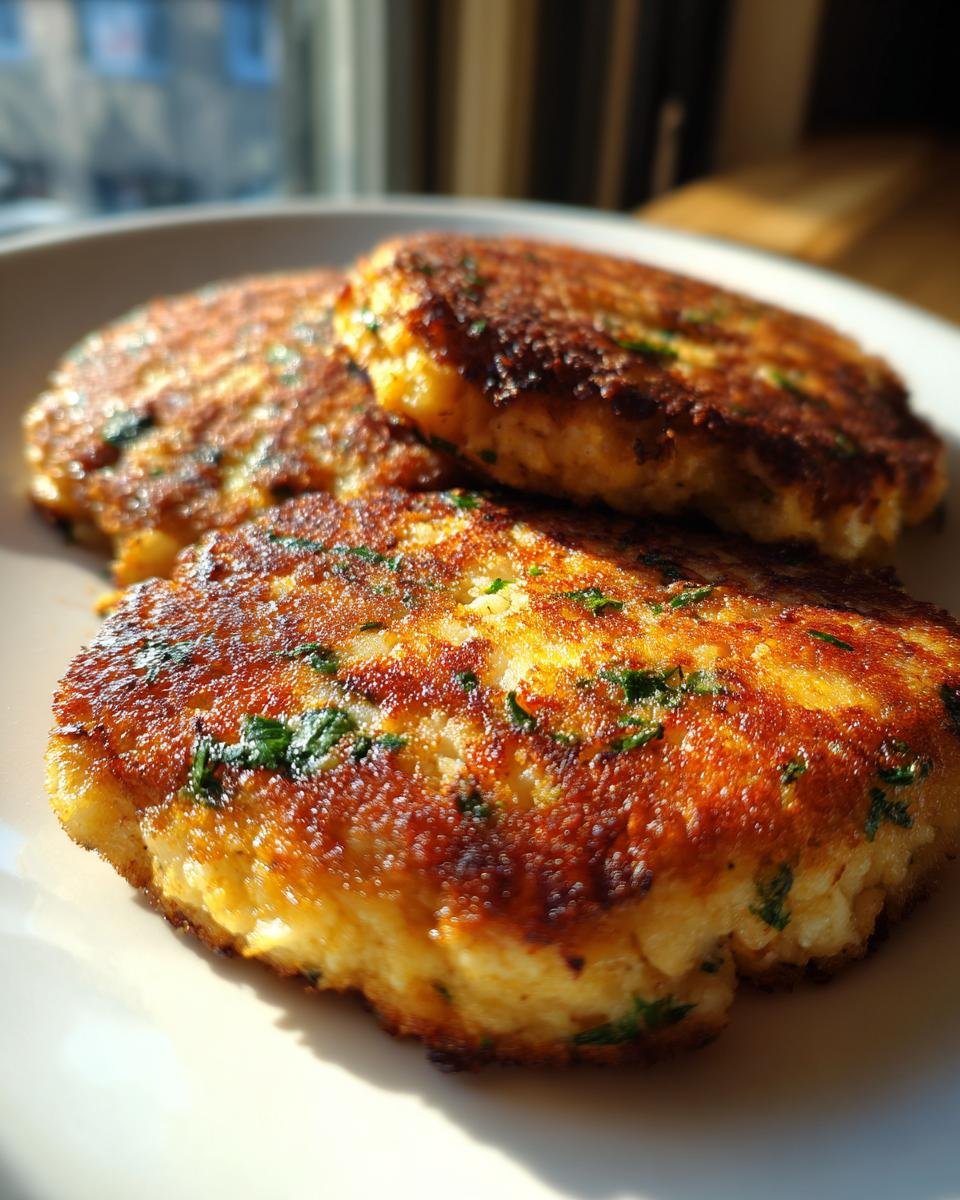
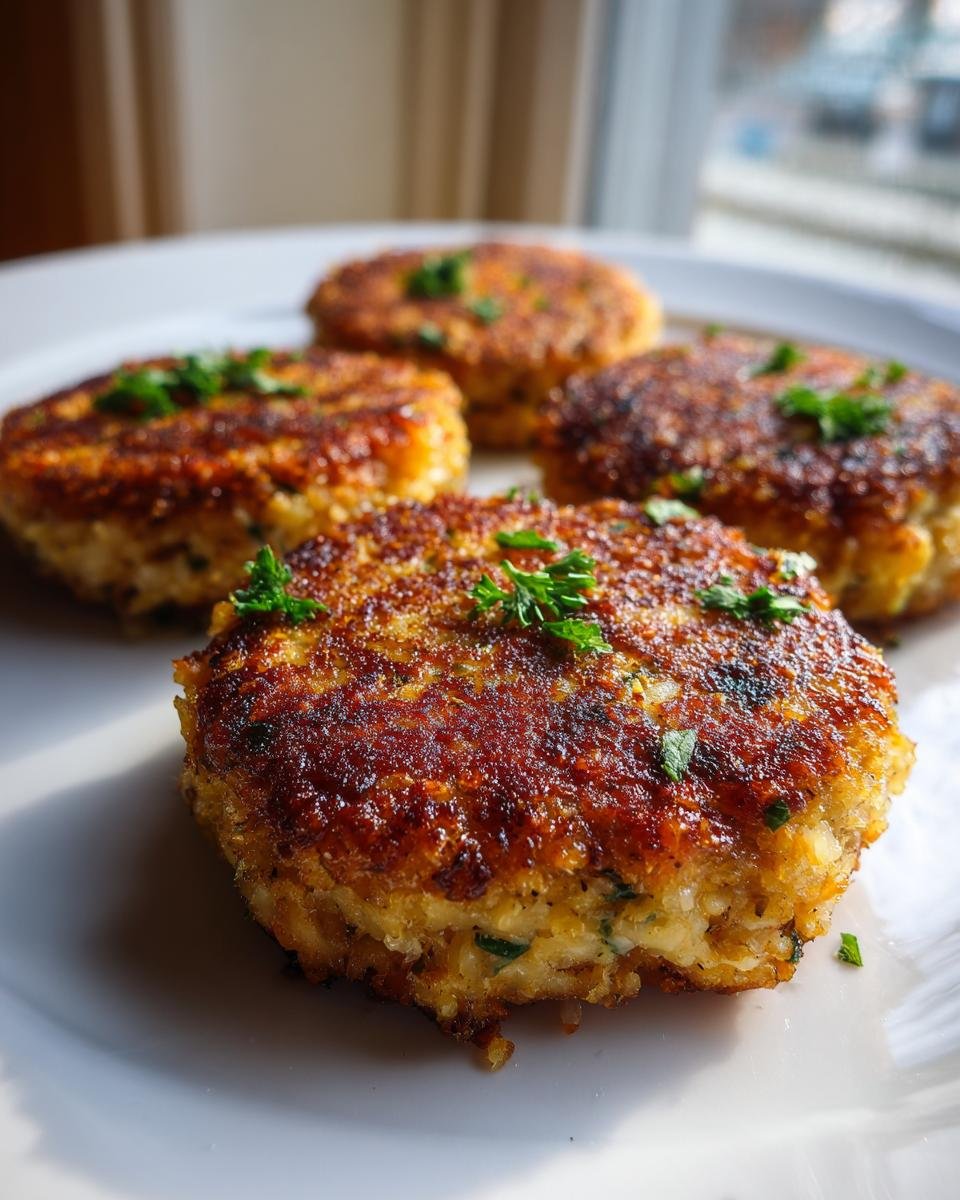
- Carefully place the crab cakes in the hot skillet. Try not to crowd the pan, even if you have to cook them in batches. Give them space! Cook them for about 4 to 5 minutes per side. You are looking for a rich, golden-brown crust on the outside and just heated through in the middle. Don’t press down on them while they cook!
- Once they look beautifully brown on both sides, remove them from the skillet right away. Serve them piping hot! I like to serve mine with fresh lemon wedges, but you can certainly use any sauce you prefer. If you like more ideas on solid frying techniques, check out my guide on simple fried pork chops—the heat management advice there is the same!
Achieving Golden Perfection: Cooking Your Easy Crab Cakes
Okay, you’ve gently mixed the ingredients and lovingly formed your patties—now comes the best part: the sizzle! Cooking these babies correctly is what takes them from ‘good’ to ‘I can’t believe I made this at home.’ Remember, we are pan-frying, and success here hinges entirely on two things: the heat level and giving them personal space.
Don’t Crowd the Pan—They Need Room to Breathe!
This is probably the single most important cooking rule I stick to, whether I’m making these or frying up some irresistible pan-fried chicken. When you throw too many crab cakes into one skillet, what happens? The temperature of your oil drops instantly! Instead of getting that beautiful, quick sear and golden crust, the crab cakes start steaming in their own released moisture. We hate soggy bottoms!
If you have six cakes to make, use two batches of three if your pan is standard size. You want to be able to place the cake in the pan and hear that immediate, happy little *sizzle*. If you don’t hear that, the pan isn’t hot enough, and you risk the oil soaking into the bread crumbs before they even start to brown up.
Mastering the Medium Heat Sweet Spot
We need medium heat, and I mean *steady* medium heat. If you crank it up to medium-high, the outside will turn jet black before the center warms up—and we certainly don’t want raw crab meat mingling with our delicious Old Bay binder!
If you used the optional chilling step I mentioned earlier, you have a little more wiggle room with the heat. But generally, cook them low and slow enough that you can watch the sides get beautifully browned without any panic. Four to five minutes on that first side is usually the magic number. They should be a deep, inviting golden color.
The Flip and Finish
When it’s time to flip, use a wide, thin spatula. Slide it carefully underneath the cake, making sure you get the entire base, and flip confidently. Don’t hover! A quick, decisive flip works best to keep the structure intact. Don’t start poking or pressing them down once they’re flipped. That just pushes out all the lovely internal juices we worked so hard to keep moist. Another four or five minutes on the second side, and you’re done. You’ll know they are ready when the sides look solid and they feel firm when you nudge them gently with your spatula. Take them out immediately to drain on a wire rack or a paper-towel-lined plate so the bottoms don’t steam once they leave the heat!
Serving Suggestions for Your Easy Crab Cakes
You’ve made the perfect **Easy Crab Cakes**—they’re golden, flaky, and totally ready to eat. But let’s be honest, a great crab cake deserves an equally great supporting cast on the plate, right? We don’t want boring sides stealing the show; we need complements that make that sweet crab flavor really pop!
My absolute classic serving method is the simplest: just a thick wedge of fresh lemon perched right on top. A good squeeze of bright, tart lemon juice cuts through the richness of the mayo and the butter we cooked them in. It honestly brightens up the whole dish instantly.
The Sauces: Classics vs. Bold Flavors
You absolutely cannot go wrong with a classic tartar sauce. I keep a jar of the store-bought kind on hand for those rushed nights because, hey, sometimes simple is best! But if you’re feeling ambitious, a simple homemade remoulade or a spicy aioli takes these cakes straight to restaurant quality. You mix mayo, a splash of hot sauce, a little horseradish, and maybe a dash of Cajun seasoning. It’s amazing!
If you’re looking for something a little different than just the traditional sauces, I find that a vibrant green side really anchors the plate beautifully, especially if you are serving them as a lighter dinner.
Perfect Vegetable Pairings
Since these are so quick to cook, you want a side that cooks quickly too, or one you can prep ahead! I love pairing them with something green and slightly crisp. You have to try my recipe for flavorful roasted asparagus with lemon and garlic butter. Toss those spears with a little olive oil, salt, pepper, and garlic powder, roast them at 400 degrees while the cakes are chilling, and they come out slightly charred and tender right when you need them.
The smokiness from the roasted asparagus really works well against the sweetness of the crab. It’s far more interesting than a simple green salad, but it still keeps the meal feeling light and fresh.
Making it a Full Meal
If you need to bulk this up into a really satisfying dinner, skip the fries and go for something simple like a small scoop of creamy whipped mashed potatoes, or even better, some fluffy white rice to soak up any stray juices. But honestly, a truly great crab cake stands proudly on its own—just make sure you have plenty of napkins ready!
Storage and Reheating Tips for Leftover Easy Crab Cakes
I’m going to be honest with you: these **Easy Crab Cakes** are usually long gone the night I make them. But in the rare instance that I actually have leftovers—maybe I was cooking for one!—I have a couple of hard and fast rules about how to treat them so they taste just as good the next day.
Because we’ve worked so hard to keep the filler minimal and the crab meat structure intact, the last thing we want to do is ruin that texture in storage or reheating. Soggy crab cakes are just sad, and we don’t do sad food around here!
Storing Your Leftover Crab Cakes Properly
If you have any cooked patties left, you need to get them into cold storage as soon as they are completely cooled down. Don’t leave them sitting on the counter for too long; seafood needs to chill fast for safety. Once they are room temperature—which takes about twenty minutes after coming out of the pan—put them away.
The best way to store them is in a sturdy, airtight container. I like to place a small sheet of parchment paper or wax paper between the layers of crab cakes if I stack them. This stops them from sticking to each other, which would absolutely destroy the crust when you try to pull them apart later.
They’ll keep safely in the refrigerator for about two to three days. Any longer than that, and you’re risking it, so try to enjoy them quickly!
The Best Way to Reheat (No Soggy Messes Allowed!)
This is critical: Do not, under any circumstances, put these leftover **Easy Crab Cakes** in the microwave. I know it’s tempting when you are in a huge rush, but the microwave turns that beautiful golden crust instantly soft and steamy. It just ruins the whole experience!
You have two much better, texture-preserving options for reheating:
- The Oven Method: This is my top choice for reheating several cakes at once. Preheat your oven to 350 degrees Fahrenheit. Place the patties on a baking sheet lined with foil or parchment paper. Bake them for about 8 to 10 minutes. They reheat gently, and the crust firms right back up, getting almost crispy again.
- The Air Fryer Method: If you own an air fryer, this might be even faster! Set it to 340 degrees. Cook for about 4 to 6 minutes, checking halfway through. This blasts the remaining moisture out and gives you that fantastic fried texture back with almost zero extra oil.
Remember, you’re just reheating, not cooking them from raw, so watch them closely so they don’t dry out completely. If you plan on reheating them quickly, maybe give them an extra minute or two in the oven to ensure they are heated all the way through to the center safely!
Frequently Asked Questions About Easy Crab Cakes
I get asked all the time how to tweak these simple **Easy Crab Cakes** for different situations. Since this recipe is so basic and flavor-focused, it’s really adaptable! Here are the three questions I hear most often when people want to customize my go-to method.
Can I bake these instead of frying them?
Oh, absolutely, you can bake them! Frying gives you that beautiful, immediate crispy exterior, but baking is a fantastic, hands-off alternative, especially if you are making a huge batch. If you decide to bake, here is my quick tip: Preheat your oven to 400 degrees Fahrenheit. Place the formed patties on a baking sheet lined with parchment paper—don’t skip the paper, they can stick easily!
Bake them for about 12 to 15 minutes total. I recommend flipping them halfway through so both sides get a little color. They won’t be quite as spectacularly brown as the pan-fried ones, but they’ll still be packed with flavor and hold together nicely. If you want to try a dedicated baked version, I actually have a whole post on air fryer crab cakes, which is kind of like high-powered baking!
What is the absolute best crab meat to use for these Easy Crab Cakes?
If budget allows, you should always reach for fresh, jumbo lump crab meat. That’s the gold standard for texture and flavor—you get those big, glorious chunks of sweet meat! But let’s be real, that’s not always available or affordable every week. My favorite second choice is high-quality, pasteurized lump crab meat sealed in the can. It’s usually packed in water or brine, so you must gently press out as much excess liquid as possible before adding it to the bowl.
Please try to avoid the ‘crab meat’ that is mostly flakes or shredded if you are looking for that classic look. Those tend to break down much more easily when mixed, even gently, which means more filler is needed to hold them together. For the best **Easy Crab Cakes**, the larger the lump, the better the end result!
My patties keep sticking to the pan. What am I doing wrong?
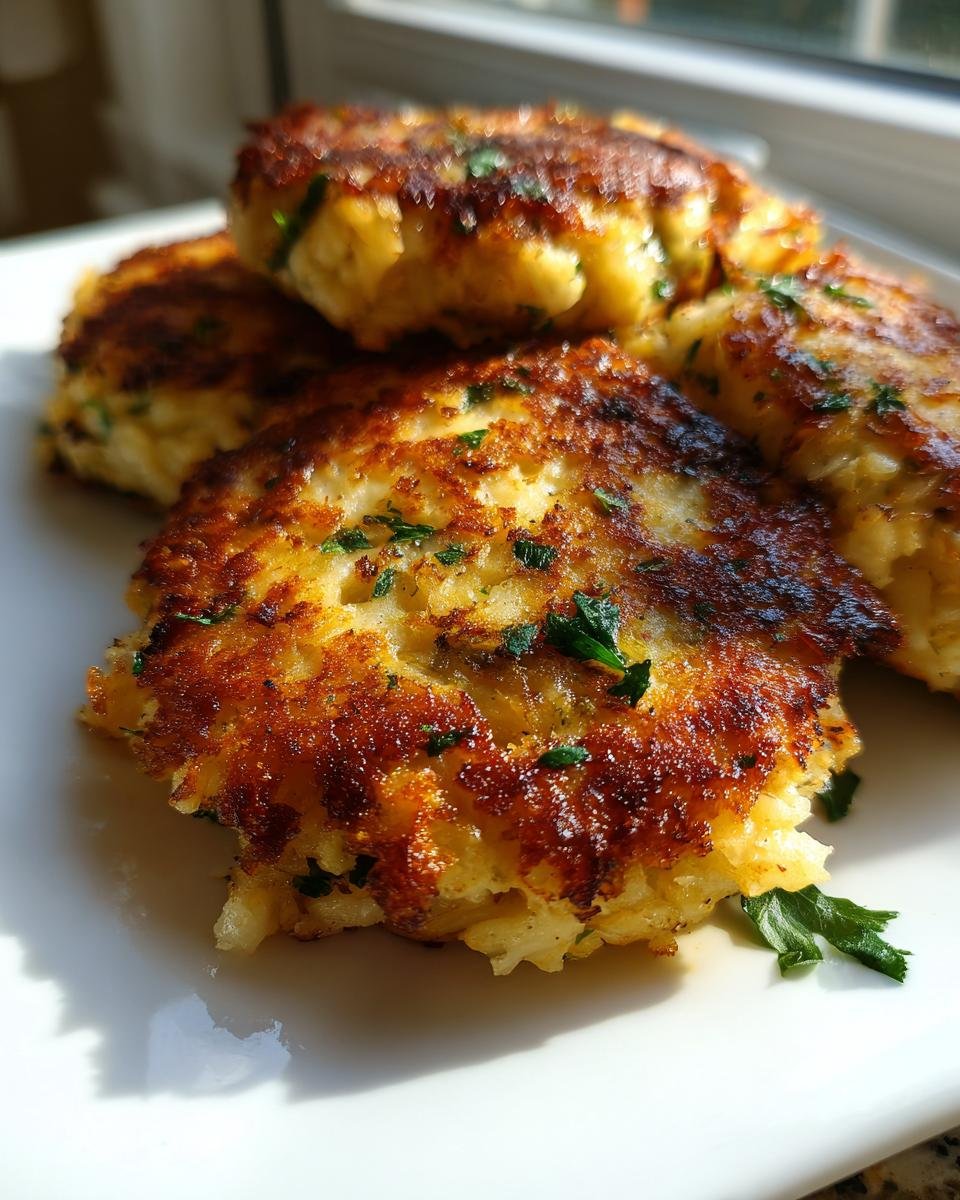
Ugh, sticky cakes are the worst! It completely ruins the crust. Usually, sticking comes down to two things, and neither has anything to do with how you mixed them. First, is your pan hot enough? If the cooking fat (butter or oil) isn’t hot right away, the crab meat just soaks up the fat instead of searing, causing sticking. You need that initial sizzle when they hit the pan!
Second, are you using enough fat? Even when I use butter, I usually add a little neutral oil because the butter tends to burn too quickly before the crab cake is fully golden. If the pan looks dry halfway through cooking, add just a teaspoon more oil around the edges. Also, don’t forget that trick I mentioned: chilling the formed patties for 30 minutes beforehand makes them much more robust and less likely to crumble or stick when you flip them!
Estimated Nutritional Snapshot
It’s good to have a ballpark idea of what goes into these delicious treats! Since this recipe uses lump crab meat and minimal filler, the protein really shines through. Keep in mind these numbers are just estimates based on the standard measurements provided; your actual results will vary depending on the specific brands of mayonnaise, the exact amount of Old Bay you use, or if you use more or less oil for frying.
Here’s a rough breakdown of what you’re looking at for one average-sized **Easy Crab Cake**:
- Serving Size: 1 crab cake
- Calories: Approximately 300
- Protein: Around 20 grams
- Fat: About 18 grams total (mostly unsaturated, fantastic!)
- Carbohydrates: Low, generally around 12 grams
It’s a surprisingly great source of protein for such a quick recipe! Enjoy every bite!
Estimated Nutritional Snapshot
It’s good to have a ballpark idea of what goes into these delicious treats! Since this recipe uses lump crab meat and minimal filler, the protein really shines through. Keep in mind these numbers are just estimates based on the standard measurements provided; your actual results will vary depending on the specific brands of mayonnaise, the exact amount of Old Bay you use, or if you use more or less oil for frying.
Here’s a rough breakdown of what you’re looking at for one average-sized **Easy Crab Cake**:
- Serving Size: 1 crab cake
- Calories: Approximately 300
- Protein: Around 20 grams
- Fat: About 18 grams total (mostly unsaturated, fantastic!)
- Carbohydrates: Low, generally around 12 grams
- Sugar: Just 2 grams
- Sodium: About 550 mg (Remember, Old Bay and Worcestershire add up!)
It’s a surprisingly great source of protein for such a quick recipe! Enjoy every bite!
Print
Easy Crab Cakes
- Total Time: 25 min
- Yield: 4 servings 1x
- Diet: Low Fat
Description
Simple recipe for preparing classic crab cakes.
Ingredients
- 1 pound lump crab meat
- 1/2 cup mayonnaise
- 1 large egg, lightly beaten
- 1 tablespoon Dijon mustard
- 1 tablespoon Worcestershire sauce
- 1/4 cup bread crumbs
- 1 tablespoon fresh parsley, chopped
- 1/2 teaspoon Old Bay seasoning
- Salt and pepper to taste
- 2 tablespoons butter or oil for cooking
Instructions
- Gently pick through the crab meat to remove any shell fragments. Place the crab meat in a medium bowl.
- In a separate small bowl, whisk together the mayonnaise, egg, Dijon mustard, Worcestershire sauce, bread crumbs, parsley, and Old Bay seasoning.
- Pour the wet mixture over the crab meat. Gently fold the ingredients together until just combined. Do not overmix.
- Form the mixture into 4 to 6 equal-sized patties.
- Heat the butter or oil in a large skillet over medium heat.
- Carefully place the crab cakes in the hot skillet. Cook for 4 to 5 minutes per side, until golden brown and heated through.
- Remove from the skillet and serve immediately.
Notes
- For firmer cakes, chill the formed patties for 30 minutes before cooking.
- Serve with lemon wedges or your preferred sauce.
- Prep Time: 15 min
- Cook Time: 10 min
- Category: Dinner
- Method: Pan Frying
- Cuisine: American
Nutrition
- Serving Size: 1 crab cake
- Calories: 300
- Sugar: 2
- Sodium: 550
- Fat: 18
- Saturated Fat: 4
- Unsaturated Fat: 14
- Trans Fat: 0
- Carbohydrates: 12
- Fiber: 1
- Protein: 20
- Cholesterol: 150
Keywords: crab cakes, easy recipe, seafood, quick dinner, lump crab meat