
Oh my gosh, is there anything better than reaching the end of a big meal and seeing something wonderfully rich, sweet, and cool waiting for you? I seriously live for desserts like that! Nothing beats the moment you sink your fork into something silky smooth, and today, I’m sharing my game-changer recipe for a truly spectacular Coconut Cream Pie. This isn’t one of those overly fussy recipes that takes all day, either. It’s straightforward, rich, and delivers that deeply satisfying coconut flavor we all crave. I love making this pie because the filling sets up perfectly every single time, and honestly, smelling that toasted coconut makes my kitchen feel like a beach vacation!

Why This Coconut Cream Pie Recipe Works So Well
I know there are a million coconut recipes out there, but this one just hits different, trust me. It moves quickly, and you don’t need a candy thermometer or three hours of standing over the stove. It’s just pure, honest, creamy goodness!
Here is why I keep coming back to this recipe again and again:
- The filling ends up unbelievably creamy because we cook the cornstarch just right—it’s thick without being gluey!
- It relies on simple pantry staples. Seriously, you probably have most of this on hand right now, which is why it’s perfect for a surprise weeknight dessert.
- It is fantastic for making ahead of time. The chilling time is non-negotiable for that perfect set, so you can easily whip this up the day before a party.
- We don’t mess around with substitutes! Using full-fat coconut milk means maximum richness, which is what you want in a coconut coconut dessert, right?
Essential Ingredients for the Best Coconut Cream Pie
Okay, let’s talk ingredients because this is where the magic truly starts for a top-tier coconut cream pie. We aren’t adding twenty extra things here; we are focusing on quality where it counts. The texture of the filling is everything, and that brings me to my number one rule:
You absolutely have to use full-fat coconut milk—no light stuff! Light coconut milk just won’t give you that pudding-like density we are aiming for. It thins out too much when heated, and we need that richness from the fat to create a truly luxurious custard that holds its shape when sliced. Don’t skimp here; this is critical for success!
For the Creamy Coconut Cream Pie Filling
This list is for the heart of the pie—that incredibly silky, sweet base. Make sure your crust is already baked and cooling when you start whipping this up!
- 1 (9 inch) pre-baked pie crust (Yes, save time, use pre-baked!)
- 1 (13.5 ounce) can full-fat coconut milk (The star!)
- 1/2 cup granulated sugar
- 1/4 cup cornstarch (Our thickening secret weapon)
- 1/4 teaspoon salt
- 2 large egg yolks (They add richness, so don’t skip them!)
- 1 tablespoon unsalted butter
- 1 teaspoon vanilla extract
- 1 cup sweetened flaked coconut, toasted (This is so important for flavor!)
For the Whipped Cream Topping
This topping has to be light and airy to contrast with that dense, cool filling. We use a slightly different vanilla extract measurement here, just for the freshest flavor.
- 1 cup heavy whipping cream
- 2 tablespoons powdered sugar
- 1/2 teaspoon vanilla extract
Ingredient Notes and Tips for a Perfect Coconut Cream Pie
Listen, the ingredient list looks simple, but a few tiny steps make the difference between a good filling and a truly legendary one. I used to skip the toasting part when I was rushing, and honestly, the pie was just *fine*. Then I learned that toasting the coconut wakes up all that nutty, tropical flavor we want!
Toasting the Coconut: Don’t Walk Away!
The note in the recipe says to toast the flaked coconut in a dry skillet, and I have to back that up one hundred percent. I use medium heat—never high! You have to stay right there stirring it constantly. Seriously, walk away for thirty seconds to grab your phone, and you’ll go from golden brown to charcoal dust before you can say “Coconut Cream Pie.” Stir it, shake the pan, keep those flakes moving until they are beautifully golden around the edges. Once you pull them out, spread them on a plate to cool quickly so they don’t keep cooking in the hot skillet.
Why You Must Use a Pre-Baked Crust
This recipe is designed around a pre-baked crust, and for good reason! Our filling is more of a delicate, creamy custard than a heavy, flour-based batter. If you tried to bake this filling in an uncooked crust, two things would happen: first, the bottom crust would be soggy, and second, the filling likely wouldn’t set properly because the oven temperature requirements are so different.
Since we are just gently cooking the custard on the stovetop, that crust needs to be perfectly flaky and crisp beforehand. If you’re feeling ambitious and want to learn how to make your own crust from scratch, I have a great guide on making homemade flaky pastry cream bases that you can adapt!
Temperature Matters for the Egg Yolks
One thing that separates the pros from the amateurs is tempering the egg yolks. It sounds fancy, but it’s just smart cooking! When you pour those hot liquids into the yolks too fast without mixing, you end up with sweet scrambled eggs floating in your custard base. Ouch. Slowly pouring the hot mixture into the yolks while whisking vigorously—that’s how you gently warm them up so they incorporate smoothly into the rest of the filling.
Step-by-Step Instructions to Make Coconut Cream Pie
Alright, this is where we put all those beautiful ingredients to work! Don’t panic when you see the egg tempering step; it’s easier than it sounds, and it’s the difference between a velvety smooth pie and a lumpy mess. I’m breaking this down into two main phases: getting that gorgeous filling cooked, and then getting the whole masterpiece chilled and topped.
We are aiming for perfectly cooked custard here. Remember, the goal is thick, not violently boiling! If you rush the heat, you’ll ruin the texture we worked so hard for in the ingredient section. If you want to check out how I handle similar fillings, take a peek at my guide for making a one-bowl peanut butter cream pie, because the custard technique is very similar.
Preparing the Thick Coconut Cream Pie Custard Base
Get your pre-baked crust sitting on the counter ready to go. We move fast once we start cooking the filling!
- First thing: In a medium saucepan—not too big, we want some depth—whisk together your coconut milk (the full fat one!), the granulated sugar, the cornstarch, and the salt. Whisk until you see no snowy patches of cornstarch left.
- Place the pan over medium heat. Now, this is important: stir constantly! You need to keep that bottom moving so nothing scorches. You want the mixture to thicken up so it coats the back of a spoon nicely. This usually takes about 8 to 10 minutes. Keep watching so it doesn’t boil too rapidly.
- While that’s thickening, grab a small bowl and whisk up those two large egg yolks really well.
- Now for the temper step! Slowly, slowly whisk about half a cup of that hot coconut mixture right into the egg yolks. You are basically warming the yolks up so they don’t seize when they hit the hot pan.
- Pour that warm yolk mixture right back into the saucepan with the rest of the coconut mixture. Keep stirring constantly over medium-low heat for just one more minute. Remember, we are gently cooking the yolks, so don’t let it boil again!
- Take the pan off the heat immediately. Stir in the tablespoon of butter and the 1 teaspoon of vanilla extract until everything is melted and silky smooth.
- Finally, stir in half a cup of that beautiful, toasted flaked coconut. That’s going right into the custard for flavor infusion!
Chilling and Finishing the Coconut Cream Pie
This next part is pure patience, but it sets the whole Coconut Cream Pie up for success!
- Pour that warm, fragrant filling right into your waiting, pre-baked pie crust. Now, you must prevent a skin from forming! Take a piece of plastic wrap and gently press it directly onto the surface of the filling. Don’t leave an air gap!
- Transfer the pie to the fridge. It needs to chill until it’s completely firm. And I mean *firm*—plan on at least 3 hours, but overnight is honestly even better. The filling must be rock solid before you touch it with whipped cream.
- When you’re ready to serve, grab your heavy whipping cream. Whip it up with the powdered sugar and the half teaspoon of vanilla extract until you get stiff peaks. You want peaks that hold their shape when you lift the whisk—no soft dollops allowed!
- Spread or pipe that gorgeous whipped cream right on top of your chilled, set filling. Sprinkle the rest of your toasted coconut flakes right over the top for that perfect finish.
Slice it up immediately after topping, and get ready for the applause!
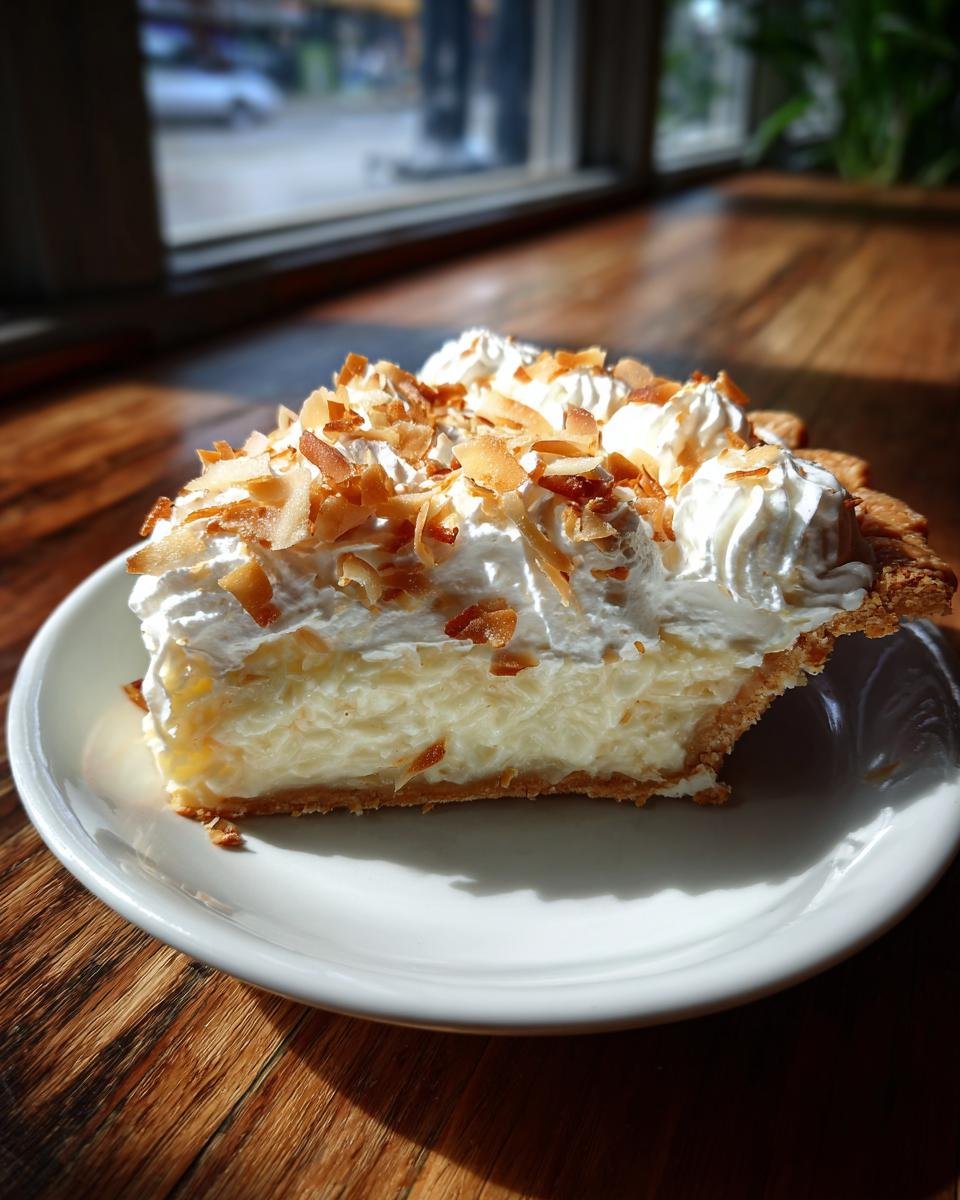
Tips for Success When Making Your Coconut Cream Pie
We’ve covered the basics, but I want to give you a few little secrets I picked up over the years that guarantee this Coconut Cream Pie is always flawless. People always ask me how I get the filling so perfectly smooth, and it usually comes down to two things: timing the heat and being diligent with the whisking!
If you master these small presentation points, everyone will swear you bought this pie from a fancy bakery. It’s all about layering that texture!
Make Sure Your Custard Cools Evenly
When you take that saucepan off the heat after adding the butter and vanilla, you need to let that custard sit for a minute before pouring it into the warm crust. If the filling is scalding hot, it can sometimes steam the bottom of your pre-baked crust, making it soft where we want it crisp. Let it cool on the counter for about five minutes while you get the crust ready. It should still be very warm, but not actively bubbling hot when it goes into the pie shell. That five-minute pause makes a huge difference in crust integrity!
The Gentle Skin Prevention Trick
I stressed this already, but I’m saying it again because it’s crucial: plastic wrap touching the surface! If you let the filling cool uncovered, you get that awful, rubbery skin that you have to peel off before adding the whipped cream. It’s disappointing! I swear by pressing the plastic wrap right down onto the coconut custard. For an extra fun presentation, I sometimes press the plastic only around the edges where the custard meets the crust, letting the center stay exposed. Then, when the pie is chilled, I only peel off the plastic from the outer ring, leaving the center perfectly smooth for decorative piping later on!
Whipping Cream Temperature
When you’re making the topping, remember that heavy whipping cream whips up much better when it’s cold. I actually like to put my mixing bowl and the whisk attachment into the freezer for about ten minutes before making the whipped cream. That blast of cold helps those fat molecules stabilize quickly, meaning you get those stiff peaks faster, which equals less chance of over-whipping it into butter! If you’re looking for ways to substitute ingredients in other baking adventures, I’ve written a ton about how to even make your own cake flour substitute in a pinch.
The Toasted Coconut Sprinkle Strategy
Don’t just dump all that remaining toasted coconut in a big pile on the top center. To make your pie look truly professional, sprinkle it evenly across the entire surface of the whipped cream. If you want a little dramatic flair, you can also lightly toast *a few extra* flakes to use as a garnish only around the very edge, just above where the filling peeks out. It adds dimension and reminds everyone what deliciousness hides underneath!
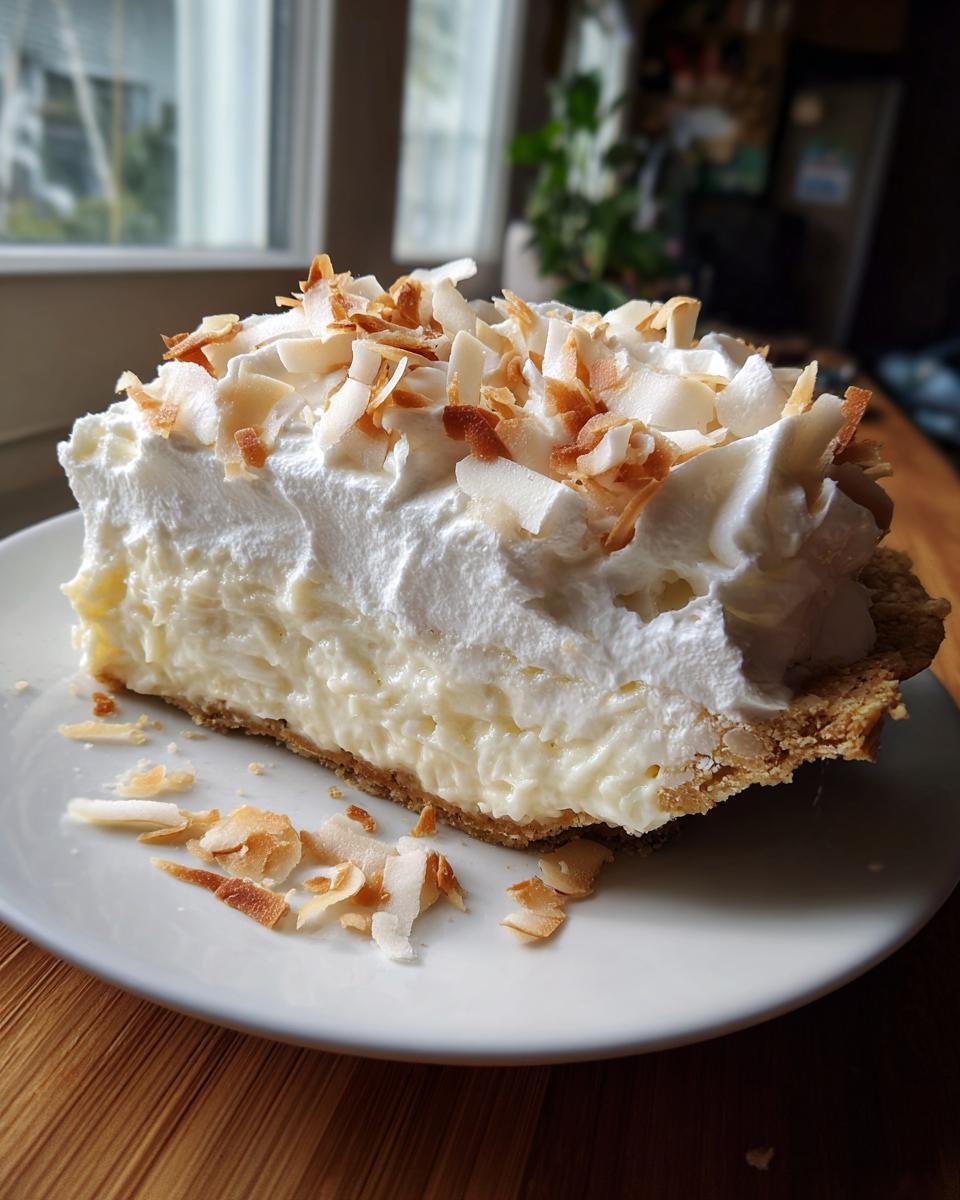
Serving Suggestions for Your Creamy Coconut Cream Pie
Once you’ve got this gorgeous, towering dessert out of the fridge, you have to think about how you’re going to present it. It’s already pretty stunning, topped with all that fluffy white cream and golden coconut flakes, but a few fun additions can totally elevate the experience, especially if you’re serving it after a special dinner.
I like to think of presentation as the final flourish. It’s a rich dessert, so we don’t need heavy sides, just little touches that play off that tropical sweetness.
Enhancing the Whipped Cream Topping
The whipped cream is the perfect canvas for a little extra something. If you made the topping stiff enough, you’ll have those nice defined peaks. For a warm contrast, try drizzling just a tiny bit of dark chocolate ganache right over the top after you sprinkle the coconut. You don’t want much—just thin ribbons. The slight bitterness of the dark chocolate cuts through the sweetness of the coconut filling beautifully. It looks fancy, but it takes two seconds!
Another idea is a little freshly grated lime or orange zest sprinkled over the top just before serving. Citrus and coconut are soulmates! It adds a bright color and a wonderful, fresh aroma that hits you before the first bite.
The Perfect Drink Pairing
Since this pie is so creamy and rich, you want a beverage that cleanses the palate a little bit. We aren’t talking about heavy coffee here! I love serving this pie alongside a cold, slightly tart drink. Think about making a simple, strong iced tea with mint, or if you want something fun and completely indulgent, you can whip up some amazing chocolate milkshakes for everyone, which is always a huge hit, especially with younger guests.
For an adult accompaniment, a tiny glass of dark rum or a nice quality sweet dessert wine pairs surprisingly well because the vanilla and coconut notes really come forward.
Serving Temperature Matters
This pie must be served cold! If you let it sit out on the counter while you’re eating dinner, the filling will get soft really fast. I usually take the pie out of the fridge about ten minutes before slicing. That slight warming allows the flavor of the coconut milk and vanilla to really bloom without causing the structure to collapse. You want that firm, beautiful slice to stand up on the plate, not start weeping!
Storage and Make-Ahead Tips for Coconut Cream Pie
One of the best things about this creamy dessert is how much planning you can do ahead of time! Listen, if you’re hosting a big gathering, baking the day before saves your sanity. You want to know exactly how long this beauty will last, though, because who wants to waste leftovers?
The biggest thing to remember with any cream pie is that the topping and the filling don’t love sitting together for too long in the fridge, but the filling base is super sturdy. Think of your pie in two separate stages: the custard filling, and the fully assembled pie. If you are looking for ways to preserve other fresh ingredients for later use, I’ve got a great post about how to freeze fresh herbs in olive oil—but that logic doesn’t apply to this pie!
Making the Filling Ahead of Time
If you are prepping things way in advance, definitely make the coconut cream pie filling first. Once you cook it, you pour it into that pre-baked crust, cover it directly with plastic wrap like I showed you, and stick it in the fridge. It will set up beautifully. You can easily keep the filled, unfilled crust (just cover it tightly!) in the fridge for up to two days.
The custard itself is stable for about three days in the fridge, even before you top it. This is great! You can make it on Tuesday and still have it taste amazing on Thursday. Just wait to add the whipped cream topping until the day you plan to serve it. Seriously, you can’t freeze this pie filling successfully, so save the fridge space!
Assembling and Storing the Finished Pie
Once you add that beautiful layer of whipped cream, the clock starts ticking a little faster for peak freshness. You want to finish and serve the pie within 24 hours of applying the whipped topping. Why? Because the moisture from the custard starts to soften the cream, and the toasted coconut starts to lose its crispness when sitting on top of the cream.
For maximum texture appeal—that crisp coconut, that firm custard, that fluffy topping—serve it the day you assemble it. If you have leftovers, they will absolutely still taste delicious the next day, but the whipped cream might start to look a little less structured. Just cover the whole thing loosely with foil or an overturned bowl and keep it cold. You can usually stretch leftovers of the assembled Coconut Cream Pie to about 36 hours, but I doubt you’ll have any left!
Can You Freeze Coconut Cream Pie?
No! Absolutely do not freeze this pie once it’s assembled. The high moisture content, plus the dairy in the cream, means you’ll end up with a watery, weeping mess when it thaws. The structure just won’t hold up. If you feel like you need to freeze something, make a few extra batches of the crust and freeze those baked shells wrapped tightly in plastic film—that’s a total win for future baking!
Frequently Asked Questions About Coconut Cream Pie
I always get so many questions after people try this recipe because it’s the best coconut dessert they’ve ever made! It’s natural to have a few worries, especially around the custard setting up correctly. Here are the most common things folks ask me when they’re attempting their first perfect pie.
Why is my filling runny even after chilling?
Ugh, the dreaded runny filling! This almost always comes down to two things: not enough heat during cooking, or not enough time to chill. Remember how I said you need the mixture to coat the back of a spoon? If you pull it off the heat too soon, the cornstarch hasn’t activated fully to thicken everything. That’s the culprit 90% of the time. Also, make sure you are using the full amount of cornstarch listed. If you’re convinced you cooked it long enough, the other issue might be trying to rush the chilling phase. That three hours (or better yet, overnight) is when the structure truly sets. Don’t serve it early!
Can I skip the egg yolks? I prefer a purely no-bake filling.
That is a great question, especially if you’re nervous about tempering! If you skip the egg yolks, you are no longer making a true custard pie; you have to use something else as that binder. If you really want a fully no-bake filling, you can try replacing the cornstarch and the egg yolks with a mixture of cream cheese and powdered sugar, similar to how you make a no-bake cheesecake base. However, you absolutely cannot just leave them out! The yolks give this pie its distinct richness and deeper yellow color that really complements the toasted coconut. If you’re serious about sticking to the original recipe, learning that quick temper step is worth the effort!
What’s a good substitute for sweetened flaked coconut?
For the filling, you need that sweetened, flaked variety because the sugar content helps dissolve and melt nicely into the custard base. If you only have unsweetened coconut, you must add about a teaspoon of extra sugar to the filling mixture to compensate—otherwise, it will taste flat. For the topping, you can use shredded, sweetened coconut if you absolutely must, but the flakes offer a superior texture contrast against the smooth cream. If you’re ever in doubt about ingredient swaps, check out my thoughts on how I handle ingredient changes over on my post about making a no-bake cheesecake; the logic on needing fat or starch remains the same!
Can I use milk instead of coconut milk for a lighter pie?
You certainly *could* use regular dairy milk, but then you are losing the entire point of a Coconut Cream Pie! You’d just end up with a vanilla cream pie that happens to have coconut flakes floating in it. The flavor profile changes completely, and sadly, the texture will suffer. Like I stressed before, if you are set on keeping this recipe rich and authentic, you have to stick with full-fat coconut milk. It’s what makes this specific coconut dessert so intensely flavorful!
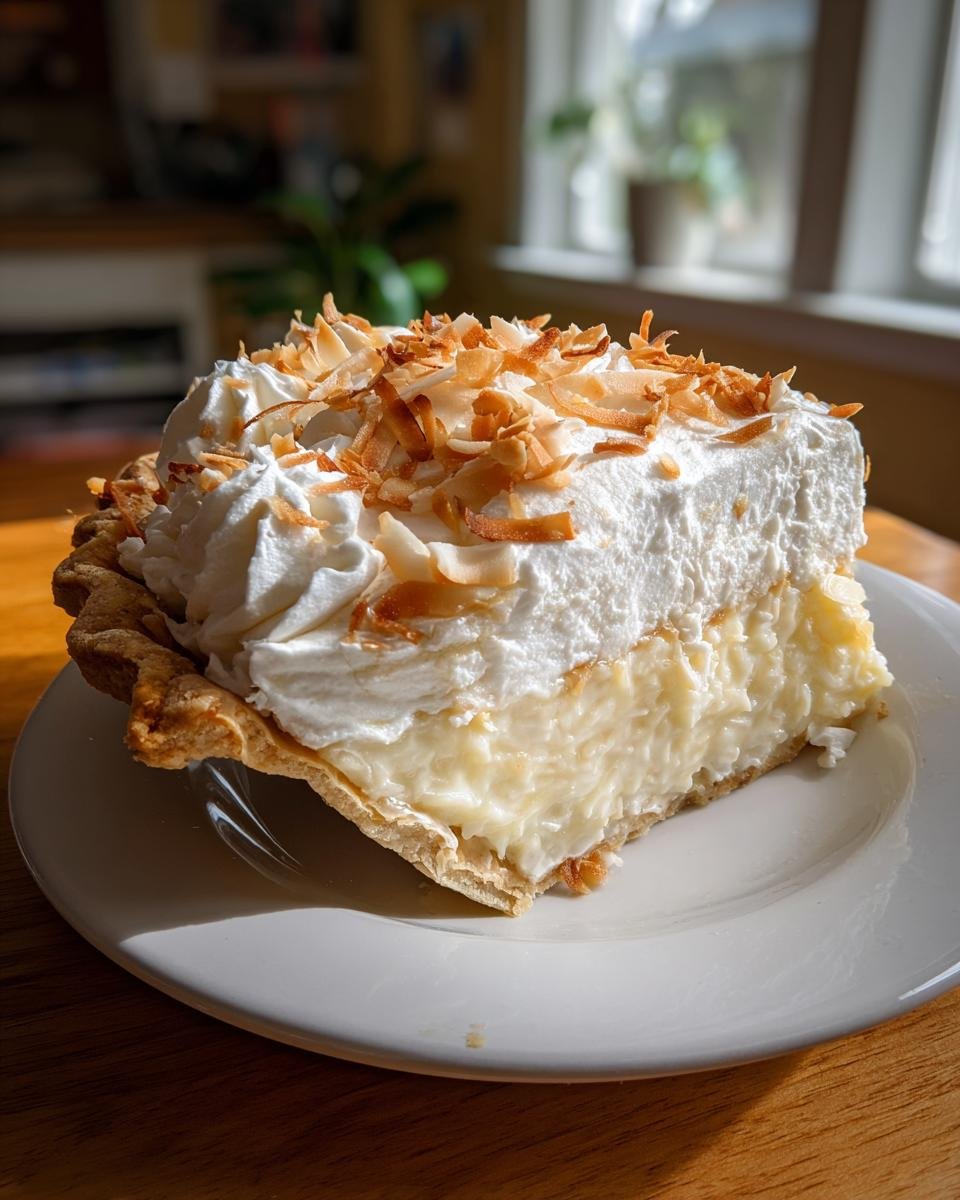
Estimated Nutritional Snapshot for Coconut Cream Pie
I know lots of folks track their macros or double-check sugar content before diving into a decadent treat like this. While home recipes are always estimates because ingredient brands vary so much, here is a general idea of what one slice of this Coconut Cream Pie might look like based on the ingredients used. Keep in mind that adding extra whipped cream or serving it with coffee dramatically changes the final tally!
Per serving (1 slice, 1/8th of the pie), you are generally looking at around 410 calories. That sugar content clocks in around 35 grams, which isn’t surprising for a dessert this rich! We’re seeing about 25 grams of fat total, and it delivers a nice 5 grams of protein. If you are watching sodium, it’s quite manageable at only 210mg per slice, thanks to the relatively small amount of salt we add to the base to balance the sweetness.
Share Your Perfect Coconut Cream Pie Experience
I honestly hope you give this recipe a try! Seriously, when you pull that finished pie out of the fridge, topped with that gorgeous whipped cream and toasted coconut, you’ll feel like a baking superstar. It’s so rewarding. I want to see your results! When you nail that perfect slice, please come back here and drop a star rating at the bottom so other readers know it’s a winner.
Let me know in the comments below what your favorite part was. Was it the smell of the toasted coconut filling your house? Or was it that first cool, creamy bite? Don’t be shy—tell me how your Coconut Cream Pie turned out! If you snapped a picture, feel free to tag me on social media. Happy baking, everyone!
Estimated Nutritional Snapshot for Coconut Cream Pie
I know lots of folks track their macros or double-check sugar content before diving into a decadent treat like this. While home recipes are always estimates because ingredient brands vary so much, here is a general idea of what one slice of this Coconut Cream Pie might look like based on the ingredients used. Keep in mind that adding extra whipped cream or serving it with coffee dramatically changes the final tally!
Per serving (1 slice, 1/8th of the pie), you are generally looking at around 410 calories. That sugar content clocks in around 35 grams, which isn’t surprising for a dessert this rich! We’re seeing about 25 grams of fat total, and it delivers a nice 5 grams of protein. If you are watching sodium, it’s quite manageable at only 210mg per slice, thanks to the relatively small amount of salt we add to the base to balance the sweetness.
For those watching fat intake, remember that about 18 grams of that fat is saturated, primarily coming from the full-fat coconut milk and the butter. Carbohydrate-wise, you’re looking at around 45 grams, with just 2 grams of dietary fiber. This is definitely a special occasion treat, but wow, is it worth every single calorie!
Share Your Perfect Coconut Cream Pie Experience
I honestly hope you give this recipe a try! Seriously, when you pull that finished pie out of the fridge, topped with that gorgeous whipped cream and toasted coconut, you’ll feel like a baking superstar. It’s so rewarding. I want to see your results! When you nail that perfect slice, please come back here and drop a star rating at the bottom so other readers know it’s a winner.
When you’re rating it, give me the full picture—was the custard perfectly set? Did your coconut toast up beautifully? I put so much heart into perfecting this recipe, and seeing your success is the best part of my day!
Let me know in the comments below what your favorite part was, too. Was it the smell of the toasted coconut filling your house while it cooked? Or was it that first cool, creamy bite of the finished Coconut Cream Pie? Don’t be shy—tell me how it turned out! If you snapped a picture while you were making it or serving it, feel free to tag me on social media so I can admire your masterpiece. Happy baking, everyone!”
Print
Simple Coconut Cream Pie
- Total Time: 35 min
- Yield: 8 servings 1x
- Diet: Vegetarian
Description
A straightforward recipe for a rich and creamy coconut cream pie with a flaky crust.
Ingredients
- 1 (9 inch) pre-baked pie crust
- 1 (13.5 ounce) can full-fat coconut milk
- 1/2 cup granulated sugar
- 1/4 cup cornstarch
- 1/4 teaspoon salt
- 2 large egg yolks
- 1 tablespoon unsalted butter
- 1 teaspoon vanilla extract
- 1 cup sweetened flaked coconut, toasted
- 1 cup heavy whipping cream
- 2 tablespoons powdered sugar
- 1/2 teaspoon vanilla extract
Instructions
- In a medium saucepan, whisk together the coconut milk, granulated sugar, cornstarch, and salt.
- Cook over medium heat, stirring constantly, until the mixture thickens enough to coat the back of a spoon, about 8 to 10 minutes. Do not let it boil rapidly.
- In a small bowl, whisk the egg yolks. Temper the yolks by slowly whisking about 1/2 cup of the hot coconut mixture into the yolks.
- Pour the tempered yolk mixture back into the saucepan with the remaining coconut mixture. Cook over medium-low heat, stirring constantly, for 1 minute more. Do not boil.
- Remove from heat. Stir in the butter and 1 teaspoon of vanilla extract until the butter melts.
- Stir in 1/2 cup of the toasted flaked coconut.
- Pour the filling into the pre-baked pie crust. Cover the surface directly with plastic wrap to prevent a skin from forming. Chill for at least 3 hours, or until completely firm.
- When ready to serve, beat the heavy whipping cream, powdered sugar, and 1/2 teaspoon vanilla extract until stiff peaks form.
- Spread or pipe the whipped cream over the chilled filling. Sprinkle the remaining 1/2 cup of toasted coconut over the top.
- Slice and serve immediately.
Notes
- Toast the flaked coconut in a dry skillet over medium heat, stirring often, until golden brown. Watch carefully as it burns quickly.
- For best results, use full-fat coconut milk, not the light version.
- Prep Time: 20 min
- Cook Time: 15 min
- Category: Dessert
- Method: Stovetop/Chilling
- Cuisine: American
Nutrition
- Serving Size: 1 slice
- Calories: 410
- Sugar: 35
- Sodium: 210
- Fat: 25
- Saturated Fat: 18
- Unsaturated Fat: 7
- Trans Fat: 0
- Carbohydrates: 45
- Fiber: 2
- Protein: 5
- Cholesterol: 65
Keywords: coconut cream pie, coconut dessert, creamy pie, no-bake filling, sweet pie