
Oh, the holidays! Truly, nothing beats that feeling when you walk into a kitchen saturated with cinnamon and something baking until it’s just on the edge of being done. For me, that deep, comforting scent means it’s time to make my favourite traditional **Spanish Christmas Desserts**: Polvorones! I remember the first time I tried shaping these—they are notoriously delicate. I ended up with more almond sand on the counter than actual cookies! But once you nail that gentle touch? Wow, you instantly understand why these shortbread beauties are non-negotiable at any Spanish celebration.

Why You Will Love These Traditional Spanish Christmas Desserts
When planning your holiday baking, you absolutely have to carve out time for these! Polvorones stand out from all the other cookies on the platter. I think they are the perfect example of how simple ingredients can turn into something truly magical for our essential list of **Spanish Christmas Desserts**.
- The Texture is Unmatched: Forget your regular shortbread; these melt! Seriously, they just dissolve the second they hit your tongue—it’s that irresistible sandy crumb that makes them famous.
- Simple, Pantry-Friendly Ingredients: You don’t need a million fancy things for these. Flour, sugar, fat, and almonds are the stars here. If you have ground almonds on hand, you’re halfway there!
- Perfect for Gifting (and So Many Cookies!): This recipe makes a huge batch, and because they’re so sturdy (once cooled!), they pack up beautifully. Wrap a few in tissue paper and tie them with twine; instant, traditional homemade gift!
- They Taste Better as They Rest: Unlike some cookies that must be eaten immediately, Polvorones actually deepen in flavor the day after they are made, letting those cinnamon and zest notes really sing.
If you’re looking for other holiday baking inspiration, check out my thoughts on a classic French Christmas dessert sometime too—they’re worlds apart from these Spanish beauties!
Ingredients for Perfect Polvorones: The Key to Authentic Spanish Christmas Desserts
Okay, here is where we get down to business. Making truly authentic **Spanish Christmas Desserts** means respecting the ingredients, especially for Polvorones. You’ll notice the list is short, which means every single item makes a big difference. Don’t skimp on quality here!
- 300 g all-purpose flour (we talk more about this below!)
- 150 g lard OR unsalted butter, softened completely to room temperature
- 100 g finely ground almonds (must be ground!)
- 50 g powdered sugar, plus lots more for that thick, snowy dusting
- 1 teaspoon ground cinnamon (use fresh spice, trust me)
- Zest of 1/2 lemon (just the yellow part, no white pith!)
Ingredient Notes and Substitution Tips
When you look at that list, you might think, “Lard? Really?” Yes, lard is traditional, and if you can use it, you will get that signature crumbly tenderness that defines a real Polvoron. Butter works, of course, but lard yields a slightly richer, more authentic texture. I generally use butter these days for convenience, but the lard version is truly special.
The ground almonds are crucial; these aren’t just for flavor, they are part of the structure! You need that nut flour blended in there tightly. If you only have whole or slivered almonds, you need to pulse them yourself until they look like coarse sand. Don’t substitute this with almond flour unless you absolutely have to, as the texture won’t be quite the same.
Now, here is my favourite pro tip from my abuela (grandmother) that really deepens the flavor: toasting the flour. Before you even think about mixing it with the fat, take that 300g of flour and toast it gently in a dry pan over medium heat. You just want it to smell nutty—like popcorn, but milder. Once it smells fragrant, pull it off the heat immediately, spread it on a tray, and let it cool down completely before adding it to your wet ingredients. It takes your shortbread from good to unforgettable!
Step-by-Step Instructions for Making Spanish Christmas Desserts
Alright, let’s get baking because these **Spanish Christmas Desserts** won’t make themselves! The whole process is pretty fast once you get into the rhythm, but remember the golden rule: gentle hands are essential here. First things first, get that oven preheated to 175 C (350 F). Line a clean baking sheet with parchment paper—this saves you SO much cleanup later, and trust me, you need all your focus on keeping these cookies together.
Now for the mixing. In your biggest bowl, cream together that softened lard or butter with the powdered sugar. You’re looking for a mix that is pale and creamy. It should feel light and fluffy, almost whipped. This initial step is important for distributing the fat evenly before we introduce the dry stuff.
Next, toss in your finely ground almonds, that warm cinnamon, and all that lovely lemon zest. Mix it just until everything looks vaguely combined. Then comes the flour—and this is where most people go wrong! Don’t just dump it all in. Add the flour gradually while mixing everything, and I mean *by hand*! As soon as you see a soft dough starting to come together, stop mixing immediately. Over-handling these develops gluten, and you get a tough cookie instead of a crumbly one. We are aiming for a dough that holds together when gently squeezed.
Once the dough is just combined, it’s time to shape them. I usually grab a little scoop and roll them gently between my palms into small balls, maybe an inch wide. You can also press them into those traditional, thick disc shapes if you have a special mold, but try not to press too hard! Keep them relatively thick, as they won’t spread much.
Place your shaped cookies onto your parchment-lined sheet. If you’re checking out other baking adventures, like my guide to classic chocolate chip cookies, you’ll notice they spread a lot more. Polvorones barely change their shape, which is nice!
Baking and Cooling Tips for Delicate Polvorones
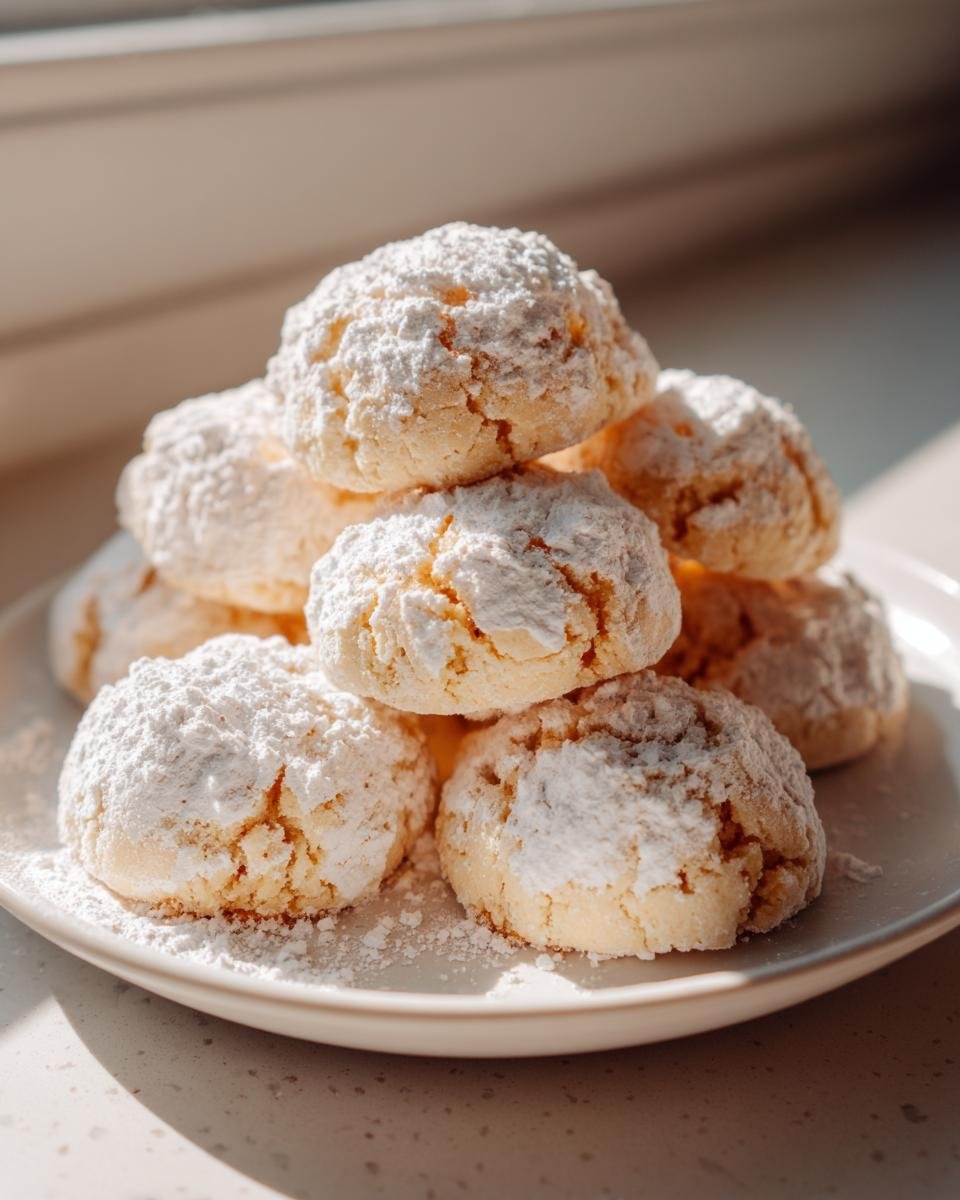
Into the oven they go for about 12 to 15 minutes. Here’s the trick for these **Spanish Christmas Desserts**: you *don’t* want them brown! They should stay very pale, maybe with just the slightest hint of golden color kissing the edges. If the bottoms are turning dark brown, your oven is running too hot, or they are in too long.
When you pull them out, you’ll think, “Oh no, they’re falling apart!” Resist the urge to touch them! They are unbelievably fragile right when they leave that heat. Let them sit right there on the hot baking sheet for about five minutes to firm up just a tiny bit. Don’t even try to move them yet.
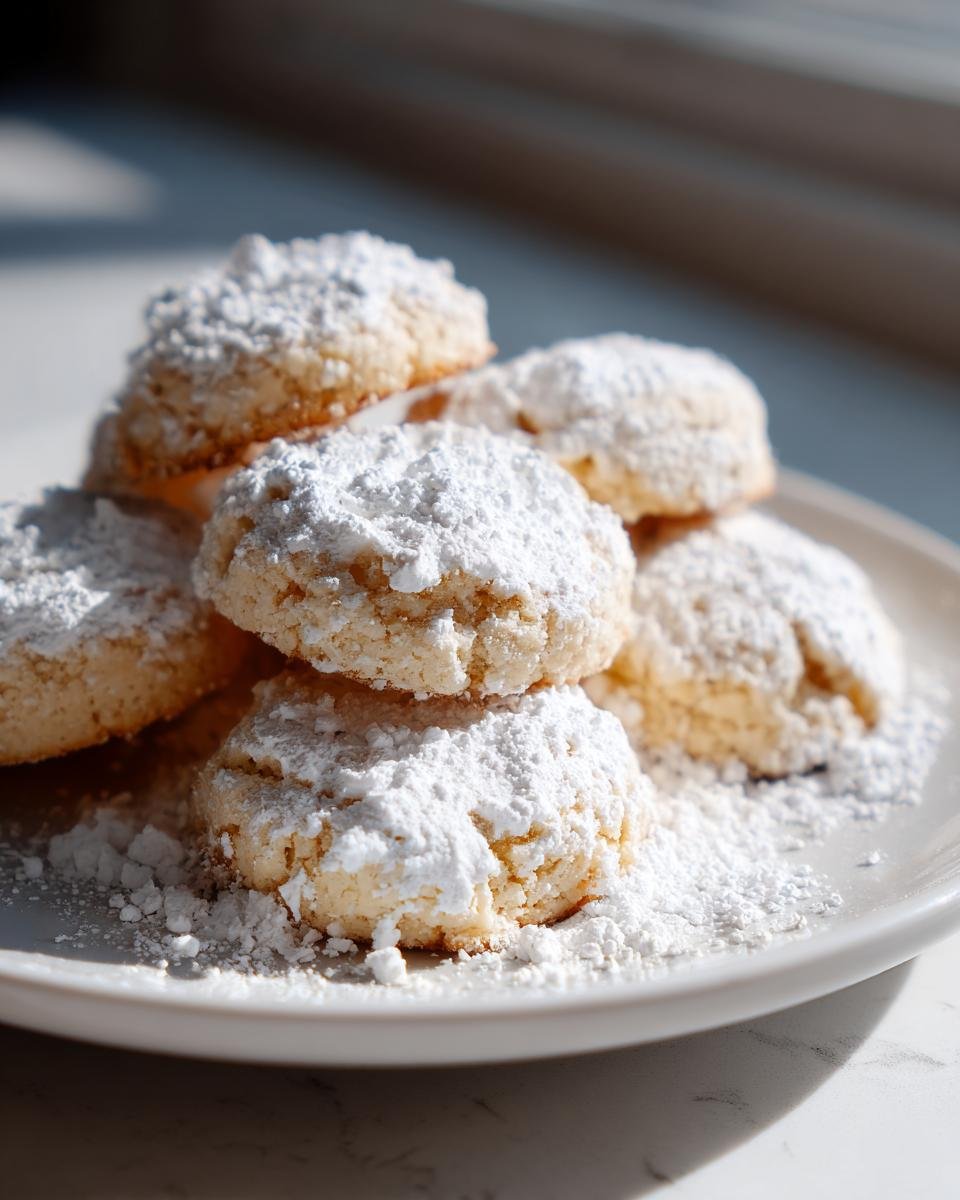
When they are cool enough to handle without completely disintegrating—but still slightly warm—that is the moment! Dust them *generously* with powdered sugar. I mean, really smother them! The warmth helps the first layer adhere beautifully. Once they’ve cooled completely, they’ll set up, and you can move them carefully to your serving platter or storage tins. That warmth is key to locking in that snowy sugar finish!
Expert Tips for Mastering Your Spanish Christmas Desserts
I’ve made these Polvorones so many times over the years, and I’ve definitely learned a few hard lessons along the way—mostly involving wasted almond dough! The true secret to nailing these **Spanish Christmas Desserts** isn’t just the ingredients; it’s respecting how delicate they are before and during baking. You must be careful not to fall into the common traps.
My biggest, most embarrassing mistake when I was first learning? Overmixing the dough after adding the flour. I thought I needed a perfectly smooth ball of dough, like for a regular cookie. Wrong! I ended up with a heavy paste, and when I baked them, they were dense little hockey pucks instead of crumbly clouds. Now, I always stop mixing the second the flour is *just* incorporated. If you need to bring the last bits together, do it by hand on the counter using just a gentle press, not kneading or punching the dough.
Here are a few other things I always do now to guarantee success:
- Chill Time is Your Friend: Even though the recipe doesn’t strictly call for it, if your kitchen is warm or you’re working with butter instead of slightly firmer lard, pop the shaped cookies in the fridge for about 15 minutes before baking. Keeping the fat cold helps them hold shape longer in the oven.
- The Lemon Zest is Non-Negotiable: Don’t skip the zest! It cuts through the richness of the fat and the sweetness of the sugar beautifully, making the cookie taste brighter. It really helps balance the flavor profile of the **Spanish Christmas Desserts** platter.
- Keep Them Pale: I try to keep an eye on them constantly after the 10-minute mark. If you are trying to keep herbs fresh for another time, sometimes I freeze them first, which reminds me of how I preserve my fresh herbs in olive oil—keeping things cold preserves their freshness and structure! Paleness equals perfection here.
When you follow these steps, you move past just following a recipe and start understanding the *why* behind the technique. And that’s when your Polvorones truly become authentic.
Storage and Shelf Life for These Spanish Christmas Desserts
Because these Polvorones are famously crumbly, storage is a surprisingly important step for preserving that melt-in-your-mouth magic! You want to keep the humidity out, or they can get sticky, which we definitely don’t want when dealing with our favorite **Spanish Christmas Desserts**.
The great news is that these cookies do fantastic if you let them rest! I always bake them a couple of days before Christmas Day. The flavors really settle in nicely as they dry out just a tiny bit more outside of the oven.
Here’s how I make sure they last:
- Cool Completely First: This is non-negotiable. You must let them cool all the way down to room temperature before you even think about putting a lid on anything. If you trap any warmth, you’ll get condensation, and that will ruin that beautiful sandy texture we worked so hard for.
- Airtight is Everything: Once completely cool, store them in an airtight container. I prefer tins or heavy-duty snap-top containers over plastic bags. If you use a tin, layer them with fresh parchment paper between the layers so they don’t stick together—remember how fragile they are!
- Keep Them Cool and Dry: Find a cool, dry pantry spot. You don’t need to refrigerate them; in fact, the fridge humidity can sometimes make them damp.
If stored correctly, these **Spanish Christmas Desserts** can easily last two to three weeks. Honestly, ours never last that long! But knowing you can make a big batch ahead of time takes so much stress out of the holiday week. Just handle them like they are made of spun sugar when you move them!
Serving Suggestions for Polvorones
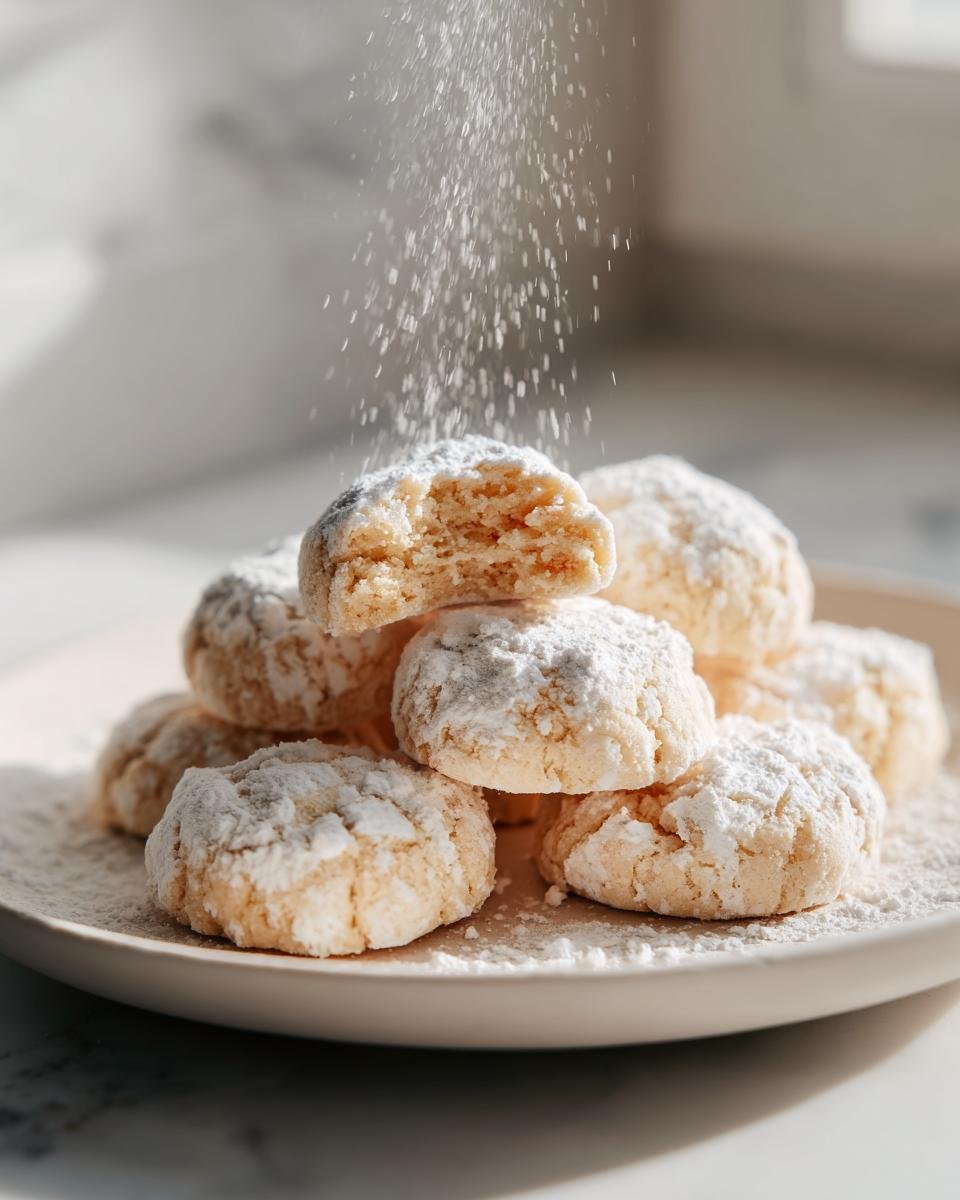
So you’ve got a whole platter of these perfectly crumbly treasures! Now what do you serve them with? Polvorones are delicate, but they are packed with rich almond and butter flavor, so you want drinks that complement that without overpowering them. For me, presentation matters when I’m serving any of my favourite **Spanish Christmas Desserts**.
Keep it traditional! The very best pairings involve strong, dark flavors to cut through the richness of the shortbread. If you’re serving them after a big meal, I always offer thick, dark coffee—a strong espresso or a traditional Spanish café con leche works wonders.
If you’re having an opening of gifts or a late-night gathering, you absolutely must try them alongside a nice glass of sweet dessert wine. A Muscatel or a rich Pedro Ximénez sherry is incredible with the cinnamon notes. It’s a very festive, grown-up pairing!
For a cozy afternoon treat, tea is lovely, but again, keep it bold—think a strong black tea, not a delicate floral blend. These cookies are so good, you might even be tempted to dunk them, but trust me, try not to! They are famous for falling apart if you dunk them too long. If you’re craving something indulgent alongside them, you could even whip up a decadent treat like my ultimate chocolate milkshake—the contrast between the creamy hot chocolate and the sandy cookie is surprisingly good!
Presentation-wise, I just pile them high on a plain white cake stand and let that heavy dusting of powdered sugar do all the talking. They look snowy and perfect!
Frequently Asked Questions About Spanish Christmas Desserts
I know you might still have questions swirling around after trying to tame that fragile dough! That’s completely okay. Polvorones are a bit different from your standard drop cookies, so asking questions shows you’re serious about making the best **Spanish Christmas Desserts** possible. Here are the things I get asked most often when I share this recipe.
Can I make Polvorones without lard?
Oh yes, absolutely! Like I mentioned before, lard is traditional because it gives that unique, slightly crumbly melt-in-your-mouth quality that is characteristic of true Spanish shortbread. But if you can’t find it, or if you just prefer not to use it, softened, high-quality butter works perfectly well as a 1:1 substitute. Just remember that the texture will be a tiny bit firmer than the lard version, but they will still be delicious **almond cookies**!
How long do these Spanish Christmas Desserts last?
Since these cookies are baked low and slow, they don’t hold a ton of moisture, which is great for shelf life! As long as you keep them completely cool and store them in a truly airtight container, they should stay wonderful for at least two, maybe even three weeks. They really don’t need refrigeration, just a cool, dry spot away from the oven heat. They are one of the best **Spanish Christmas Desserts** to make ahead!
Why are my cookies crumbling too much?
This is the million-dollar question when dealing with Polvorones, right? If they are crumbling *too* much—meaning they are falling apart the second you pick them up—it usually boils down to two things. First, you might have under-mixed the dough when combining the flour. You need just enough mixing for the flour to bind the fat and sugar, creating that signature sandy structure. Second, if you toasted your flour, make sure it was **completely cold** before mixing it in! If warm flour hits the cool butter/lard, it melts the fat too fast, ruining your structure before it ever hits the oven. If you want to see how other cultures handle tricky baking, take a peek at my notes on Italian desserts; structure is everything!
Nutritional Estimate for Polvorones
Now, I know when we’re baking treasures like Polvorones, we aren’t usually doing it because we are counting every macro, but sometimes it’s helpful to have a general idea of what’s in these delicious **Spanish Christmas Desserts**. So, here is an approximate nutritional breakdown. Remember, this is just an estimate based on using butter instead of lard for the calculations, and it’s based on the recipe yielding about 20 cookies.
If you use lard, the fat profile will shift a bit, but the general idea stays the same—these are rich little treats because they are made with love (and a good amount of fat!). Don’t stress over these numbers too much; they are meant for holiday enjoyment, not daily dieting!
- Serving Size: 1 cookie
- Calories: ~150 calories
- Fat: ~9g
- Saturated Fat: ~4g
- Carbohydrates: ~15g
- Sugar: ~5g
- Protein: ~3g
- Cholesterol: ~15mg (This will vary more depending on whether you use butter or lard!)
- Fiber: ~1g
Seriously, just enjoy them with a strong cup of coffee. These little rounds of buttery, almond joy are worth every little bit of indulgence during the holiday season!
Share Your Spanish Christmas Desserts Experience
I’ve shared all my secrets, my little family stories, and every single warning about keeping these Polvorones intact. Now it’s your turn! Baking is always better when you can share the results, isn’t it?
I absolutely love hearing how these turn out in your kitchens. Did you use butter or did you bravely go for the traditional lard? Did you manage to toast your flour until it smelled just right? Tell me everything!
If you made these **Spanish Christmas Desserts**, please leave a star rating right down below—it helps other bakers know if they should trust my grandmother’s old methods (Spoiler: they should!). And if you snapped a picture of your beautifully dusted, crumbly creations, share them on social media and tag me so I can see your festive spread!
If you have any lingering questions that I somehow missed covering, or if you want to tell me how you served them—maybe with a special drink or alongside another of your favorite **Spanish Christmas Desserts**—don’t hesitate to drop a comment or shoot me a message through my contact page. Happy holidays and happy baking, friends!
Print
Polvorones (Spanish Shortbread Cookies)
- Total Time: 35 min
- Yield: About 20 cookies 1x
- Diet: Vegetarian
Description
Traditional Spanish shortbread cookies made with ground almonds, flour, and lard or butter, often flavored with cinnamon and lemon zest.
Ingredients
- 300 g all-purpose flour
- 150 g lard or butter, softened
- 100 g ground almonds
- 50 g powdered sugar, plus extra for dusting
- 1 teaspoon ground cinnamon
- Zest of 1/2 lemon
Instructions
- Preheat your oven to 175 C (350 F). Line a baking sheet with parchment paper.
- In a large bowl, combine the softened lard or butter with the powdered sugar. Mix until creamy.
- Add the ground almonds, cinnamon, and lemon zest to the butter mixture. Mix well.
- Gradually add the flour to the mixture, mixing by hand until a soft dough forms. Do not overmix.
- Roll the dough into small balls, about 1 inch in diameter, or shape them into traditional thick discs.
- Place the cookies on the prepared baking sheet.
- Bake for 12 to 15 minutes, or until the edges are lightly golden. They should remain pale.
- Remove from the oven and let them cool slightly on the baking sheet.
- While still warm, dust generously with extra powdered sugar.
- Let the cookies cool completely before serving or storing.
Notes
- For a richer flavor, toast the flour lightly in a dry pan over medium heat until fragrant before mixing it into the dough. Let it cool completely first.
- You can substitute butter for lard for a slightly different texture.
- These cookies are very delicate when warm; handle them carefully until they set upon cooling.
- Prep Time: 20 min
- Cook Time: 15 min
- Category: Dessert
- Method: Baking
- Cuisine: Spanish
Nutrition
- Serving Size: 1 cookie
- Calories: 150
- Sugar: 5
- Sodium: 10
- Fat: 9
- Saturated Fat: 4
- Unsaturated Fat: 5
- Trans Fat: 0
- Carbohydrates: 15
- Fiber: 1
- Protein: 3
- Cholesterol: 15
Keywords: Polvorones, Spanish Christmas, shortbread cookies, almond cookies, cinnamon cookies, Spanish dessert