
You know those nights, right? You’re scrolling through takeout menus, and suddenly, that craving hits—that specific salty, savory, slightly sweet taste of fast-food stir fry? I used to cave every single time, but not anymore! I cracked the code on the perfect homemade version, and honestly, it’s so much better.
I’m talking about my copycat Panda Express Chow Mein. Seriously, this recipe is the one my family demands now. It comes together in 30 minutes flat, maybe even faster if you’re already chopping veggies, and the flavor is spot-on. Forget soggy noodles; we’re talking crisp vegetables and that perfect savory coating. After tweaking the sauces about a dozen times (my poor husband was tired of taste-testing!), I landed on this batch that gets rave reviews every single time I serve it.

Why You Will Love This Copycat Panda Express Chow Mein
When I first started trying to reproduce this chow mein at home, I was mostly interested in skipping the drive-thru line. But what I ended up with is something genuinely superior! I’m not kidding, my kids are huge fans, and they know their takeout, so that’s saying something. Here’s a quick rundown on why this copycat recipe has earned a permanent spot in our weekly rotation.
- It actually tastes like the real deal! We nailed that salty-sweet balance that makes you want to eat the whole bowl yourself.
- The vegetables stay crisp! I hate mushy stir-fry, and by controlling the heat and timing just right, we get that perfect slight crunch in the celery and cabbage. If you want to see how I perfected the sauce for my other noodle dishes, check out my secret to amazing sauce here!
- It uses ingredients I already have! There’s nothing fussy in this recipe, making it a genuine weeknight lifesaver.
Quick Preparation for Perfect Panda Express Chow Mein
Listen, sometimes you’re starving, and you can’t wait 45 minutes for dinner to happen. This recipe gets you from zero to happy-eating in about 30 minutes total time—prep included! That’s way faster than waiting for delivery. You boil the noodles while you chop the veggies, and then everything hits the wok fast. It’s pure efficiency!
Authentic Flavor Profile of Panda Express Chow Mein
What makes the original so addictive? It’s the sauce, obviously! We managed to replicate that unmistakable combination of savory soy sauce depth, a hint of sweetness from the sugar, and that sneaky, warming taste from the sesame oil and white pepper. It’s savory, slightly tangy, and just sweet enough, all coating those thin noodles perfectly. Trust me, once you taste homemade, you won’t go back!
Essential Ingredients for Homemade Panda Express Chow Mein
Okay, now that you’re convinced this is happening tonight—we need to talk turkey (or noodles!). The beauty of this copycat recipe is that you don’t need twelve obscure specialty items. Everything here is easy to find. But precision matters in a stir-fry, especially with vegetables, so pay attention to how I tell you to cut everything. If you mess up the prep, you mess up the texture, and we don’t want that! For those of you who like to dive into other noodle recipes, my basic lo mein guide is right over here, but let’s focus on this chow mein first!
Noodles and Base Vegetables
This is where we build the foundation. The noodles need to be cooked just right—al dente, or slightly firm—because they are going to keep cooking in the wok. You can’t have mush! Here’s the core lineup for the veggie part:
- 1 pound dried chow mein noodles
- 2 tablespoons vegetable oil—you need a high smoke point oil for stir-frying, so heating this pan up is key!
- 1 cup shredded cabbage. Don’t be shy with the shredding!
- 1 cup sliced celery. Make sure those slices are thin.
- 1 cup sliced carrots. Again, aim for uniform, thin slices so they cook evenly with the celery.
- 1/2 cup chopped yellow onion.
- 1/4 cup sliced green onions, but we separate the white parts from the green parts. The white parts go in early for flavor, the green parts are a fresh garnish at the very end.
The Signature Panda Express Chow Mein Sauce Mix
This is the magic elixir, folks. Seriously, whisk this together in a little bowl *before* you start cooking anything else. Once the veggies hit the wok, it’s a race, and you don’t want to be fumbling for measuring spoons when the heat is blazing!
- 2 tablespoons soy sauce. Start here, we can always add more saltiness later.
- 1 tablespoon oyster sauce. If you are keeping this vegetarian, swap this out for a good quality vegetarian stir-fry sauce—it mimics that umami kick perfectly.
- 1 teaspoon sesame oil. This little bit goes a long way for that nutty aroma we all recognize.
- 1/2 teaspoon white sugar. This tiny bit is crucial for balancing the saltiness, just like in the original.
- 1/4 teaspoon ground white pepper. This gives it a gentle, savory heat that black pepper just doesn’t achieve here.
Step-by-Step Instructions to Make Panda Express Chow Mein
Alright, deep breaths! We have our noodles cooked, our vegetables chopped, and our sauce sitting patiently nearby. Now it’s showtime! Stir-frying is all about speed and heat, so make sure you have everything right next to your cooking station because once that wok gets hot, you won’t have time to hunt for anything. My older sister used to burn the noodles every single time because she’d step away to grab the pepper shaker—don’t be my sister! If you want to see how I conquer high-heat cooking with beef, check out my technique for Beef Chow Fun.
Preparing the Noodles
First, get those noodles done. Cook them according to the package directions, but here’s the key: pull them out just before they are completely done. We are aiming for tender but still firm—that slightly chewy, ‘al dente’ texture. If they are fully soft in the boiling water, they’ll turn to mush when we stir-fry them because they keep absorbing liquid in the wok. Once they hit that perfect stage, drain them really, really well. You want them dry, not dripping, so give them a good shake!
Stir-Frying the Vegetables for Panda Express Chow Mein
Grab your biggest wok or a really deep skillet and put it over medium-high heat. Add your 2 tablespoons of vegetable oil and let it get hot—you want it shimmering a bit. Now, in they go: the cabbage, celery, carrots, onion, and those reserved white parts of the green onions. Keep those veggies moving constantly for about 3 to 4 minutes. The goal here is to soften them up just enough so they aren’t raw, but they need to keep some genuine crunch for that signature texture.
Combining Noodles and Sauce
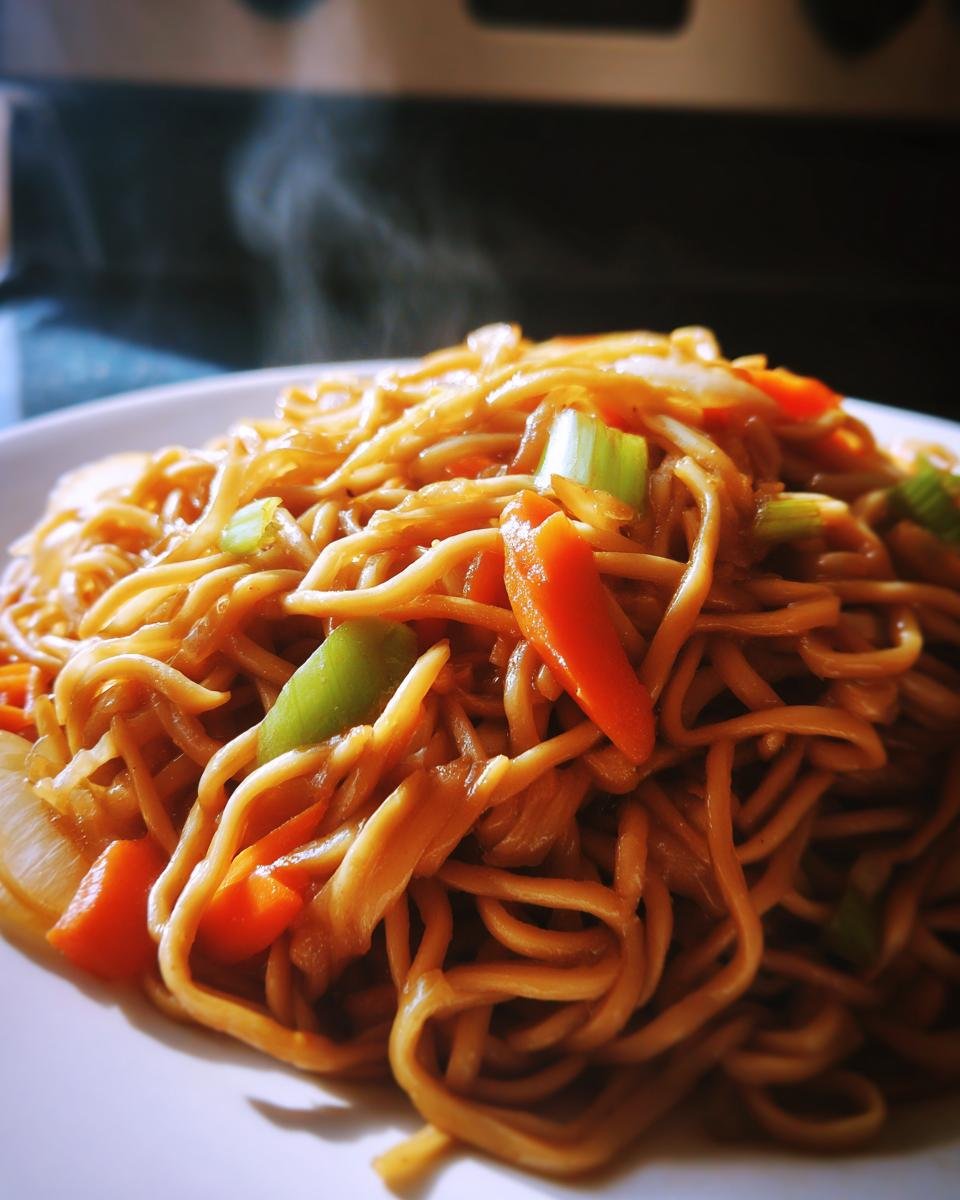
Once the vegetables have softened slightly, toss in those cooked, drained noodles. Now, quickly grab that sauce mixture you whisked together earlier and pour it right over the top. Start tossing everything together continuously and quickly. You’re aiming to coat every single noodle and vegetable strand evenly. This only takes about 2 to 3 minutes—don’t stand around admiring your work! Once the noodles look glazed and heated through, take the pan off the heat. Finally, toss in the lovely green tops of those green onions right at the very end. That keeps their color bright and their freshness sharp against the savory, hot noodles.
Expert Tips for Perfect Panda Express Chow Mein Texture
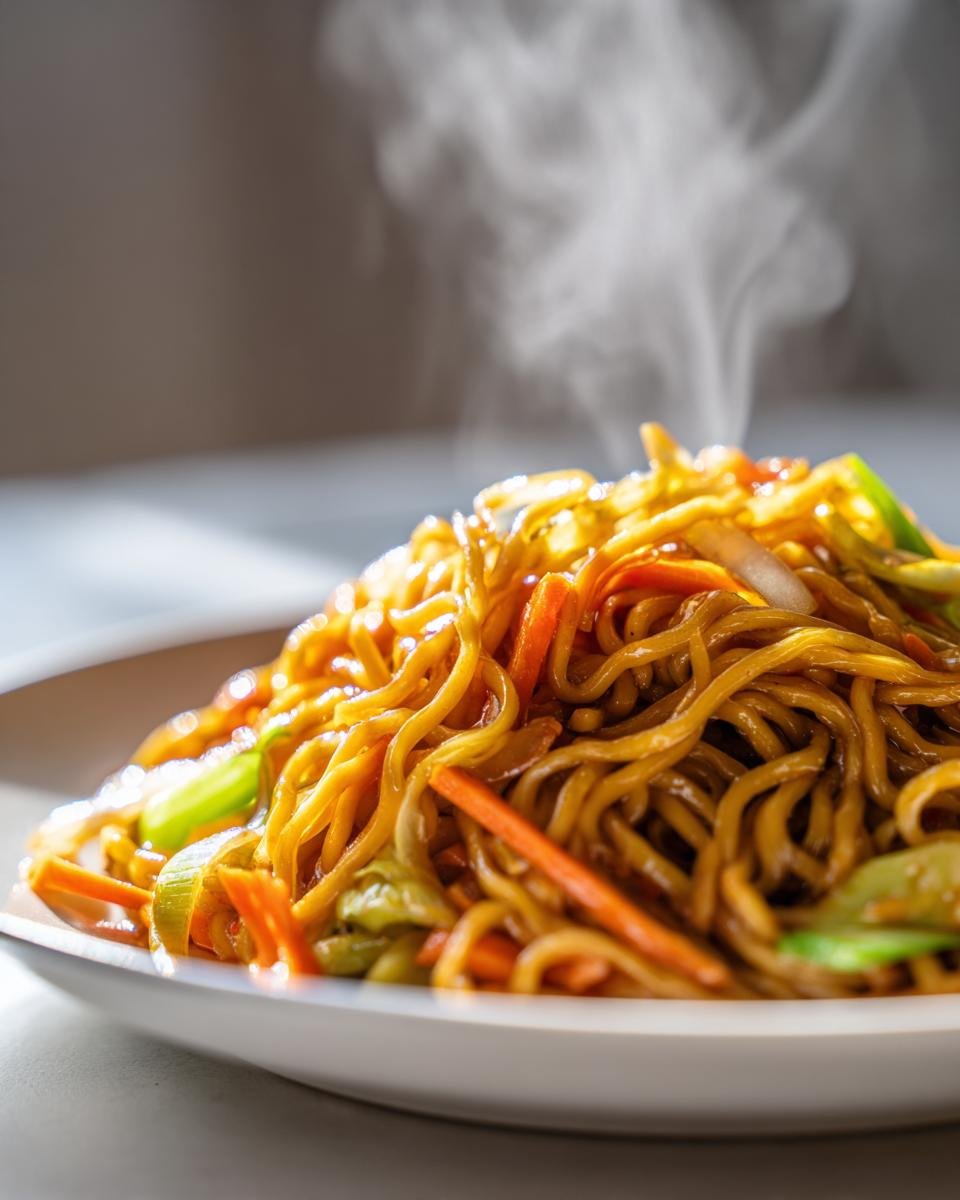
If you’ve ever tried making stir-fry and ended up with a bowl of soggy sadness, trust me, I’ve been there! The difference between amazing homemade chow mein and just… okay chow mein is all in the technique, especially concerning those noodles and veggies. I’ve made this copycat Panda Express Chow Mein so many times trying to get that authentic chew that I think I can practically do it with my eyes closed now. It’s all about managing moisture, which is the trickiest part of any good stir-fry.
Achieving the Right Noodle Consistency
This is my personal battlefield. If you can find fresh chow mein noodles at an Asian market, absolutely grab those. They have a built-in chewiness that dried packages just struggle to replicate. If you use fresh, you often only need to dunk them in hot water for a minute or two, not boil them like standard pasta! You can see my general thoughts on noodle handling—especially when making things like Lo Mein—over here, but the rule here is the same: do not overcook them in the water.
For dried noodles, make sure you drain them like your life depends on it! Seriously, give them a pass under cold water for just five seconds to stop the cooking process once they are al dente. You want the noodles to be cooked enough to eat, but still firm enough to stand up to being tossed around in that hot wok with oil and sauce without collapsing into a starchy mess.
Vegetable Softness Control in Your Panda Express Chow Mein
The veggies are key reporters in your kitchen. They tell you when the wok is hot enough, and they tell you when they are ready. Remember in the instructions, we stir-fried them for 3 to 4 minutes before adding the noodles? That time is vital for texture control.
If you or your family likes your carrots and celery slightly less crisp—maybe you prefer them fully tender—then just let them cook for that full 4 minutes, or even 5. But if you want that genuine crunch that snaps when you bite it, pull it back to 3 minutes max before introducing the noodles. The residual heat from the wok and the noodles will finish the cooking process gently. If you cook them too long upfront, they steam instead of stir-fry, and that’s when you lose all the necessary crunch in your final Panda Express Chow Mein.
Ingredient Substitutions for Panda Express Chow Mein
I get asked all the time if you *have* to use exactly what’s on my list. Listen, I love tradition, but I know sometimes you’re missing one tiny thing or maybe you have an allergy! The good news is that this recipe is pretty forgiving because it’s fundamentally a vegetable stir-fry on noodles. However, a couple of swaps can change the final flavor profile dramatically, so use them wisely!
Let’s talk quickly about the oyster sauce. That’s the backbone of the savory flavor, right? If you can’t find it or aren’t eating shellfish, the vegetarian stir-fry sauce I mentioned works wonderfully as a 1:1 substitute. It usually has mushrooms or soy that gives it that deep, fermented flavor we need. If you don’t have that either? You can use an extra teaspoon of soy sauce mixed with a tiny splash of balsamic vinegar. It won’t be 100% identical to the Panda Express Chow Mein taste, but it will still be delicious and savory!
What about oil? I strictly recommend vegetable oil, canola oil, or peanut oil because they have a high smoke point. You need a hot pan for stir-frying, and olive oil starts burning before the veggies even get happy. If all you have is avocado oil, that’s a great premium option that works well here. Just avoid butter or low-heat oils because they’ll smoke and taste burnt way too fast.
And finally, the noodles! I stressed using fresh if you can find them. If you are stuck with dried, don’t stress. The most important thing is to check the package. Some noodles are labeled specifically as instant ramen noodles—those have been fried already and behave differently. We want the standard dried chow mein egg noodles. If you accidentally grab the wrong kind, you need to reduce your cooking time in the water almost by half! Every time I move house, I inevitably forget one type of sauce or spice, so I always keep a little cheat sheet ready for substitutions!
Serving Suggestions for Your Homemade Panda Express Chow Mein
So, you’ve made this incredible, savory chow mein, and now you realize you need something to dip it in, or maybe you just need a main course to go with this superstar side dish! While this is fantastic all by itself, piled high in a brown paper bag for a quick lunch, it really shines when paired with some classic American Chinese staples. I always feel like I’ve unlocked a secret coupon code when I manage to bring all these flavors home on a weeknight.
I find that the Chow Mein handles the heavier, sauce-forward dishes perfectly because it’s built to absorb flavor. Since this version of Panda Express Chow Mein is vegetarian, it’s a great balancing act for saucy meat dishes. If you’re looking for a main course that hits all the right notes, you should definitely try my favorite sauce recipe for Easy Orange Chicken—that sweet, sticky glaze mixed with the savory noodles? Forget about it! It’s amazing.
Here are a few pairings that my family always puts together when we have a big spread:
- Beef and Broccoli: You need the tender slices of beef and the crisp snap of broccoli to break up the texture from the noodles. Make sure your broccoli is steamed or lightly blanched so it’s not stone-hard when it hits the table.
- Sweet and Sour Pork (or Tofu): The bright tang of the sweet and sour sauce is a wonderful contrast to the umami richness of the chow mein sauce. The crispy coating on the pork or tofu adds another layer of texture we all look for.
- Egg Rolls or Spring Rolls: Honestly, do you even have Chinese takeout without something crispy on the side? Homemade egg rolls are slightly more work, but totally worth the effort for dipping into leftover soy sauce or a little sweet chili sauce.
The key is balance! Since the Chow Mein is savory and medium-heavy on the palate, you want something either very crisp or very bright and acidic to lean against it. You really can’t go wrong, though—these noodles are so versatile!
Storage and Reheating Panda Express Chow Mein Leftovers
Here’s a moment of truth: the leftovers are sometimes even better the next day, right? That’s because the flavors of the soy and sesame oil continue to meld into those noodles overnight. But you have to store it correctly, or you’ll end up with a giant, hard block of sadness in the morning!
When you’re done serving, let the chow mein cool down slightly on the counter for about 20 minutes—don’t put piping hot food directly into the fridge, that’s bad for your fridge and bad for the noodles. Then, scoop everything into an airtight container. I prefer glass containers because I can see what I have, and they don’t stain like plastic does from all that soy sauce! It keeps perfectly fine in the fridge for three to four days. I’ve pushed it to five days once, but I wouldn’t recommend testing that limit!
Reheating to Keep That Stir-Fry Texture
Okay, this next part is crucial if you want to maintain the soul of your Panda Express Chow Mein. The microwave is fast, but it turns everything steamy, which defeats the entire purpose of stir-frying! It makes the noodles a little gummy, and the veggies get mushy.
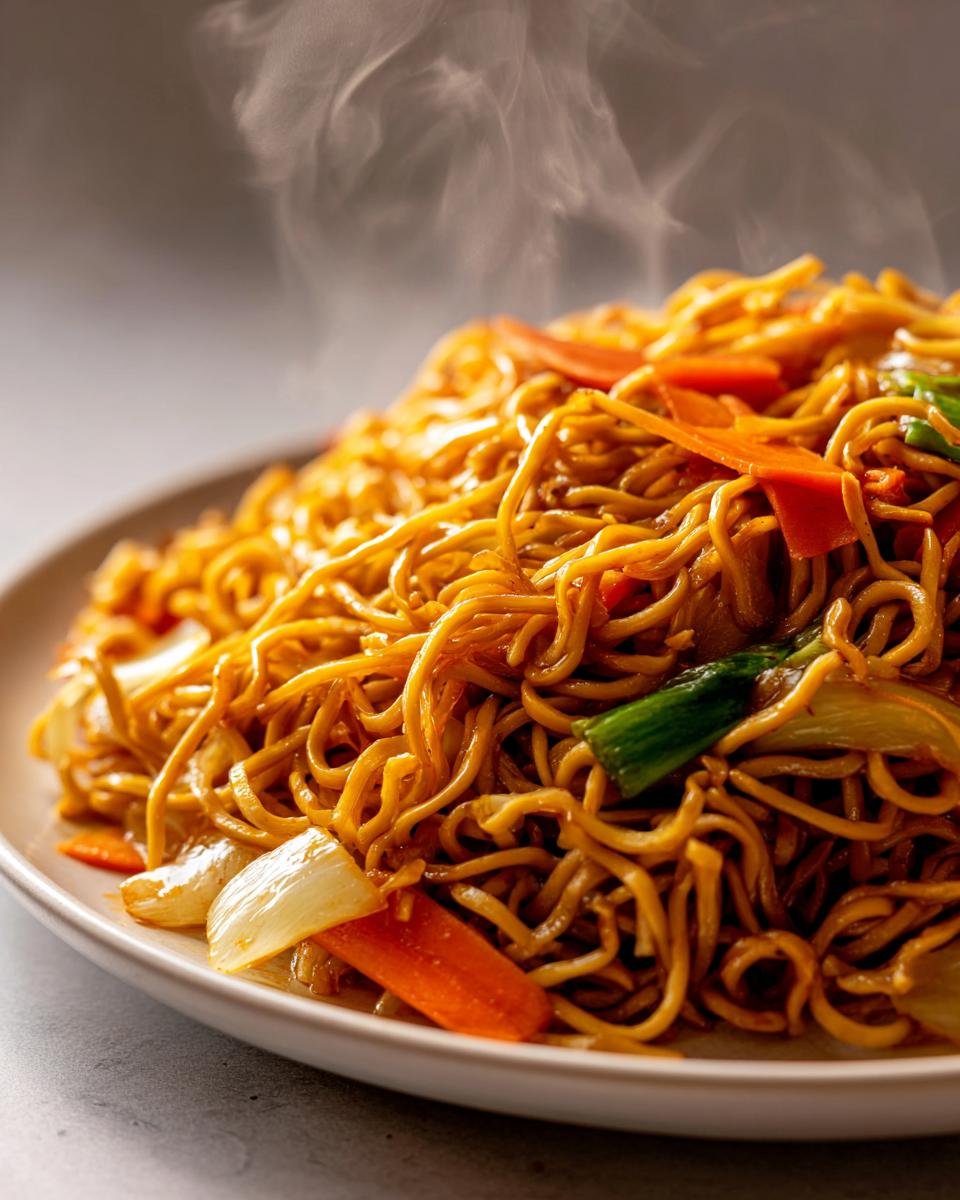
My absolute favorite way to reheat this is back where it belongs: the wok! Drizzle just a teaspoon of vegetable oil into your wok over medium heat. Once the oil is warm, toss the cold noodles in. Keep stirring them until they start loosening up and getting hot. If they look a little dry, add just one teaspoon of water or chicken broth while you toss them—this creates a tiny bit of steam only to rehydrate the noodles, not soak them.
If you are truly in a rush and *have* to use the microwave, don’t just blast it! Put the chow mein in a microwave-safe bowl and cover it loosely with a damp paper towel. This trapped moisture will help steam the noodles slightly without total submersion. Heat it in 30-second bursts, stirring well between each burst, until it’s just hot enough. It won’t be perfect, but it’ll stop you from going hungry!
Frequently Asked Questions About Panda Express Chow Mein
I know when I’m trying a new recipe, I always have a ton of little things floating around in my head that just need a quick answer. Stir-frying is one of those things—people get nervous about the heat and the speed! I tried to cover the main technique pointers above, but here are a few extra thoughts rolling around about making this fantastic noodle dish at home. If you’re interested in other quick, one-pan noodle ideas, check out how I make amazing fried noodles right here!
Can I add protein to this Panda Express Chow Mein recipe?
Oh, absolutely, you can! Since we are aiming for a total time of about 30 minutes, the trick when adding meat or shrimp is that it needs to be pre-cooked or cook very, very fast. I usually chop up leftover rotisserie chicken or quickly pan-fry some thin strips of chicken breast or shrimp in the wok *before* I start on the vegetables. Remove the protein, set it aside, and then add it back in during Step 3—right when you add the cooked noodles to the wok! This way, everything heats up together without the chicken drying out while you are patiently stir-frying the celery.
What is the best type of noodle to use for this chow mein?
Honestly, the absolute best noodle is whatever lets you nail the texture. If you can find those actual, soft, fresh chow mein noodles at your local Asian market, please use them! They cook quickly and have that perfect chew. However, if you’re relying on the dried stuff from the regular grocery aisle, that’s totally fine! The rule remains the same: cook them until they are barely tender and drain them until they feel slightly dry before they hit the wok. If they are soft coming out of the water, they will be pathetic mush in the final Panda Express Chow Mein. Aim for slightly underdone!
How can I make my Panda Express Chow Mein less salty?
That’s a totally fair question, especially because soy sauce is so dominant! The recipe calls for 2 tablespoons of soy sauce, which gives it that classic salty punch, but you have total control here. My number one suggestion is to try using a low-sodium brand of soy sauce. If you swap that in, you’ll get much of the flavor depth without all the sharp saltiness. Alternatively, you can just cut back to 1.5 tablespoons of regular soy sauce. Start with less, and keep a little extra soy sauce on the side in case you taste it and feel it needs that extra salty kick right at the very end! Better to under-salt and add than to over-salt and ruin the whole batch.
Nutritional Estimates for This Recipe
I always like to give a general idea of what you’re eating when you whip up something delicious like this at home! Keep in mind that these numbers are definitely estimates—they change based on what brand of noodles you buy and exactly how much oil soaks up during the stir-fry. This is just based on the recipe measurements for the chow mein itself, not including the orange chicken you might be serving alongside it, haha! Please use these numbers as a helpful guide rather than a strict guarantee.
- Serving Size: 1 serving
- Calories: 450
- Sugar: 6g
- Sodium: 750mg
- Fat: 12g
- Saturated Fat: 2g
- Unsaturated Fat: 10g
- Trans Fat: 0g
- Carbohydrates: 75g
- Fiber: 5g
- Protein: 15g
- Cholesterol: 0mg
Since we’re using vegetable oil and skipping meat or egg additions, the cholesterol comes in at zero, which is a win! Enjoy digging into this homemade classic!
Nutritional Estimates for This Recipe
I always like to give a general idea of what you’re eating when you whip up something delicious like this at home! Keep in mind that these numbers are definitely estimates—they change based on what brand of noodles you buy and exactly how much oil soaks up during the stir-fry. This is just based on the recipe measurements for the chow mein itself, not including the orange chicken you might be serving alongside it, haha! Please use these numbers as a helpful guide rather than a strict guarantee.
- Serving Size: 1 serving
- Calories: 450
- Sugar: 6g
- Sodium: 750mg
- Fat: 12g
- Saturated Fat: 2g
- Unsaturated Fat: 10g
- Trans Fat: 0g
- Carbohydrates: 75g
- Fiber: 5g
- Protein: 15g
- Cholesterol: 0mg
Since we’re using vegetable oil and skipping meat or egg additions, the cholesterol comes in at zero, which is a win! Enjoy digging into this homemade classic!
Print
Copycat Panda Express Chow Mein
- Total Time: 30 min
- Yield: 4 servings 1x
- Diet: Vegetarian
Description
A simple recipe for homemade chow mein noodles with vegetables, similar to the popular fast-food version.
Ingredients
- 1 pound dried chow mein noodles
- 2 tablespoons vegetable oil
- 1 cup shredded cabbage
- 1 cup sliced celery
- 1 cup sliced carrots
- 1/2 cup chopped yellow onion
- 1/4 cup sliced green onions, white and green parts separated
- 2 tablespoons soy sauce
- 1 tablespoon oyster sauce (or vegetarian stir-fry sauce)
- 1 teaspoon sesame oil
- 1/2 teaspoon white sugar
- 1/4 teaspoon ground white pepper
Instructions
- Cook the chow mein noodles according to package directions until tender but still firm. Drain well and set aside.
- Heat the vegetable oil in a large wok or skillet over medium-high heat.
- Add the cabbage, celery, carrots, onion, and the white parts of the green onions to the wok. Stir-fry for 3 to 4 minutes until the vegetables begin to soften.
- Add the cooked noodles to the wok.
- In a small bowl, whisk together the soy sauce, oyster sauce, sesame oil, sugar, and white pepper. Pour the sauce mixture over the noodles and vegetables.
- Toss everything together quickly and continuously for 2 to 3 minutes until the noodles are evenly coated and heated through.
- Stir in the green parts of the green onions just before serving.
Notes
- For a more authentic flavor, use fresh chow mein noodles if available.
- If you prefer softer vegetables, cook them for an extra minute before adding the noodles.
- Adjust soy sauce amount based on your preference for saltiness.
- Prep Time: 15 min
- Cook Time: 15 min
- Category: Main Dish
- Method: Stir-Frying
- Cuisine: American Chinese
Nutrition
- Serving Size: 1 serving
- Calories: 450
- Sugar: 6
- Sodium: 750
- Fat: 12
- Saturated Fat: 2
- Unsaturated Fat: 10
- Trans Fat: 0
- Carbohydrates: 75
- Fiber: 5
- Protein: 15
- Cholesterol: 0
Keywords: chow mein, panda express, chinese noodles, stir fry, vegetable noodles