
Oh my gosh, if your weeknights feel like a stressful sprint to the finish line, you absolutely need this recipe in your back pocket. Seriously, I used to be terrified of pork tenderloin because it dries out so fast! I thought it was destined for restaurant-only kitchens, but nope. This Balsamic Roasted Pork Tenderloin changed everything for me. It’s the perfect weeknight hero—gorgeous, sticky, sweet, and tangy, and you barely lift a finger.
What makes it gold? The glaze is minimal but mighty. It caramelizes beautifully in under 40 minutes total cook time. It took me about three disastrous tries to figure out the timing, but now I’ve got the foolproof method down pat. You’re going to look like you spent hours on dinner, but you only spent about 10 minutes prepping this amazing pork. Trust me, this will be on your rotation weekly!
Why This Balsamic Roasted Pork Tenderloin Recipe Works So Well
Honestly, the reason this recipe is always successful is that it respects the pork tenderloin! A lot of recipes involve marinades that sit too long or high heat that burns the outside before the inside is done. Not here! We use high heat for caramelization but follow a strict two-step glazing process. If you’re looking for other easy pork ideas, check out my tips for the Instant Pot Garlic Pork Tenderloin recipe, too!
Here’s the rundown on why this method beats all the others:
- The balsamic and brown sugar create this incredible, slightly tart crust that locks in all the good juices right away.
- We use a meat thermometer, which is the *only* way to guarantee success with leaner cuts like this. No more guessing games!
Quick Prep Time for Easy Weeknight Balsamic Roasted Pork Tenderloin
If you have 10 minutes, you have time for this dinner. That’s not an exaggeration! You just whisk together the sticky glaze while you wipe down the counter and pat the meat dry. It’s the fastest flavor delivery system I know for a main course.
Perfectly Tender Results Every Time
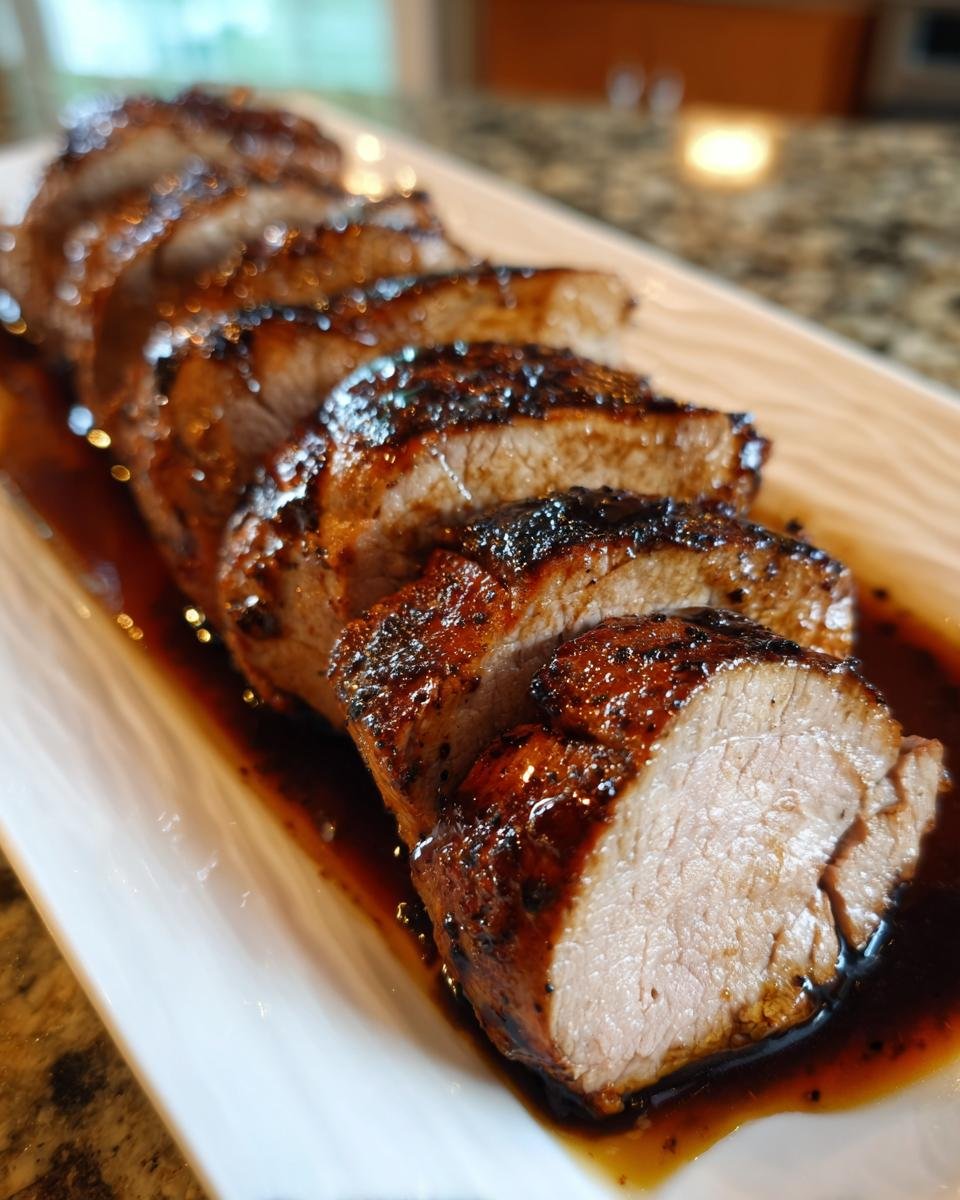
The secret handshake to tender pork is pulling it off the heat right at 145 degrees Fahrenheit. You have to trust the thermometer! Then, the crucial resting period—don’t skip it! Tent that baby loosely with foil for about 5 to 10 minutes. This lets all those wonderful juices redistribute back into the fibers, which is exactly what makes your Balsamic Roasted Pork Tenderloin so juicy when you slice into it.
Gather Your Ingredients for Balsamic Roasted Pork Tenderloin
When you’re making something amazing like a sticky, tangy pork dinner, the quality of what you start with really matters. Don’t go grabbing ingredients willy-nilly! We need precision here so that glaze comes out perfect and doesn’t burn before the pork is cooked through. If you mess up the ratios, you might as well be grilling the pork, which you can learn about here: Juicy Grilled Pork Tenderloin.
Pork and Oil Requirements
First up, grab 1 pork tenderloin—it should weigh about 1 to 1.5 pounds. Make sure you pat that baby bone-dry with paper towels. Seriously, dry surface equals better sear and better glaze adhesion! Then, have 2 tablespoons of olive oil ready to coat it.
The Flavorful Balsamic Glaze Components
For that beautiful coating, you need exactly 1/4 cup of balsamic vinegar. Then, whisk in 2 tablespoons of brown sugar, which gives it that deep color, 1 tablespoon of Dijon mustard—don’t skip the Dijon, it adds necessary body—and finally, 2 cloves garlic, which must be minced very finely.
Essential Equipment for Your Balsamic Roasted Pork Tenderloin
Now, this recipe is fantastic because it doesn’t require any fancy gadgets. I’m all about making great food with what you already have lying around the kitchen! For this Balsamic Roasted Pork Tenderloin, you need four main things lined up before you even start whisking.
First and foremost, you need your oven ready to go at 400 degrees Fahrenheit. You can’t roast pork successfully without high, steady heat! Next, you need a place to put that lovely pork while it cooks. I usually grab my cast-iron skillet because it goes straight from the stovetop (if I were searing first—though we aren’t here!) right into the oven, but any sturdy roasting pan or oven-safe skillet works just fine.
You’ll also need a small bowl—and I mean small—for mixing that amazing glaze. You don’t want to waste any of that precious balsamic mixture by trying to mix it in a huge salad bowl! Lastly, when the pork is done and resting, make sure you have some aluminum foil handy. We have to tent it loosely to trap that steam and keep every slice of your Balsamic Roasted Pork Tenderloin perfectly moist.
Step-by-Step Instructions for Balsamic Roasted Pork Tenderloin
Okay, buckle up! Now that you have your ingredients ready, we move fast because that shiny glaze is eager to cook! We’re aiming for maximum flavor in minimal time. If you are new to roasting pork, don’t panic. Just follow these steps exactly, and you’ll nail this recipe. When you line up your ingredients on the counter, it makes the whole process flow like butter. For more general roasting wisdom, check out my guide on pork roast magic!
Preparing the Oven and Glaze
First things first: Crank that oven up! We need it screaming hot—preheat to 400 degrees Fahrenheit, or 200 degrees Celsius if you’re using Celsius. While that heater is working hard, grab your small bowl. Whisk together every single glaze component: the balsamic vinegar, brown sugar, Dijon mustard, and that minced garlic.
Once it’s totally smooth and looks glossy, just set that bowl aside. We aren’t using it all at once, so don’t worry about it thickening up while you prep the meat!
Seasoning and Initial Roast of the Balsamic Roasted Pork Tenderloin
Take your pork tenderloin and pat it down firmly with paper towels. I mean it, get it completely dry! Then, rub that surface all over with 2 tablespoons of olive oil, and season generously with salt and pepper. Place that seasoned beauty into your roasting pan.
Now, grab your glaze mixture. Brush about half of that balsamic goodness over the top and sides of the pork. Pop it into that hot oven and don’t peek for 20 full minutes! My biggest warning here: Make sure your roasting pan isn’t packed full of other vegetables, or the steam will ruin your lovely glaze. Give that pork some breathing room!
Finishing the Balsamic Roasted Pork Tenderloin and Resting
After 20 minutes, pull the pan out—careful, it’s hot! Brush on the remaining balsamic mixture evenly over the pork. Back into the oven it goes for another 10 to 15 minutes. The goal is an internal temperature of exactly 145 degrees Fahrenheit. Pull it out as soon as you hit that number!
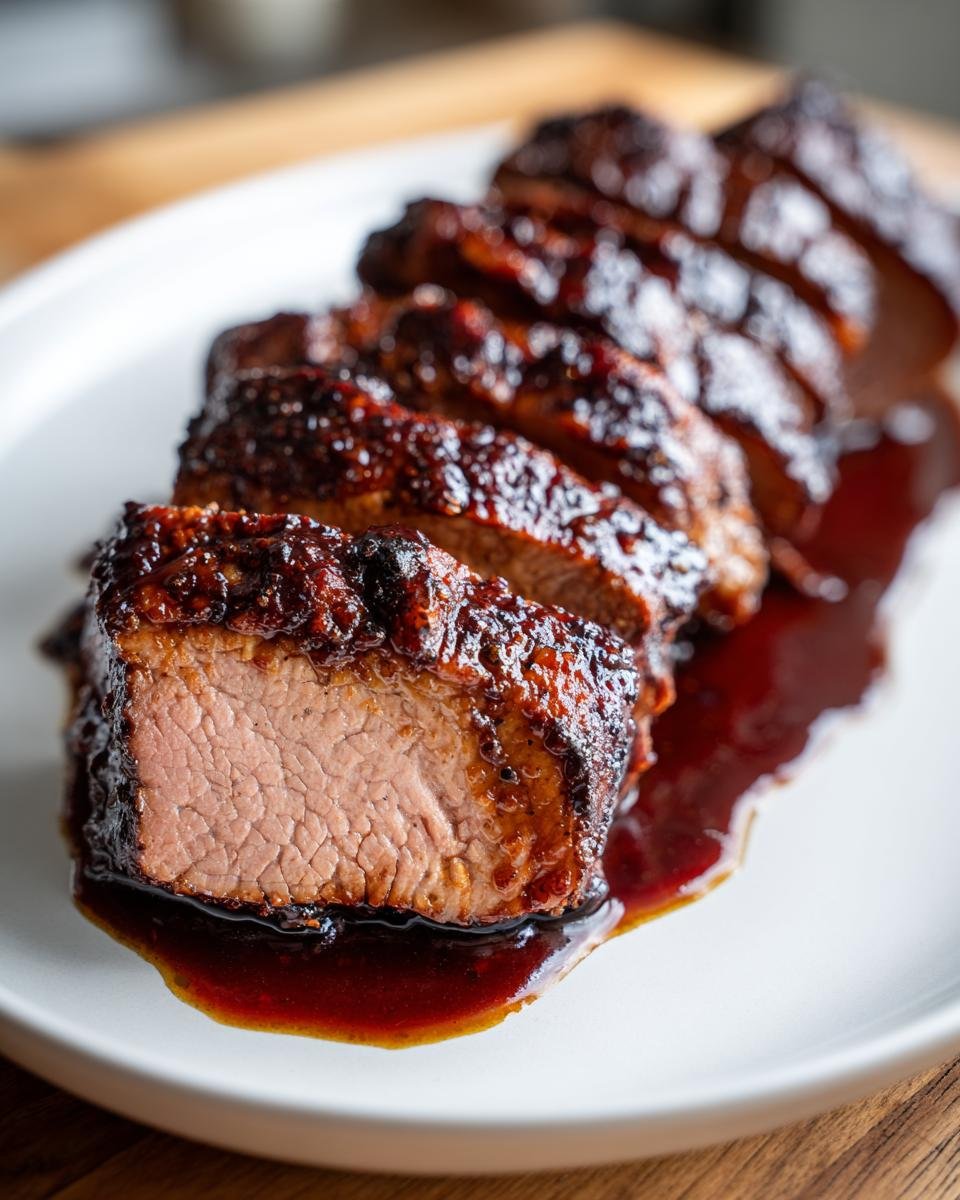
This last step is non-negotiable: tent the pork loosely with foil. Let it rest on the counter for at least 5 minutes, but 10 is even better. Resting lets the juices settle back in. Slice it up after resting, and you’ve got the best darn Balsamic Roasted Pork Tenderloin you’ve ever made!

Ingredient Notes and Smart Substitutions for Balsamic Roasted Pork Tenderloin
One of the best parts about having a staple recipe like this is knowing you can tweak it without ruining the entire dish. This glaze is super flexible! Grandma always said if you don’t have exactly what the recipe calls for, use what you have that serves the same purpose. Don’t panic if you’re missing one thing; we can swap it out!
The recipe notes mentioned that you can absolutely use honey instead of the brown sugar for the glaze. Let me tell you, honey makes this even stickier and gives it a slightly lighter, almost floral sweetness that pairs beautifully with the tart balsamic. If you try that, just keep an eye on the cooking time, as honey can sometimes brown a little faster than sugar.
Here’s my favorite expert little trick: If you don’t have Dijon mustard on hand, don’t grab yellow mustard, please! Instead, use 1 teaspoon of apple cider vinegar mixed with about 1/2 teaspoon of dried ground mustard seed. It gives you that essential acidic kick needed to balance the sweetness of the glaze without changing the flavor profile too much. It really helps keep that beautiful glaze from tasting one-note!
Also, if the glaze thickens up too much while the pork is resting, the recipe correctly suggests a tiny bit of water to thin it out before spooning it over the final slices. Sometimes I like to use a teaspoon of hot water mixed with a tiny pinch of dried rosemary for an extra savory layer underneath the sweetness.
Serving Suggestions for Your Balsamic Roasted Pork Tenderloin Dinner
Okay, you’ve made this show-stopping Balsamic Roasted Pork Tenderloin—the kitchen smells divine—but what goes next to it on the plate? You can’t just serve perfectly glazed pork on its own, can you? Nope! You need sides that can stand up to that bold, tangy glaze without getting lost.
Because the pork is already a little sweet and acidic, I always look for sides that bring in earthiness or a sharp, fresh contrast. Think about texture, too! You want something soft or roasted to play nicely against the slight chewiness of that outer caramelized crust we worked so hard to achieve.
My absolute go-to recommendation for something green is roasted asparagus. The lemon and garlic just cut right through the richness of the pork beautifully. Honestly, I cook it exactly like this recipe suggests—you can find my favorite method for Flavorful Roasted Asparagus with Lemon Garlic Butter—it’s quick enough that it finishes right when your pork is done resting!
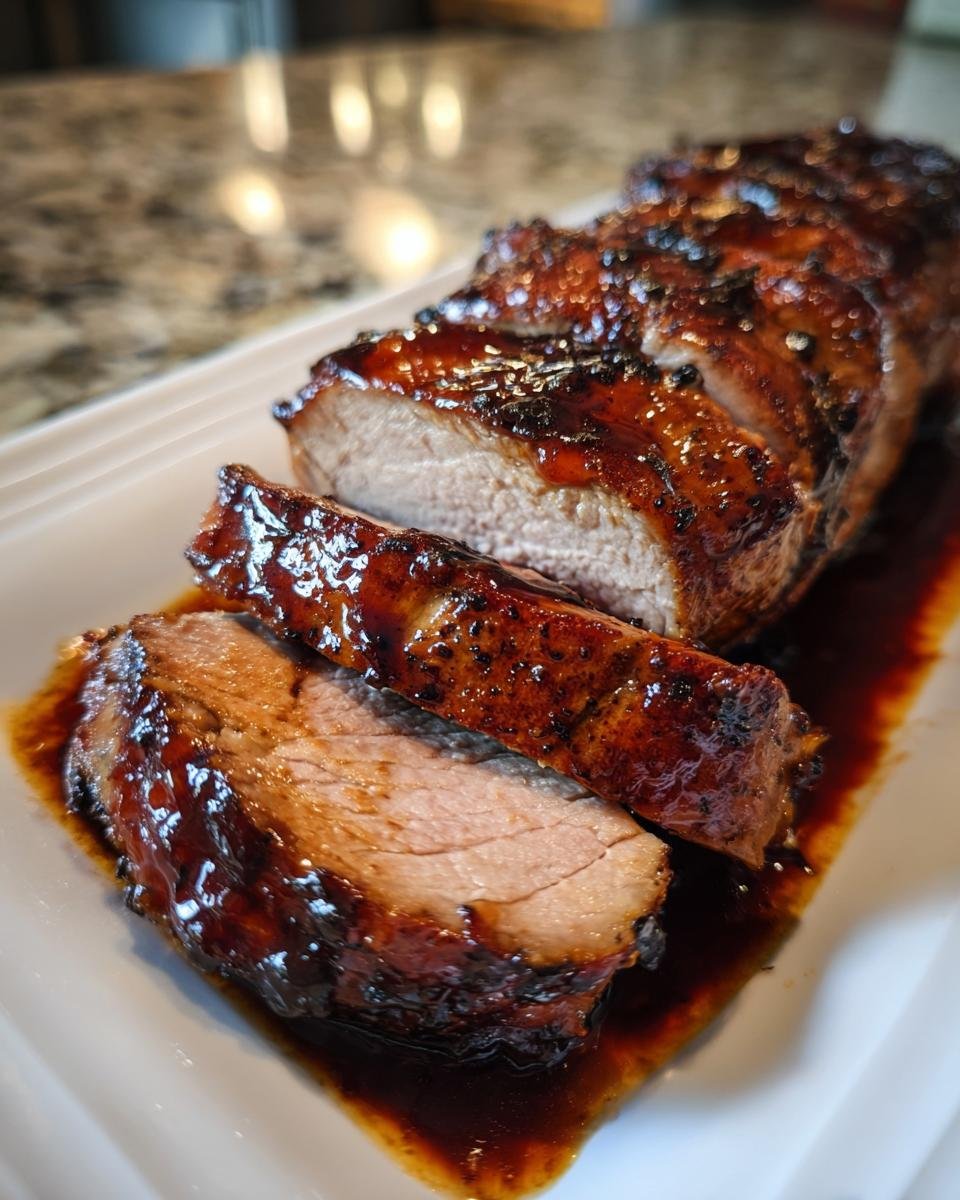
If you want something heartier that soaks up any little drips of extra glaze you might have on your plate, you have to go with root vegetables. Roast some small chunks of sweet potatoes, carrots, and parsnips together with a little bit of thyme and olive oil. They caramelize naturally in the oven alongside the pork, and their subtle sweetness mirrors the brown sugar in the glaze perfectly. It’s just heavenly!
For a lighter touch, especially during the summer, skip the roasting pan entirely for your side dish. A simple, crisp arugula salad dressed lightly with olive oil, fresh lemon juice, and maybe a sprinkle of shaved parmesan works wonders. The peppery bite of the arugula is the perfect palate cleanser after a rich bite of pork. It just balances the whole meal out, making it feel fancy but keeping the prep super easy!
Storing and Reheating Leftover Balsamic Roasted Pork Tenderloin
Oh, the glorious problem of leftovers! I always hope there will be some of this delicious Balsamic Roasted Pork Tenderloin left over because it’s actually incredible the next day, but you have to treat it right. You cannot just throw the whole hunk of meat back in the microwave and hope for the best—that’s how you get dry, sad pork!
The absolute best practice is to slice the meat immediately after you portion out what you plan to eat hot. Why slice it first? Because the whole roast holds onto moisture better than sliced pieces do once they are refrigerated. Once you have your slices, pack them into an airtight container. You can keep this pork in the fridge for three, maybe four days, tops. It stays tasty, but that balsamic glaze starts to dry out a little after that timeline.
The Gentle Art of Reheating Pork Slices
When you are ready to reheat, remember: Low and slow is the magic motto! High heat is the enemy of leftover pork tenderloin because it attacks the remaining moisture head-on. I have two favorite methods, depending on how much time I give myself.
If you have an oven, this is my preferred way. Set your oven to a super low temperature—we’re talking 275 degrees Fahrenheit, maybe 300 if you’re impatient. Place the slices in a shallow baking dish. Now, here’s the trick: Pour just a tablespoon or two of liquid into the bottom of the dish *before* you cover it tightly with foil. You can use water, but honestly, grabbing a splash of chicken broth or even a little extra balsamic vinegar makes the reheat heavenly! The foil traps the steam, and the liquid essentially steams the pork gently back to life.
Quick Microwave Fix
If you are just reheating a single serving and you’re totally starving, the microwave works, but you need the same moisture trick. Place your slices on a microwave-safe plate. Add just a few drops of water or broth near the pork (not directly on it). Cover the plate loosely with a damp paper towel. This creates a little steam environment inside the microwave. Pulse it in 20-second bursts until it feels warm all the way through. It won’t get that fresh-out-of-the-oven caramelization back, but it will absolutely stay tender and tasty enough for an easy workday lunch!
Frequently Asked Questions About Balsamic Roasted Pork Tenderloin
It’s totally normal to have questions when trying a new main dish for the first time! I know I did when I first started cooking pork tenderloin, especially with a sticky glaze involved. These common worries pop up all the time, and I’m happy to clear them up so you can just focus on enjoying your amazing dinner. If you’re also interested in using other methods for cooking this cut, I have some great tips in my Air Fryer Pork Tenderloin Secret for Juicy Results article.
How do I prevent my Balsamic Roasted Pork Tenderloin from drying out?
This is the number one question, and thankfully, the answer is simple: thermometer and resting! You absolutely must use an instant-read meat thermometer. Pull the pork out of the oven the *second* it hits 145 degrees Fahrenheit internally. Don’t cook it even one degree past that, or you’ll start losing moisture fast. Then, tent it loosely with foil like I detailed in the instructions and let it rest for at least five minutes. That resting period allows the juices, which get pushed to the center while cooking, to redistribute throughout the entire tenderloin. That’s how you keep it tender!
Can I cook this pork tenderloin on the grill instead?
Yes, you absolutely can! Grilling is a fantastic option, but you need to adjust when you apply that beautiful balsamic glaze. Since the grill runs hotter and the glaze has more sugar than standard BBQ sauce, you risk burning that beautiful coating before the inside is cooked. I recommend getting the pork mostly cooked over indirect heat first (or through a low-and-slow start on the cool side of the grill). Then, right in the last 5 to 7 minutes of cooking, brush on that glaze—maybe brushing it on twice during that final stretch—and crank the heat slightly to caramelize it just before you pull it off at 145°F.
What temperature should the pork be when I remove it from the oven?
You need to pull the pork out of the oven when your thermometer reads exactly 145 degrees Fahrenheit. Remember that carryover cooking? It’s real! Even once you take the Balsamic Roasted Pork Tenderloin out and tent it with foil, that internal temperature is going to climb a couple of degrees while it rests—usually climbing to 148°F once it’s fully set. If you wait until it hits 149°F in the oven, you’ll end up with tough pork after resting. Trust the process; 145°F out, 148°F on the plate!
Share Your Balsamic Roasted Pork Tenderloin Experience
I truly hope you give this sticky, delicious pork a try on your next busy night!
When you do, I absolutely want to hear all about it. Did you leave it resting for the full ten minutes? Did you swap the brown sugar for honey? Did it disappear instantly at your dinner table?
Don’t be shy! Head down to the comments section below and leave a star rating for this Balsamic Roasted Pork Tenderloin recipe. Seriously, those little ratings help other cooks so much when they are deciding what to make for dinner.
If you made this and snapped a great picture of that gorgeous, bubbly glaze, please tag me on social media! I love seeing your successes in the kitchen. If you have any super specific questions that I didn’t cover above, you can always reach out to me directly through my contact page. Happy cooking, friends!
Print
Balsamic Roasted Pork Tenderloin
- Total Time: 45 min
- Yield: 3 servings 1x
- Diet: Low Fat
Description
A simple recipe for pork tenderloin roasted with a balsamic glaze.
Ingredients
- 1 pork tenderloin (about 1 to 1.5 pounds)
- 2 tablespoons olive oil
- 1/4 cup balsamic vinegar
- 2 tablespoons brown sugar
- 1 tablespoon Dijon mustard
- 2 cloves garlic, minced
- 1/2 teaspoon salt
- 1/4 teaspoon black pepper
Instructions
- Preheat your oven to 400 degrees Fahrenheit (200 degrees Celsius).
- In a small bowl, whisk together the balsamic vinegar, brown sugar, Dijon mustard, and minced garlic. Set aside.
- Pat the pork tenderloin dry with paper towels. Rub the entire surface with olive oil, salt, and pepper.
- Place the pork tenderloin in a roasting pan or oven-safe skillet.
- Brush half of the balsamic mixture over the top and sides of the pork.
- Roast for 20 minutes.
- Remove the pork from the oven and brush with the remaining balsamic mixture.
- Return to the oven and roast for another 10 to 15 minutes, or until an internal temperature of 145 degrees Fahrenheit is reached.
- Remove the pork from the oven, tent loosely with foil, and let it rest for 5 to 10 minutes before slicing.
Notes
- You can use honey instead of brown sugar for the glaze.
- If the glaze thickens too much while resting, add a teaspoon of water to thin it slightly before serving.
- Prep Time: 10 min
- Cook Time: 35 min
- Category: Main Course
- Method: Roasting
- Cuisine: American
Nutrition
- Serving Size: 4 ounces cooked meat
- Calories: 280
- Sugar: 10
- Sodium: 350
- Fat: 12
- Saturated Fat: 4
- Unsaturated Fat: 8
- Trans Fat: 0
- Carbohydrates: 12
- Fiber: 0
- Protein: 30
- Cholesterol: 85
Keywords: pork tenderloin, balsamic, roasted pork, easy dinner, main dish